



Experiencing a sharp pain in breast can be alarming and uncomfortable. Many people quickly fear serious health problems.
But breast pain can have many causes.
These include hormone changes, muscle strain, or other medical conditions. Understanding the exact reason behind breast pain helps identify whether the condition is temporary or requires medical attention.
In this comprehensive guide, we explain the common causes of sharp breast pain, associated symptoms, risk factors, diagnosis methods, treatment options, and prevention strategies.
What Is Sharp Pain in Breast?
Sharp breast pain refers to a sudden, stabbing, burning, or shooting sensation felt in one or both breasts. The pain may occur intermittently or continuously and can vary in intensity from mild discomfort to severe pain that interferes with daily activities.
Breast pain is medically known as mastalgia and is generally classified into two main types:
- Cyclic breast pain
- Non-cyclic breast pain
Understanding these categories helps determine the underlying cause and proper treatment.
Types of Sharp Breast Pain
Cyclic Breast Pain
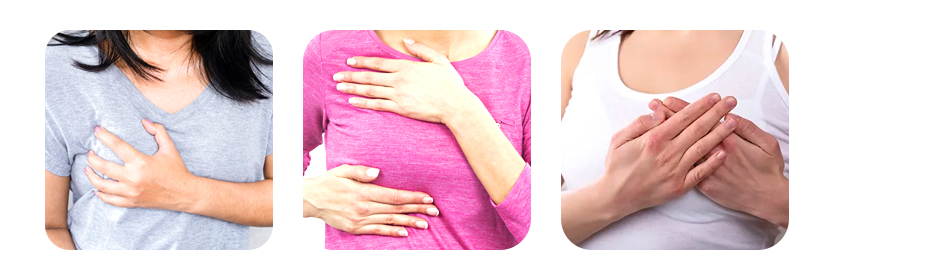
Cyclic breast pain is associated with hormonal changes during the menstrual cycle. It usually affects both breasts and becomes more noticeable before menstruation.
Common Features:
- Pain occurs monthly
- Breast tenderness and swelling
- Heaviness in breasts
- Pain radiates to underarms
This type is most common in women aged 20 to 40.
Non-Cyclic Breast Pain
Non-cyclic pain is unrelated to menstrual cycles and may affect only one breast.
Characteristics Include:
- Sharp or burning pain
- Localized discomfort
- Persistent or irregular pain
- May be linked to injury or infection

This type is more common in women after menopause.
Common Causes of Sharp Pain in Breast
Hormonal Changes
Hormonal fluctuations are one of the leading causes of breast pain. Changes in estrogen and progesterone levels during menstruation, pregnancy, or menopause can trigger discomfort and sharp sensations in the breast tissue.
Hormonal Triggers:
- Menstrual cycle
- Pregnancy
- Breastfeeding
- Menopause
- Hormonal medications

Breast Cysts
Breast cysts are fluid-filled sacs that can develop within breast tissue. Large cysts may create pressure, resulting in sharp or stabbing pain.
Symptoms of Breast Cysts:
- Smooth lump in breast
- Tenderness
- Swelling
- Pain before periods

Most cysts are non-cancerous but should still be evaluated by a healthcare provider.
Fibrocystic Breast Changes
Fibrocystic changes cause lumpy or rope-like breast tissue. This condition commonly leads to breast tenderness and pain.
Common Symptoms:
- Breast lumps
- Sharp breast pain
- Swelling
- Increased pain during menstruation

Muscle Strain
Sometimes the pain felt in the breast actually originates from chest muscles.
Causes of Muscle Strain:
- Heavy lifting
- Intense exercise
- Poor posture
- Sudden movements

Muscle-related pain often worsens with movement and may feel sharp or pulling.
Breast Infection (Mastitis)
Mastitis commonly affects breastfeeding women but can occur in others as well.
Symptoms Include:
- Sharp breast pain
- Redness
- Swelling
- Fever
- Warmth in affected area

Immediate treatment is necessary to prevent complications.
Injury or Trauma
An injury to the chest or breast tissue can cause lingering sharp pain.
Possible Causes:
- Sports injury
- Accidents
- Surgery
- Bruising

Pain may persist until the tissue fully heals.
Costochondritis
Costochondritis is inflammation of the cartilage connecting ribs to the breastbone.
Symptoms:
- Sharp chest and breast pain
- Pain worsens with breathing
- Tenderness near ribs

This condition can mimic breast pain and often causes confusion.
Acid Reflux and Digestive Issues
Digestive conditions can sometimes create pain that radiates toward the chest and breast area.
Related Conditions:
- Acid reflux
- Gastritis
- Indigestion

The discomfort may feel sharp and occur after meals.
Breast Abscess
A breast abscess is a pocket of pus caused by infection.
Symptoms:
- Severe breast pain
- Swelling
- Fever
- Red lump
This condition requires urgent medical treatment.
Breast Cancer
Although breast pain is not usually the first symptom of breast cancer, persistent pain should never be ignored.
Warning Signs:
- Lump in breast
- Skin dimpling
- Nipple discharge
- Changes in breast shape
- Persistent localized pain

Early detection significantly improves treatment outcomes.
Symptoms Associated With Sharp Breast Pain
Sharp pain in the breast may occur alongside other symptoms depending on the underlying cause.
Common Associated Symptoms
- Breast tenderness
- Swelling
- Burning sensation
- Lump formation
- Redness
- Warmth
- Nipple discharge
- Chest tightness

Tracking additional symptoms helps healthcare professionals identify the exact condition.
When to See a Doctor
Medical evaluation becomes important if breast pain is persistent or accompanied by concerning symptoms.
Seek Medical Attention If You Experience:
- Pain lasting more than two weeks
- Severe or worsening pain
- Lump in the breast
- Fever and redness
- Bloody nipple discharge
- Skin changes on breast
- Pain affecting daily life
Early diagnosis helps prevent complications and ensures timely treatment.
Diagnosis of Sharp Pain in Breast
Healthcare providers use several diagnostic methods to identify the cause of breast pain.
Clinical Breast Examination
A doctor examines the breasts for:
- Lumps
- Tenderness
- Swelling
- Skin changes
Mammogram
A mammogram uses low-dose X-rays to detect abnormalities in breast tissue.
Recommended For:
- Women above 40
- Individuals with suspicious lumps
- Persistent pain

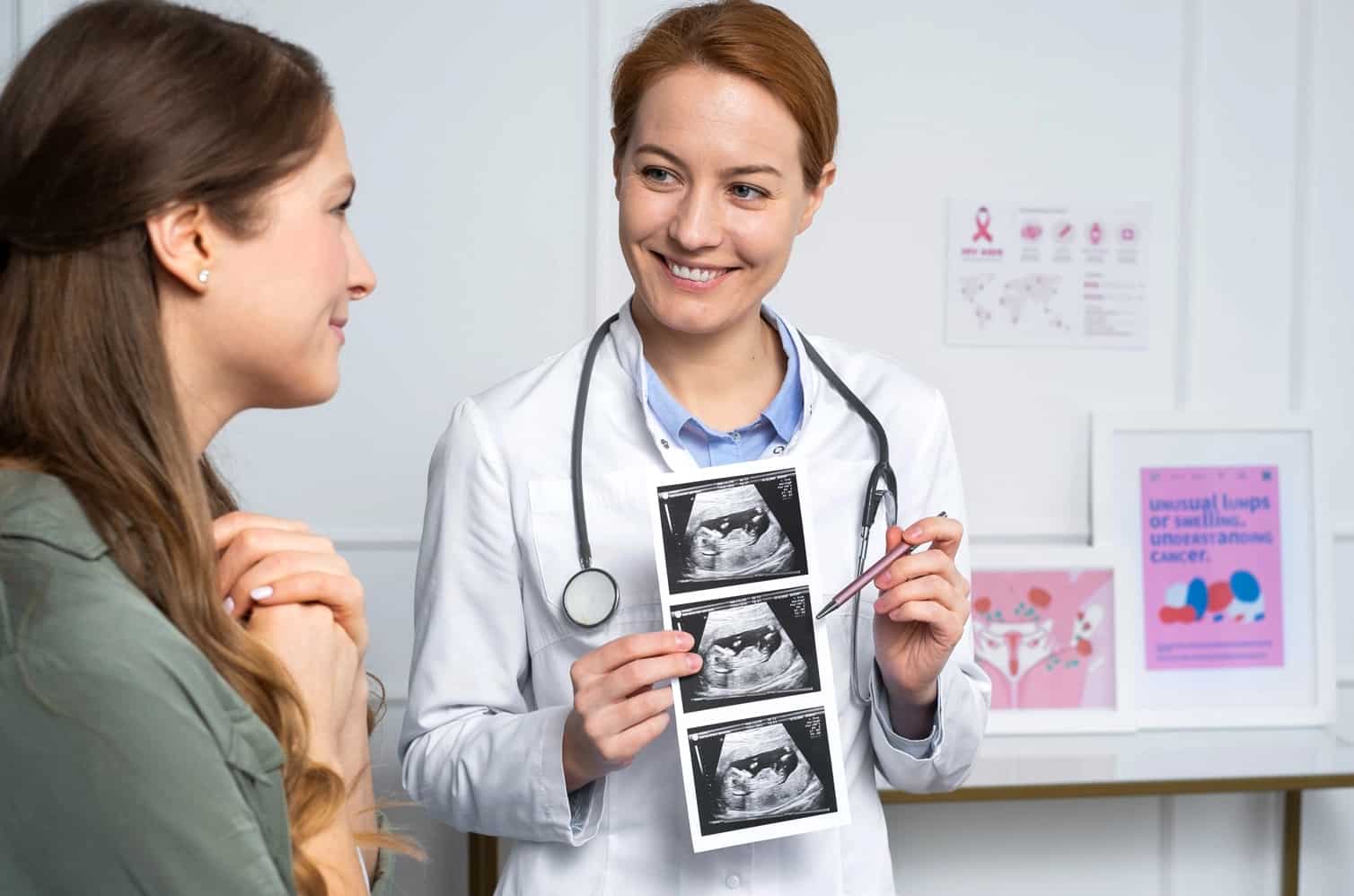
Breast Ultrasound
Ultrasound helps evaluate:
- Cysts
- Solid masses
- Infections
It is especially useful for younger individuals with dense breast tissue.
MRI Scan
MRI provides detailed images of breast structures and may be recommended in complex cases.
Biopsy
If abnormal tissue is detected, a biopsy may be performed to rule out cancer.
Treatment Options for Sharp Pain in Breast
Treatment depends entirely on the underlying cause of the pain.
Pain Relief Medications
Over-the-counter medications can help reduce discomfort.
Common Options:
- Ibuprofen
- Acetaminophen
- Anti-inflammatory drugs

Always follow medical advice before long-term use.
Hormonal Therapy
Hormonal imbalance-related pain may improve with:
- Birth control adjustments
- Hormone therapy
- Menopause management
Antibiotics
Breast infections and abscesses often require antibiotic treatment.
Warm or Cold Compress
Applying compresses can reduce swelling and soothe pain.
Benefits:
- Improves circulation
- Reduces inflammation
- Relieves discomfort
Supportive Bras
Wearing a properly fitted bra helps minimize breast movement and pain.
Ideal Features:
- Good support
- Comfortable fit
- Soft fabric
Dietary Changes
Reducing certain foods may help decrease breast pain.
Helpful Dietary Tips:
- Reduce caffeine
- Limit high-fat foods
- Stay hydrated
- Eat anti-inflammatory foods
Stress Management
Stress can worsen hormonal changes and muscle tension.
Effective Stress Reduction Techniques:
- Yoga
- Meditation
- Deep breathing
- Regular exercise

Surgical Treatment
In rare cases, surgery may be required for:
- Large cysts
- Abscess drainage
- Tumor removal

Home Remedies for Sharp Breast Pain
Several natural remedies may provide temporary relief.
Effective Home Care Tips
- Apply warm compresses
- Wear supportive bras
- Reduce caffeine intake
- Massage gently
- Maintain healthy weight
- Get adequate sleep
These measures may help reduce discomfort and improve breast health.
How to Prevent Sharp Pain in Breast
While not all breast pain can be prevented, healthy lifestyle habits may reduce the risk.
Prevention Tips
- Perform regular breast self-exams
- Maintain healthy body weight
- Exercise regularly
- Avoid smoking
- Limit alcohol consumption
- Manage stress effectively
- Attend regular health screenings
Early monitoring helps detect unusual changes quickly.
Sharp Pain in Left Breast vs Right Breast
Left Breast Pain
Pain in the left breast may sometimes be associated with:
- Heart-related conditions
- Muscle strain
- Breast cysts
Severe chest pain with shortness of breath requires immediate medical care.
Right Breast Pain
Right breast pain often results from:
- Muscle strain
- Hormonal changes
- Localized infections
Both sides should be medically evaluated if pain persists.
Breast Pain During Pregnancy
Pregnancy causes major hormonal changes that increase breast sensitivity.
Common Pregnancy Breast Symptoms
- Tingling
- Sharp pain
- Swelling
- Increased tenderness
These symptoms are usually temporary and improve after hormonal stabilization.
Can Men Experience Sharp Breast Pain?
Yes, men can also experience breast pain.
Possible Causes in Men
- Hormonal imbalance
- Gynecomastia
- Muscle strain
- Infection
- Rare cases of breast cancer
Persistent symptoms should always be examined by a doctor.
Conclusion
Sharp pain in the breast can occur due to numerous reasons, ranging from hormonal fluctuations and muscle strain to infections and more serious conditions. While many causes are harmless, persistent or severe breast pain should never be ignored. Proper diagnosis, timely treatment, and healthy lifestyle habits play a vital role in maintaining breast health and preventing complications.
Understanding your symptoms, monitoring changes, and seeking medical care when necessary can help ensure early detection and effective treatment of any underlying condition.
Frequently Asked Questions About Sharp Pain in Breast
1. Is Sharp Breast Pain Normal?
Occasional mild pain can be normal, especially during hormonal changes. Persistent or severe pain requires evaluation.
2. Can Stress Cause Breast Pain?
Yes, stress may contribute to hormonal fluctuations and muscle tension that worsen breast discomfort.
3. Does Breast Pain Mean Cancer?
Most breast pain is non-cancerous. However, persistent pain with lumps or skin changes should be checked immediately.
4. How Long Does Breast Pain Last?
The duration depends on the cause. Hormonal pain may last a few days, while infections or injuries may take longer to heal.