








A burning sensation in urine is one of the most common urinary symptoms experienced by people of all ages. This uncomfortable feeling can range from mild irritation to severe pain during or after urination. It often signals an underlying issue within the urinary tract, bladder, kidneys, or reproductive system. Identifying the cause early and taking the right treatment measures can help prevent complications and improve overall urinary health.
In this comprehensive guide, we explore the causes, symptoms, diagnosis, treatments, prevention methods, and home remedies for burning urination.
What Is a Burning Sensation in Urine?
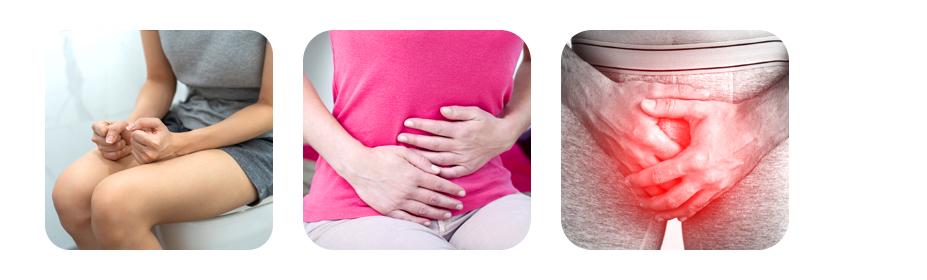
A burning feeling during urination is called dysuria. It means pain, discomfort, or stinging when you pass urine. The condition can affect men and women. It may occur due to infection, inflammation, dehydration, or other medical conditions.
The burning feeling may occur:
- At the start of urination
- During urination
- After urination
- Along with pelvic or abdominal pain
The severity of symptoms depends on the underlying cause.
Common Causes of Burning Sensation in Urine
1. Urinary Tract Infection (UTI)
A urinary tract infection is one of the leading causes of painful urination. It occurs when bacteria enter the urinary tract and multiply.
Symptoms of UTI:
- Frequent urge to urinate
- Cloudy or foul-smelling urine
- Lower abdominal pain
- Burning while urinating
- Blood in urine

Women are more prone to UTIs because of their shorter urethra.
2. Dehydration
Insufficient water intake can make urine highly concentrated, irritating the urinary tract lining and causing a burning sensation.
Signs of dehydration:
- Dark yellow urine
- Dry mouth
- Fatigue
- Dizziness
- Reduced urine output

Drinking enough water throughout the day helps dilute urine and reduce irritation.
3. Sexually Transmitted Infections (STIs)
Certain sexually transmitted infections can cause painful urination.
Common STIs linked to burning urination:
- Chlamydia
- Gonorrhea
- Herpes simplex virus
- Trichomoniasis
Additional symptoms may include:
- Genital sores
- Unusual discharge
- Pelvic pain
- Itching or irritation

Prompt medical treatment is important to avoid complications.
4. Kidney Stones
Kidney stones are hard mineral deposits formed inside the kidneys. When stones move through the urinary tract, they can irritate tissues and cause severe pain and burning.
Symptoms:
- Sharp back or side pain
- Blood in urine
- Frequent urination
- Nausea and vomiting
- Painful urination

5. Vaginal or Yeast Infections
Women may experience burning urination due to vaginal infections or fungal overgrowth.
Common symptoms:
- Vaginal itching
- Thick white discharge
- Redness and irritation
- Pain during urination

Treating the underlying infection usually resolves urinary discomfort.
6. Prostatitis in Men
Inflammation of the prostate gland can lead to urinary pain and difficulty.
Symptoms include:
- Painful urination
- Difficulty starting urine flow
- Pelvic discomfort
- Pain during ejaculation
- Frequent nighttime urination
7. Chemical Irritation
Certain personal care products may irritate sensitive genital tissues.
Possible irritants:
- Scented soaps
- Bubble baths
- Harsh detergents
- Feminine hygiene sprays
- Spermicides

Avoiding irritating products often improves symptoms.
8. Interstitial Cystitis
Also known as painful bladder syndrome, this chronic condition causes bladder pressure and urinary pain without infection.
Symptoms:
- Chronic pelvic pain
- Frequent urination
- Urgent urination
- Burning sensation

Symptoms Associated With Burning Urination
A burning sensation may appear alongside several other symptoms depending on the cause.
Common Associated Symptoms
- Frequent urination
- Urgency to urinate
- Blood in urine
- Fever
- Chills
- Lower abdominal pain
- Pelvic pressure
- Foul-smelling urine
- Difficulty urinating
Severe symptoms may indicate kidney involvement or a serious infection requiring immediate medical care.
When to See a Doctor
Medical attention is necessary if burning urination is persistent or accompanied by alarming symptoms.
Seek Immediate Medical Help If You Experience:
- Fever and chills
- Severe abdominal pain
- Blood in urine
- Vomiting
- Persistent burning sensation
- Difficulty urinating
- Back or flank pain
- Recurrent urinary infections

Early diagnosis helps prevent complications such as kidney infections or chronic urinary issues.
How Burning Sensation in Urine Is Diagnosed
Healthcare professionals use several diagnostic methods to identify the exact cause.
1. Medical History and Physical Examination
Doctors evaluate:
- Symptom duration
- Pain location
- Urinary habits
- Sexual history
- Medication use
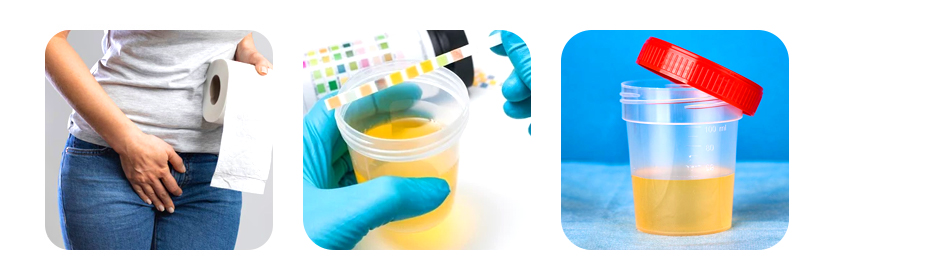
2. Urine Analysis
Urinalysis checks for:
- Bacteria
- Blood
- White blood cells
- Crystals
- Protein
3. Urine Culture
This test identifies the specific bacteria causing infection and helps determine the most effective antibiotic.
4. Imaging Tests
Ultrasound or CT scans may be recommended to detect:
- Kidney stones
- Structural abnormalities
- Tumors
- Blockages
5. STI Testing
Swab or blood tests help diagnose sexually transmitted infections.
Treatment for Burning Sensation in Urine
Treatment depends entirely on the underlying cause.
1. Antibiotics for Infections
Bacterial infections are usually treated with antibiotics.
Commonly prescribed antibiotics:
- Nitrofurantoin
- Ciprofloxacin
- Trimethoprim-sulfamethoxazole
Completing the entire antibiotic course is essential.
2. Increased Fluid Intake
Drinking more water helps flush bacteria and toxins from the urinary tract.
Recommended fluids:
- Water
- Coconut water
- Clear soups
- Herbal teas
Avoid sugary or caffeinated beverages during recovery.
3. Pain Relief Medications
Doctors may prescribe urinary pain relievers to reduce discomfort.
Common options:
- Phenazopyridine
- Anti-inflammatory medications
These medications provide temporary relief while the underlying condition heals.
4. Antifungal Medications
Yeast infections are treated using antifungal creams or oral medications.
5. Lifestyle and Dietary Changes
Certain foods and habits can worsen urinary irritation.
Avoid:
- Alcohol
- Excess caffeine
- Spicy foods
- Carbonated drinks
- Smoking
Maintaining a balanced diet supports urinary health.

Home Remedies for Burning Urination
Mild cases may improve with supportive home care measures.
1. Drink Plenty of Water
Hydration dilutes urine and reduces irritation.
2. Consume Cranberry Products
Cranberry juice may help reduce bacterial adherence in the urinary tract.
Choose unsweetened cranberry juice for best results.
3. Use a Heating Pad
Applying warmth to the lower abdomen can reduce pelvic discomfort.
4. Maintain Proper Hygiene
Good hygiene practices help prevent infections.
Hygiene tips:
- Wipe front to back
- Wear breathable cotton underwear
- Avoid harsh soaps
- Urinate after sexual activity
5. Avoid Holding Urine
Frequent emptying of the bladder helps prevent bacterial growth.

Prevention Tips for Burning Sensation in Urine
Preventive measures significantly reduce the risk of urinary problems.
Stay Hydrated
Adequate water intake keeps the urinary tract healthy.
Maintain Personal Hygiene
Regular cleaning prevents bacterial buildup.
Avoid Irritating Products
Choose fragrance-free personal care items.
Manage Medical Conditions
Proper control of diabetes and kidney disorders lowers infection risk.
Complications of Untreated Burning Urination
Ignoring symptoms may lead to serious complications.
Potential Complications Include:
- Kidney infections
- Chronic bladder inflammation
- Recurrent UTIs
- Kidney damage
- Fertility issues
- Sepsis in severe infections
Timely treatment reduces the risk of long-term health problems.
Burning Sensation in Urine During Pregnancy
Pregnant women are more vulnerable to urinary infections due to hormonal and physical changes.
Symptoms to Watch For:
- Frequent urination
- Pelvic discomfort
- Burning urination
- Fever
Untreated infections during pregnancy can increase the risk of complications, making early medical evaluation essential.
Burning Urination in Children
Children may develop urinary discomfort due to infections, dehydration, or hygiene issues.
Signs in Children:
- Crying during urination
- Bedwetting
- Fever
- Foul-smelling urine
- Frequent bathroom visits

Parents should seek pediatric evaluation if symptoms persist.
Foods That Support Urinary Health
A healthy diet helps maintain bladder and urinary tract function.
Beneficial Foods Include:
- Watermelon
- Cucumbers
- Yogurt
- Blueberries
- Cranberries
- Leafy vegetables
- Citrus fruits in moderation

These foods support hydration and immune function.
Conclusion
A burning sensation in urine should never be ignored, especially when accompanied by persistent discomfort or other urinary symptoms. Early diagnosis and proper treatment help prevent complications and restore urinary health effectively. Whether caused by infections, dehydration, kidney stones, or irritation, understanding the root cause is the first step toward recovery.
Maintaining good hydration, practicing proper hygiene, eating a balanced diet, and seeking timely medical care are essential strategies for preventing urinary discomfort and protecting long-term urinary tract health.
Frequently Asked Questions
1. Can dehydration cause burning urination?
Yes, dehydration can make urine concentrated, leading to irritation and burning sensations.
2. How long does burning urination last?
The duration depends on the cause. Mild irritation may improve within a day, while infections may require several days of treatment.
3. Is burning urination always a UTI?
No, it can also result from kidney stones, STIs, dehydration, chemical irritation, or inflammatory conditions.
4. Can men experience burning urination?
Yes, men can develop painful urination due to infections, prostatitis, kidney stones, or STIs.
5. What drinks help reduce burning urination?
Water, coconut water, and unsweetened cranberry juice may help soothe urinary irritation.