
Obstetrics & Gynaecology in Sholinganallur, OMR for Comprehensive Women’s Healthcare

Women’s healthcare can involve different needs at different stages of life. Changes in periods, pelvic symptoms, reproductive health concerns and pregnancy-related needs may require medical evaluation to understand what is happening and whether further care is appropriate.
At Tulips Multispeciality Hospital in Sholinganallur, OMR, patients can consult Dr. Gowri for Obstetrics & Gynaecology care. She has 34 years of experience, with qualifications including MBBS and a Diploma in Obstetrics and Gynaecology. Her medical registration is verified.
Whether you are seeking advice about a change in your menstrual pattern, have a reproductive health concern, are experiencing pelvic symptoms or need pregnancy-related care, a consultation can help establish the appropriate next step based on your individual circumstances.

What Does Obstetrics & Gynaecology Cover?
Obstetrics & Gynaecology covers women’s reproductive health, including pregnancy, childbirth and conditions or concerns affecting the female reproductive system. Obstetrics focuses mainly on pregnancy and childbirth, while Gynaecology focuses on reproductive and menstrual health outside pregnancy.
The appropriate care depends on factors such as symptoms, age, medical history, menstrual pattern, pregnancy status and clinical findings.
What Is Obstetrics & Gynaecology?
Obstetrics and Gynaecology are closely related medical specialties that address different aspects of women's health.
What Does Obstetrics Focus On?
Obstetrics focuses on pregnancy, maternal health and childbirth.
Pregnancy involves changing healthcare needs as it progresses. Obstetric care may include assessing the mother’s health, discussing pregnancy-related concerns, monitoring the pregnancy as appropriate and deciding whether investigations or follow-up are needed. The care required can differ between pregnancies based on previous history and stage.
What Does Gynaecology Focus On?
Gynaecology focuses on the female reproductive system and related health concerns.
Women may seek gynaecological care for changes in menstruation, pelvic symptoms, reproductive health concerns or other problems involving the reproductive system. The doctor may recommend observation, examination, investigations, treatment or follow-up depending on the individual concern.

What Is the Difference Between Obstetrics and Gynaecology?
Both areas are connected. A woman may need gynaecological care at different stages of life and obstetric care during pregnancy.
Obstetrics
- Focuses mainly on pregnancy and childbirth
- Addresses pregnancy-related healthcare
- Care changes according to pregnancy stage and individual needs
- Includes maternal healthcare throughout pregnancy and delivery
Gynaecology
- Focuses mainly on the female reproductive system
- Addresses menstrual, pelvic and reproductive health concerns
- Care depends on symptoms, history and clinical findings
- Includes women's reproductive healthcare outside pregnancy

What Women's Health Concerns Can a Gynaecologist Help With?
A gynaecologist can evaluate concerns involving menstrual, reproductive and pelvic health. At a consultation, the doctor first considers the patient’s symptoms and relevant history before determining what type of assessment is appropriate.
Women may seek a consultation for:
- Changes in menstrual cycle or bleeding pattern
- Heavy or prolonged menstrual bleeding
- Persistent or troublesome period pain
- Pelvic or lower abdominal discomfort
- Unusual vaginal symptoms
- Reproductive health concerns
- Pregnancy-related concerns
- Other changes in women's reproductive health that require medical evaluation
The presence of a symptom does not by itself establish a diagnosis. Clinical assessment helps determine whether further investigation or management is needed.
What Pregnancy Care Does an Obstetrician Provide?
Obstetric care is designed to support the health of the mother and monitor pregnancy-related needs throughout pregnancy and around childbirth. The doctor may consider:
- The stage of pregnancy
- Current symptoms or concerns
- The mother's medical history
- Previous pregnancy history where relevant
- Existing health conditions & current medications
- Findings from previous assessments & monitoring needs
Pregnancy care should be individualized because medical needs differ between pregnancies.
Why Is Antenatal Care Important?
Antenatal care allows the mother’s health and pregnancy to be assessed at appropriate stages, offering opportunities to:
- Review maternal health & discuss pregnancy symptoms
- Consider relevant medical history & risk factors
- Monitor pregnancy as clinically appropriate
- Identify whether investigations or scans are needed
- Review investigation findings & plan follow-up
The timing and frequency of antenatal visits vary according to the obstetrician’s recommendations.
What Happens During a Pregnancy Consultation?
A pregnancy consultation provides an opportunity to discuss the mother's health, review relevant information, and identify any concerns requiring attention.
1. Discussing Current Concerns
The doctor may ask about symptoms, changes in health, and any questions you have about the pregnancy.
2. Reviewing Medical History
Previous medical conditions, treatments, surgeries, and relevant pregnancy history may be considered.
3. Assessing Current Health
The doctor may perform appropriate clinical assessments based on the pregnancy and presenting concerns.
4. Reviewing Investigations
Existing reports may be considered, and additional investigations recommended when clinically appropriate.
5. Planning Follow-Up
The doctor may advise when further assessment is needed. Not every pregnancy requires the same follow-up frequency.
When Should You See an Obstetrician During Pregnancy?
- You notice a significant or unexpected change in your health
- You have a pregnancy-related concern that you are unsure about
- You have questions about an investigation or medical report
- You have concerns related to an existing health condition during pregnancy
- You are unsure whether a symptom requires medical attention
If symptoms are severe, sudden or rapidly worsening, seek prompt medical attention. If you believe you are experiencing an emergency, do not wait for a routine appointment.
When Should You See a Gynaecologist?
- A noticeable change in your usual menstrual pattern
- Unusually heavy or prolonged bleeding
- Period pain that is persistent or interferes with daily activities
- Ongoing pelvic or lower abdominal discomfort
- Unusual vaginal symptoms or unexplained persistent symptoms
A consultation does not necessarily mean immediate treatment is required; the first step is understanding the concern and establishing whether further evaluation is needed.
How Is a Gynaecological Problem Checked?
A gynaecological assessment usually begins with your symptoms and medical history, followed by an examination or investigation when clinically appropriate.
Your Symptoms
When did they start? How often do they occur? Have they become more severe? Do they affect your daily activities?
Your Menstrual History
Usual cycle pattern, bleeding duration, changes in flow, and symptoms associated with your periods.
Your Medical History
Previous medical conditions, surgeries and treatments that provide context for your current concern.
Your Reproductive History
Where relevant, previous pregnancy and reproductive history will form part of the assessment.
Your Current Medicines
Current medicines, prescriptions, and supplements relevant to your symptoms or overall care.
Examination & Tests
Laboratory tests, imaging studies, or other examinations recommended when they can provide useful clinical info.
What Should You Tell Your Gynaecologist During a Consultation?
You do not need to diagnose yourself before the appointment. Instead, describe what you have noticed as accurately as possible:
- When the concern started & how often symptoms occur
- Whether symptoms are changing or getting worse
- Changes in your menstrual cycle
- Previous relevant conditions, surgeries or treatments
- Current medicines and supplements
- Relevant pregnancy history & previous medical reports
What Should You Tell Your Obstetrician During Pregnancy?
Do not hesitate to discuss a symptom simply because you are unsure whether it is important. Mention:
- New or unexpected symptoms
- Changes in your general health
- Existing medical conditions & medicines currently taken
- Relevant previous pregnancy history
- Concerns about investigation reports & questions about care
You do not need to decide whether a symptom is medically significant before mentioning it.
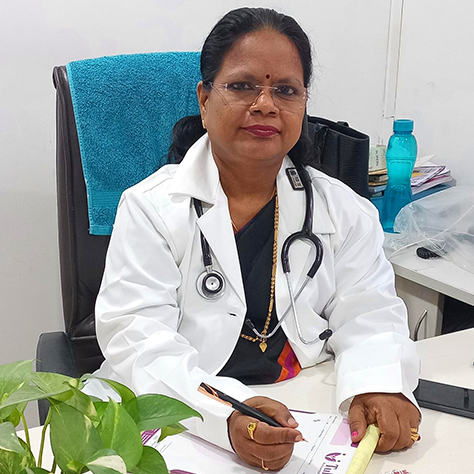
Dr. Gowri
Consultant Gynecologist & Obstetrician | General Physician
34 Years Experience • Medical Registration Verified
- MBBS from Stanley Medical College, Chennai (1992)
- Diploma in Obstetrics & Gynaecology (DGO), Indian College of Maternal & Child Health (1997)
- Specialties: Obstetrics & Gynaecology and General Physician
Why Consider Tulips Multispeciality Hospital?
Choosing where to seek women's healthcare involves considering the doctor's qualifications, relevant specialties, and comprehensive clinical facilities. Patients can consult Dr. Gowri backed by multiple healthcare departments within the same hospital.
Obstetrics & Gynaecology
Paediatrics
Orthopaedics
Medicine & Surgery
Neurology
Dermatology
Cardiology
ENT
What Menstrual Changes Should You Discuss?
- Periods becoming unusually heavy or prolonged
- Persistent or troublesome period pain
- Significant changes in your usual cycle pattern
- Repeated changes in bleeding between periods
- Menstrual symptoms that interfere with work or daily life
- A persistent change that you cannot explain
How Are Menstrual Problems Evaluated?
- When your periods occur & how long your cycle lasts
- How many days you bleed & changes in flow volume
- Whether you experience pain or unexpected bleeding
- Other symptoms occurring around your cycle
- Previous medical or gynaecological concerns
What Causes Pelvic Pain or Discomfort?
- Where the pain occurs and when it began
- Whether it is continuous or intermittent
- Whether it changes around menstruation
- Whether other symptoms occur alongside it
- Whether you have undergone relevant surgery or treatments
What Reproductive Concerns Can You Discuss?
- Menstrual history and current symptoms
- Previous medical conditions, surgeries and treatments
- Pregnancy history & current medicines taken
- Previous investigation and laboratory reports
How Does a Doctor Decide on Further Tests?
A doctor recommends an investigation when the result provides useful clinical information. Deciding factors include symptoms, history, examination findings, and the clinical question to be answered.
Helpful question: “What is this test looking for, and how will the result help with my care?”
How Is Treatment Chosen?
Treatment is chosen based on the underlying problem, symptoms, medical history, age and reproductive stage rather than simply the symptom’s name.
Why not use someone else’s prescription? A treatment appropriate for someone else may delay your evaluation or create avoidable risks due to individual clinical variations.
What to Bring to Your Appointment
- Previous laboratory reports & diagnostic results
- Relevant ultrasound or imaging reports
- Previous prescriptions & hospital discharge summaries
- Records of relevant procedures or surgeries
- Current medication list and supplement information
What to Track Between Appointments
- Menstrual cycle dates & duration of bleeding
- Noticeable changes in flow or bleeding between periods
- Pain patterns (location, onset, continuous vs. intermittent)
- New or unusual symptoms noticed over time
- Changes observed after starting a medication or treatment
Frequently Asked Questions
Clear information on consultations, antenatal care, and gynaecological health
What does an Obstetrics & Gynaecology doctor do?
An Obstetrics & Gynaecology doctor provides medical care related to pregnancy, childbirth and the female reproductive system. Depending on the patient's concern, the consultation may involve menstrual, pelvic, reproductive or pregnancy-related assessment.
When should I see a gynaecologist?
You should consider seeing a gynaecologist when you notice a persistent or significant change in your menstrual or reproductive health, such as unusual bleeding, troublesome period pain, persistent pelvic discomfort or another symptom that concerns you.
What happens during a gynaecology consultation?
The doctor generally begins by discussing your symptoms and relevant medical history. Depending on your concern, a clinical examination or investigation may be recommended. The appropriate next step depends on your individual circumstances.
Can I see a gynaecologist for changes in my periods?
Yes. A gynaecologist can assess changes in menstrual timing, bleeding pattern, duration or associated symptoms and determine whether further evaluation is appropriate.
Is severe period pain a reason to consult a gynaecologist?
Yes. If period pain is persistent, unusually troublesome or interferes with your normal activities, discussing it with a gynaecologist can help determine whether further assessment is needed.
What does antenatal care involve?
Antenatal care involves monitoring the mother's health and pregnancy-related needs at appropriate stages. Depending on the pregnancy, it may include clinical assessment, review of medical history, appropriate investigations and follow-up.
When should I contact my doctor during pregnancy?
Contact your treating healthcare professional if you experience a new, unexpected or concerning pregnancy-related symptom. If symptoms are severe, sudden or rapidly worsening, seek prompt medical attention rather than waiting for a routine appointment.
Do I need tests for every gynaecological symptom?
No. Tests are recommended according to the symptoms, medical history, clinical findings and the information the doctor needs to make an appropriate assessment.
Should I bring previous medical reports to my appointment?
Yes, when they are relevant. Previous scan reports, laboratory results, prescriptions, discharge summaries and records of relevant procedures can help the doctor understand what has already been evaluated.
Can the same symptom require different treatment in different women?
Yes. Similar symptoms can have different underlying causes. Medical history, pregnancy status, examination findings, investigation results and other health factors may influence the appropriate management.
Can I discuss pregnancy-related concerns with a gynaecologist?
Yes. Obstetrics is the area of women's healthcare focused on pregnancy and childbirth. A doctor with Obstetrics & Gynaecology training can assess pregnancy-related concerns and determine the appropriate next step.
How should I prepare for my first gynaecology appointment?
Write down your main concern, when it started and any changes you have noticed. Bring relevant medical reports and current medication information, and prepare questions you want to discuss with the doctor.
Who is the Obstetrics & Gynaecology doctor at Tulips Multispeciality Hospital?
Dr. Gowri is associated with Obstetrics & Gynaecology care at Tulips Multispeciality Hospital. Her documented qualifications include MBBS and Diploma in Obstetrics and Gynaecology, with 34 years of experience and verified medical registration.
Where is Tulips Multispeciality Hospital located?
Tulips Multispeciality Hospital is located at OMR–ECR Link Road Toll, 13, 2nd, Doraiswamy Street, Sholinganallur, Tamil Nadu 600119, India.
Need to Discuss a Women's Health Concern?
If you have a menstrual, reproductive, pelvic or pregnancy-related concern, a consultation can help determine what evaluation or care is appropriate.
At Tulips Multispeciality Hospital, patients can consult Dr. Gowri for Obstetrics & Gynaecology care.
Location: OMR–ECR Link Road Toll, 13, 2nd, Doraiswamy Street, Sholinganallur, Tamil Nadu 600119, India
Phone: +91 9043 9042 92 | +044 4508 6262
Next step: Contact the hospital to enquire about consultation availability and appointments.
Medical Disclaimer: This page provides general health information for educational purposes and does not replace medical examination, diagnosis, or individualized medical advice. If you have severe or emergency symptoms, seek appropriate urgent medical attention.