
Orthopaedic Hospital in Sholinganallur, OMR for Comprehensive Bone, Joint & Musculoskeletal Care
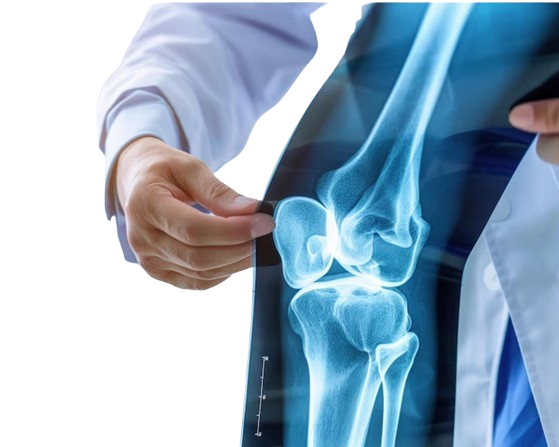
Bone, joint and muscle problems can affect movement, work, exercise and everyday activities. Pain may develop gradually or appear after an injury, while stiffness, swelling or difficulty moving a joint can sometimes indicate a problem that needs medical assessment.
At Tulips Multispeciality Hospital in Sholinganallur, OMR, patients can consult Dr. Arun Kumar K.V., an Orthopaedic Surgeon with 20 years of overall experience, including 15 years as a specialist. He holds an MBBS and MS in Orthopaedics, with verified medical registration.
Whether you are experiencing persistent joint pain, difficulty with movement, an injury-related concern or another musculoskeletal problem, an orthopaedic consultation can help determine what may be causing the symptoms and whether further evaluation or treatment is appropriate.
Quick Answer: What Does Orthopaedic Care Include?
Orthopaedic care focuses on conditions and injuries affecting the bones, joints, muscles, ligaments, tendons and other parts of the musculoskeletal system. An orthopaedic doctor evaluates symptoms, medical history and physical findings to determine whether further investigations or treatment may be required.
The appropriate approach depends on the location and severity of the problem, how it developed, previous injuries or treatment and the patient’s overall health.
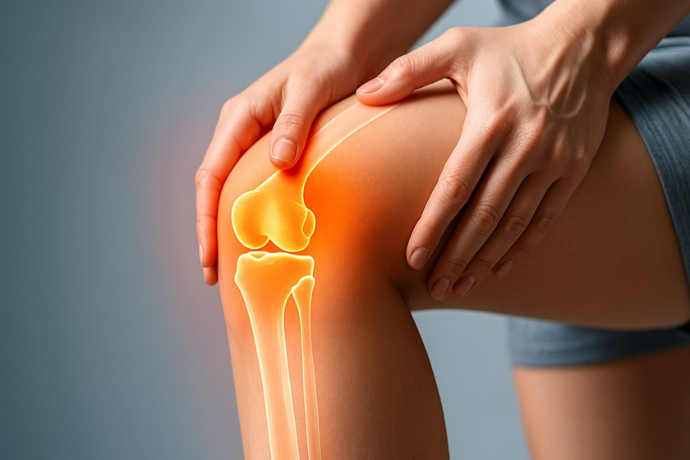
What Is Orthopaedic Care?
Orthopaedics is a medical specialty concerned with the musculoskeletal system, which allows the body to support itself and move.This includes:
- Bones
- Joints
- Muscles
- Ligaments
- Tendons
- Other structures involved in movement and physical function
Orthopaedic care may be relevant when pain, injury, stiffness, swelling, weakness or restricted movement affects these structures. Not every musculoskeletal problem requires the same type of treatment. An assessment helps determine what is appropriate for the individual patient.
What Does an Orthopaedic Doctor Treat?
An orthopaedic doctor can evaluate a wide range of problems involving the musculoskeletal system.Patients may seek orthopaedic care for concerns such as:
- Joint pain or stiffness
- Bone or muscle-related pain
- Difficulty moving a joint
- Swelling around a joint
- Injuries affecting movement
- Persistent pain following an injury
- Problems that interfere with normal physical activity
- Other musculoskeletal symptoms requiring medical assessment
The cause of a symptom cannot always be identified from the symptom alone. An orthopaedic doctor may need to consider the patient’s history and examination findings before deciding whether further investigation is necessary.
Which Parts of the Body Can Orthopaedic Care Involve?
Musculoskeletal pain can have different causes. It may be associated with an injury, overuse, changes affecting a joint or another underlying problem.The doctor may consider:
- How the pain started
- Where the pain is located
- Whether an injury occurred
- How long the symptoms have been present
- Whether movement makes the symptoms worse
- Whether swelling or stiffness is present
- Whether the problem has happened before
- Whether previous treatment was received
This information helps the doctor understand the problem before deciding what further assessment may be useful.
When Should You See an Orthopaedic Doctor?
You should consider an orthopaedic consultation when musculoskeletal symptoms are persistent, worsening, affecting movement or interfering with normal activities.You may benefit from an assessment if you experience:
- Persistent joint or bone pain
- Stiffness that limits movement
- Repeated swelling around a joint
- Difficulty walking or using an affected limb
- Pain that continues after an injury
- Reduced range of movement
- Symptoms that interfere with work, exercise or daily activities
- A musculoskeletal problem that keeps returning
The cause of a symptom cannot always be identified from the symptom alone. An orthopaedic doctor may need to consider the patient’s history and examination findings before deciding whether further investigation is necessary.
What Can Cause Joint or Musculoskeletal Pain?
Orthopaedic concerns can affect different parts of the musculoskeletal system.Depending on the patient’s symptoms, an orthopaedic consultation may involve the:
- Shoulder
- Elbow
- Wrist and hand
- Hip
- Knee
- Ankle and foot
- Other joints and bones
- Muscles, ligaments and tendons
The location of pain can provide an important clue, but it does not always identify the underlying cause. For example, discomfort around a joint may involve the joint itself or surrounding muscles, tendons or other structures.
How Does an Orthopaedic Doctor Check Your Problem?
An orthopaedic assessment generally begins with your symptoms and medical history, followed by a physical examination and further investigation when clinically necessary.The doctor may consider:
Your Symptoms
You may be asked when the problem began, where you feel it and whether it has changed over time.
Your Movement
The doctor may assess how the affected joint or body part moves and whether movement causes discomfort or restriction.
Previous Injuries
A previous injury can provide important context, particularly when symptoms have developed in the same area.
Medical History
Existing health conditions, previous surgeries and earlier treatments may influence the assessment.
Physical Examination
The affected area may be examined for tenderness, swelling, movement limitations or other clinically relevant findings.
Further Investigations
Depending on the clinical assessment, the doctor may recommend imaging or other investigations to obtain additional information.
Not every patient requires the same tests. The decision should be based on the clinical question the doctor is trying to answer.
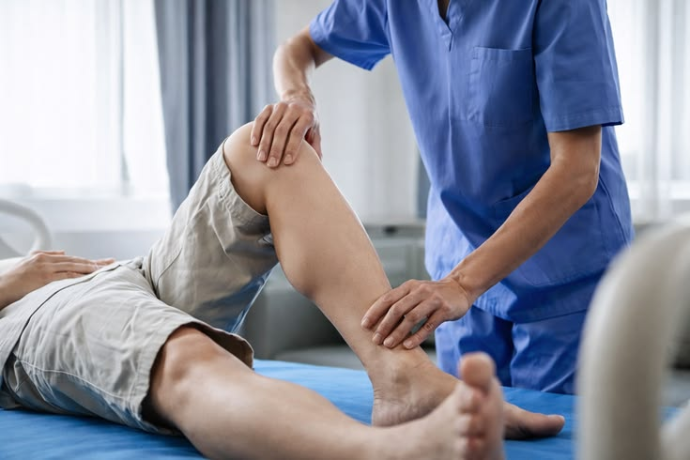
Why Is Physical Examination Important in Orthopaedics?
Musculoskeletal problems often involve movement and physical function, so examination can provide information that cannot be obtained from symptoms alone.Depending on the concern, the doctor may assess:
- Range of movement
- Tenderness
- Swelling
- Strength or functional movement
- The way the affected area moves
- Other findings relevant to the presenting problem
The examination is considered alongside your medical history and symptoms rather than used as a standalone measure.
What Should You Tell Your Orthopaedic Doctor?
You do not need to identify the injury or condition yourself before your appointment.Try to explain:
- When the pain or problem started
- Whether there was an injury
- What you were doing when it began
- Where exactly you feel the symptoms
- Whether the pain is constant or comes and goes
- Whether movement makes it worse
- Whether there is swelling or stiffness
- Whether you have had a similar problem before
- What treatment you have already tried
Clear information about how the problem developed can help your doctor understand the concern more effectively.
What Should You Bring to an Orthopaedic Appointment?
Relevant previous medical information can help the doctor understand what has already been evaluated.Consider bringing:
- Previous X-rays or other imaging reports
- Laboratory reports if relevant
- Previous prescriptions
- Discharge summaries
- Records of previous orthopaedic treatment
- Details of previous surgery or injury
- Current medication information
You do not need to bring unrelated medical records. Prioritize documents connected to your current musculoskeletal concern.

Dr. Arun Kumar K.V.
MBBS | MS – Orthopaedics
20 years overall, including 15 years as a specialist • Medical registration verified
- MBBS from Annamalai University — 2006
- MS – Orthopaedics from Vinayaka Missions Research Foundation — 2011
- Specialties: Orthopaedic Surgeon

Why Consider Tulips Multispeciality Hospital for Orthopaedic Care?
When choosing a hospital for an orthopaedic consultation, patients may consider the doctor’s qualifications, relevant specialty and the wider medical services available at the hospital.
Orthopaedic Specialist
Patients seeking orthopaedic consultation can consult Dr. Arun Kumar K.V., who has 20 years of overall experience, including 15 years as a specialist, with qualifications in Orthopaedics.
Multispeciality Hospital
Tulips Multispeciality Hospital has documented departments including:
- Obstetrics & Gynaecology
- Orthopaedics
- Paediatrics
- Neurology
- General Medicine & General Surgery
- Dermatology
- Cardiology
- ENT
If another medical specialty is clinically relevant to a patient’s care, the availability of multiple departments can provide a broader healthcare setting.
What Is the Difference Between Bone, Joint and Muscle Problems?
Although bones, joints and muscles work together, problems affecting them can present differently.
Area
- Bones
- Joints
- Muscles
- Tendons & Ligaments
What It Does
- Provide structure and support
- Allow movement between bones
- Produce movement and support posture
- Connect and stabilize musculoskeletal structures
Possible Symptoms
- Pain, tenderness or difficulty using the affected area
- Pain, stiffness, swelling or restricted movement
- Pain, weakness or discomfort with movement
- Pain, tenderness or movement-related discomfort
These symptoms can overlap, so identifying the affected structure may require a clinical assessment.
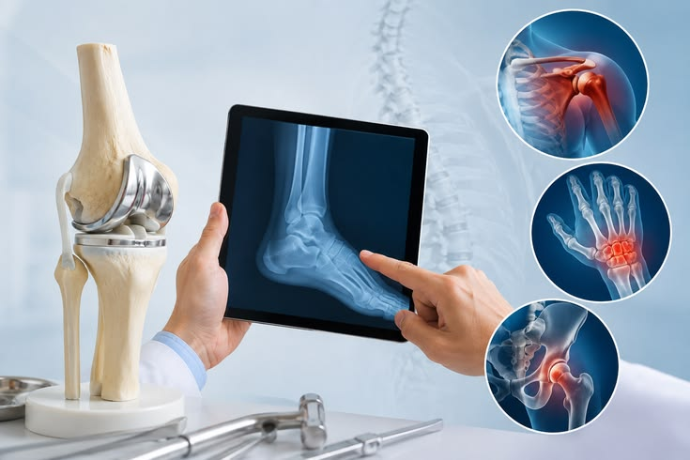
What Should You Expect From Your First Orthopaedic Consultation?
Your first appointment is primarily about understanding the problem and determining the appropriate next step.Depending on your concern, the consultation may involve:
- Discussion of your symptoms
- Review of relevant medical history
- Discussion of previous injuries or treatment
- Physical examination
- Review of previous reports
- Recommendation for further investigation when necessary
- Discussion of appropriate management
- Follow-up planning when required
The exact process can vary because an acute injury, long-standing joint pain and movement-related symptoms may require different forms of assessment.
What Happens After an Orthopaedic Assessment?
The next step depends on what the doctor finds.You may be advised to:
- Continue monitoring the symptoms
- Complete recommended investigations
- Follow an appropriate treatment plan
- Return for review
- Seek additional specialist assessment if clinically necessary
A diagnosis or treatment decision should be based on an individual assessment rather than on symptoms alone.
How Are Orthopaedic Problems Diagnosed?
An orthopaedic diagnosis is based on the patient’s symptoms, medical history and physical examination, with imaging or other investigations used when they are clinically appropriate.The doctor may consider:
- Where the problem is located
- How and when it started
- Whether an injury occurred
- How the symptoms affect movement
- Whether swelling, stiffness or weakness is present
- Previous injuries or treatment
- Relevant medical conditions
The purpose of assessment is to understand the underlying problem rather than treating pain as a diagnosis by itself.
When Might You Need an X-Ray or Other Imaging?
Pain following an injury should be assessed according to the nature of the injury and the symptoms that followed.Tell the doctor:
- What happened
- When the injury occurred
- Which part of the body was affected
- Whether you were able to continue using the affected area
- Whether swelling developed
- Whether movement became difficult
- Whether you received any treatment immediately after the injury
This information can help the doctor understand how the symptoms developed.
How Is Joint Pain Evaluated?
Joint pain can have different causes, so the doctor first needs to understand the pattern of the problem.During an assessment, the doctor may consider:
- Which joint is affected
- When the pain began
- Whether the pain followed an injury
- Whether movement increases the discomfort
- Whether the joint feels stiff
- Whether swelling is present
- Whether symptoms are affecting normal activities
- Whether similar symptoms have occurred previously
The examination and relevant investigations help the doctor decide what type of management may be appropriate.
What If Your Joint Pain Started After an Injury?
Pain following an injury should be assessed according to the nature of the injury and the symptoms that followed.Tell the doctor:
- What happened
- When the injury occurred
- Which part of the body was affected
- Whether you were able to continue using the affected area
- Whether swelling developed
- Whether movement became difficult
- Whether you received any treatment immediately after the injury
This information can help the doctor understand how the symptoms developed.
What About Pain That Develops Without an Injury?
Not all orthopaedic problems begin with an obvious accident.Pain or stiffness may develop gradually and become noticeable during everyday activities.When there is no clear injury, the doctor may look more closely at:
- How long the symptoms have been present
- Whether they are getting worse
- Activities that increase or reduce discomfort
- Changes in movement
- Previous medical history
- Previous episodes of similar symptoms
Persistent symptoms deserve attention even when there was no specific event that caused them.
What Are Common Signs That a Musculoskeletal Problem Needs Assessment?
Consider seeking medical advice when symptoms are persistent, worsening or interfering with normal function.Relevant signs can include:
- Ongoing pain
- Reduced movement
- Persistent stiffness
- Recurrent swelling
- Difficulty walking or using an affected limb
- Pain that continues after an injury
- Symptoms that interfere with work or physical activity
- A recurring musculoskeletal problem
The severity and urgency depend on the individual situation.
How Does an Orthopaedic Doctor Decide on Treatment?
Treatment decisions are based on the clinical assessment and the specific problem rather than on pain alone.The doctor may consider:
- The underlying cause or suspected cause
- Severity of the symptoms
- Duration of the problem
- Functional limitations
- Age and general health
- Previous injuries
- Previous treatments
- Examination findings
- Investigation results
The appropriate treatment therefore varies from patient to patient.
Does Every Orthopaedic Problem Need Surgery?
No. Surgery is not automatically required for every orthopaedic condition or injury.Depending on the diagnosis and individual circumstances, management may involve:
- Observation or monitoring
- Non-surgical medical management
- Activity modification where appropriate
- Further investigation
- Follow-up assessment
- Surgery when clinically indicated
Whether surgery is appropriate depends on the specific condition, its severity, response to other management and the doctor’s assessment.
When Might Surgery Be Considered?
Surgery may be considered when a particular orthopaedic problem requires an operative approach.The decision can depend on:
- The diagnosis
- Severity of the problem
- Functional impairment
- Findings from examination or investigations
- Previous treatment
- Response to non-surgical management where appropriate
- Overall health and surgical suitability
A surgical recommendation should be based on an individual assessment. Patients should discuss the expected benefits, limitations, risks and alternatives with their treating orthopaedic surgeon.
What Are Non-Surgical Treatment Options?
Not every patient requires an operation.Depending on the condition, a doctor may consider non-surgical management such as:
- Medication when medically appropriate
- Activity modification
- Observation and follow-up
- Other conservative approaches suited to the diagnosis
The specific treatment should be determined by the treating doctor.
It is important not to assume that a treatment suitable for one person’s joint or injury will necessarily be suitable for another.
Why Can Two People With Similar Pain Receive Different Treatment?
Similar symptoms do not always mean the same underlying problem.Two people may both report knee, shoulder or back discomfort but have different:
- Causes
- Severity
- Medical histories
- Examination findings
- Imaging findings
- Functional limitations
- Previous treatments
For this reason, treatment should follow individual assessment rather than comparison with another person’s experience.
What Factors Can Affect Orthopaedic Recovery?
Recovery can vary considerably between individuals.Factors that may influence recovery include:
- The type and severity of the problem
- Whether an injury occurred
- The affected body part
- Overall health
- Previous treatment
- The recommended treatment approach
- How the condition responds to management
Recovery should therefore not be judged against another person’s timeline unless the treating doctor advises that the situations are comparable.
Why Is Following the Treatment Plan Important?
Once a doctor has recommended a management plan, following the instructions can help ensure that the condition is monitored appropriately.Depending on the treatment, this may involve:
- Taking prescribed medication as directed
- Following activity recommendations
- Attending recommended follow-up appointments
- Completing advised investigations
- Reporting significant changes in symptoms
- Previous treatments
Do not independently increase, reduce or stop prescribed treatment without discussing it with the appropriate healthcare professional.
What If Your Symptoms Improve Before Your Follow-Up?
Improvement is useful information, but whether follow-up remains necessary depends on why it was recommended.
If your doctor has specifically asked you to return for review, follow the advised plan or contact the hospital if you are unsure whether the appointment is still needed.
Likewise, if symptoms return or become worse after improving, discuss the change with your healthcare professional.
Can Previous Injuries Affect Current Orthopaedic Problems?
Yes. Previous injuries may provide important context when evaluating a new or recurring musculoskeletal problem.Tell your doctor about:
- Previous fractures or significant injuries
- Previous surgery
- Earlier treatment
- Recurrent problems affecting the same area
- Previous imaging related to the current concern
This information can help the doctor understand whether the current symptoms may be related to an earlier problem or require a separate evaluation.
Why Is Previous Orthopaedic Treatment Important?
If you have already received treatment for the same problem, your doctor may want to know:
- What treatment was provided
- How long you received it
- Whether symptoms improved
- Whether the symptoms returned
- Whether any investigations were performed
- Whether surgery or another procedure was previously considered
Previous treatment does not automatically determine what should happen next. The current condition still needs to be assessed.
What Should You Know About Long-Standing Joint Pain?
Long-standing pain should not simply be accepted as something that has to be tolerated.If pain continues or gradually affects your movement, an orthopaedic assessment can help determine whether the symptoms require further evaluation.Keep track of:
- How long the pain has been present
- Activities that make it worse
- Whether stiffness occurs
- Whether movement has changed
- Whether swelling develops
- Whether previous treatment helped
This information can make the consultation more useful.
Can Physical Activity Contribute to Musculoskeletal Problems?
Certain activities can place repeated demands on muscles, joints and other musculoskeletal structures.When discussing activity-related symptoms, tell your doctor about:
- The type of activity
- How frequently you perform it
- When symptoms usually appear
- Whether symptoms occur during or after activity
- Whether the problem limits your normal activity
The appropriate response depends on the underlying problem. Persistent pain should not automatically be attributed to exercise or physical activity without assessment.
What Should You Do If Orthopaedic Pain Keeps Coming Back?
Recurring symptoms are worth discussing, particularly when they repeatedly interfere with daily activities.Before your appointment, note:
- How frequently the symptoms return
- What seems to trigger them
- How long each episode lasts
- Whether the severity is changing
- What has helped previously
- Whether movement has become more difficult
This gives the doctor a clearer picture than describing only the most recent episode.
When Should You Seek Urgent Medical Attention?
Some musculoskeletal problems require prompt assessment rather than waiting for a routine appointment.
Seek urgent medical attention if you experience severe, sudden or rapidly worsening symptoms, particularly following a significant injury or when normal function is suddenly affected.
If you believe you may be experiencing a medical emergency, seek appropriate emergency care rather than waiting for an outpatient orthopaedic consultation.
What Should You Avoid Before Your Orthopaedic Consultation?
Avoid making major treatment decisions based solely on an online search or another person’s experience.In particular:
- Do not assume your symptoms confirm a particular diagnosis
- Do not use another person's prescription
- Do not continue an activity that significantly worsens your symptoms simply to test whether you can tolerate it
- Do not ignore persistent or worsening symptoms
- Do not change prescribed medication without appropriate medical advice
Instead, document what you are experiencing and discuss it with your doctor.
How Can You Make Your Orthopaedic Consultation More Useful?
A good consultation starts with accurate information. Before visiting the doctor, prepare four things:
1. Describe the problem
Explain what you feel and where it occurs.
2. Explain how it started
Mention whether it followed an injury or developed gradually.
3. Bring relevant records
Carry previous imaging, prescriptions and treatment information.
4. Prepare questions
Ask about the likely cause, recommended investigations, treatment options and follow-up.
This can make it easier to understand what happens next.
How Can You Prepare for an Orthopaedic Appointment?
You do not need to identify the exact condition before seeing an orthopaedic doctor. The most useful preparation is to organize information about your symptoms and previous treatment.Before your appointment, consider noting:
- When the problem started
- Whether it followed an injury
- Where the pain or discomfort occurs
- What movements or activities affect it
- Whether you have swelling or stiffness
- Whether your movement has changed
- Previous injuries involving the same area
- Previous treatments or medicines
- Relevant medical reports or imaging
This information can help the doctor understand how the problem has developed.
What Should You Bring to Your Orthopaedic Consultation?
Relevant medical records can help your doctor understand previous investigations and treatment.If available, bring:
- Previous X-rays or imaging reports
- Relevant laboratory reports
- Previous prescriptions
- Hospital discharge summaries
- Records of previous surgery or procedures
- Details of earlier treatment for the same problem
- Current medication information
If you have digital copies of reports, keeping them accessible on your phone can also make the consultation easier.
What Should You Ask Your Orthopaedic Doctor?
You should feel comfortable asking questions about your symptoms, diagnosis and recommended care.Useful questions include:
- What could be causing my symptoms?
- Do I need any investigations?
- What is the purpose of the recommended test?
- What treatment options are appropriate for my condition?
- Do I need to modify any activities?
- What should I expect during recovery?
- Will I need follow-up?
- Which symptoms should prompt me to seek medical attention sooner?
Understanding the reasoning behind a recommendation can help you make more informed healthcare decisions.
What Happens If an Orthopaedic Problem Is Not Improving?
If pain, stiffness or restricted movement continues despite the initial management, a follow-up assessment may be appropriate.The doctor may need to reconsider:
- Whether the original assessment remains appropriate
- Whether additional investigation is needed
- How the symptoms have changed
- Whether the current management is helping
- Whether another treatment approach should be considered
Persistent symptoms should not automatically be assumed to represent the same problem as before.
What If Your Pain Gets Better and Then Returns?
A recurring problem can provide useful information about the condition.If symptoms return, try to note:
- What you were doing before they returned
- How quickly the symptoms developed
- Whether the severity is different
- Whether swelling or stiffness occurred
- Whether movement became more difficult
- Whether previous treatment provided temporary or lasting improvement
Share this information during your consultation rather than simply restarting an earlier treatment without medical advice.
How Can You Protect Your Musculoskeletal Health?
There is no single routine that prevents every orthopaedic problem. However, maintaining general physical health and paying attention to persistent symptoms can be useful.Depending on your individual health, this may include:
- Staying physically active in an appropriate manner
- Paying attention to persistent pain
- Avoiding activities that repeatedly aggravate an existing problem
- Following medical advice after an injury
- Maintaining appropriate overall health
If a particular activity repeatedly causes pain or restricted movement, discuss it with a healthcare professional rather than assuming the discomfort is something you must simply tolerate.
What Should You Know About Exercise-Related Pain?
Pain during or after physical activity can have different causes.When discussing exercise-related symptoms, tell your doctor:
- What activity you were performing
- How often you perform it
- Whether the pain began suddenly or gradually
- Which movement causes discomfort
- Whether the symptoms continue after stopping the activity
- Whether the problem has happened previously
This information can help distinguish a temporary symptom from a recurring problem that may require assessment.
What Should You Know About Recovery?
Recovery is not identical for every orthopaedic problem.The expected course can depend on:
- The underlying condition
- Severity of the problem
- Whether an injury occurred
- The affected body part
- The treatment provided
- Your overall health
- How your symptoms respond to treatment
For this reason, it is better to discuss your expected recovery with your treating doctor than to compare your progress with another patient’s timeline.

Why Should You Follow Up After Treatment?
Follow-up can help determine whether the treatment is achieving the intended purpose.
Depending on the condition, your doctor may use follow-up to:
- Review changes in symptoms
- Assess movement or function
- Review investigation results
- Evaluate your response to treatment
- Decide whether the management plan should continue or change
Not every patient requires the same follow-up schedule.
What If You Are Still Unsure About Your Diagnosis?
It is reasonable to ask your doctor for clarification.
You can ask:
“What problem are we treating, and how did you arrive at this assessment?”
You can also ask what investigations support the diagnosis and what other possibilities were considered when relevant.
Understanding the diagnosis can help you understand why a particular management plan has been recommended.
Should You Get a Second Opinion?
A second medical opinion can sometimes be useful when you have questions about a diagnosis or recommended treatment, particularly when a major treatment decision is being considered.
If you seek another opinion, take your relevant medical reports and imaging with you. This allows the second doctor to review the available information rather than starting without your previous records.
A second opinion should complement informed decision-making rather than delay urgent care when immediate treatment is medically necessary.
Why Is Self-Diagnosing an Orthopaedic Problem Risky?
Pain in the same body region can occur for different reasons.For example, discomfort around a knee, shoulder or back does not automatically identify which structure is responsible.Online information can help you understand terminology, but it cannot replace:
- A clinical history
- Physical examination
- Appropriate investigation when required
- Professional interpretation of findings
If symptoms persist, worsen or interfere with normal function, discuss them with a qualified healthcare professional.
Why Should You Avoid Taking Someone Else's Orthopaedic Medicine?
A medicine that was prescribed for another person may not be appropriate for you.Treatment decisions can depend on:
- The underlying condition
- Other medical conditions
- Current medicines
- Allergies or previous reactions
- Pregnancy status where relevant
- Age and general health
- Investigation findings
Do not assume that the same medication is suitable simply because the symptoms appear similar.
What Should You Know Before Considering Orthopaedic Surgery?
If surgery is recommended, it is important to understand why it has been suggested.You can ask your orthopaedic surgeon:
- What problem is the surgery intended to address?
- Why is surgery being considered?
- Are non-surgical options appropriate?
- What are the potential benefits and limitations?
- What are the relevant risks?
- What does recovery involve?
- What follow-up will be required?
The answers will depend on the specific diagnosis and your individual circumstances.
Is Surgery Always the First Option?
No. The appropriate treatment depends on the diagnosis and individual clinical circumstances.Some orthopaedic problems may initially be managed without surgery, while others may require an operative approach.The decision can depend on:
- The nature and severity of the condition
- Functional limitations
- Examination findings
- Investigation results
- Previous treatment
- Overall health
- Expected benefits and risks of available options
Patients should discuss the available approaches with their treating orthopaedic surgeon.
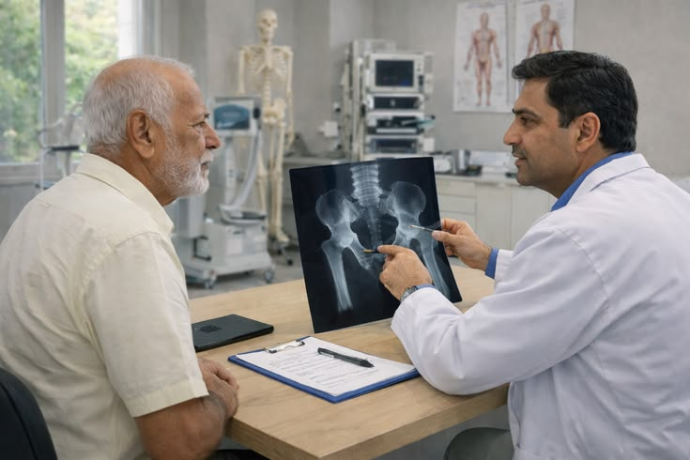
What Should You Expect From a Treatment Plan?
A treatment plan should give you a clearer understanding of what is being recommended and why.
Depending on your condition, it may include:
- The recommended treatment
- Instructions relevant to your daily activities
- Medication when appropriate
- Further investigations when required
- Follow-up arrangements
- Information about changes that should be reported
If any part of the plan is unclear, ask your doctor before making changes yourself.
When Should You Seek Urgent Medical Attention?
Some musculoskeletal problems require prompt medical assessment.
Seek urgent medical attention when symptoms are severe, sudden or rapidly worsening, particularly following a significant injury or when normal movement or function is suddenly affected.
If you believe you may be experiencing a medical emergency, seek appropriate emergency medical care rather than waiting for a routine orthopaedic appointment.
Orthopaedic Care in Sholinganallur, OMR
For patients looking for orthopaedic consultation in Sholinganallur and the OMR area, the hospital’s location can be an important practical consideration.
Tulips Multispeciality Hospital is located at:
OMR–ECR Link Road Toll, 13, 2nd, Doraiswamy Street, Sholinganallur, Tamil Nadu 600119, India
Patients can contact the hospital to enquire about an Orthopaedic consultation with Dr. Arun Kumar K.V.
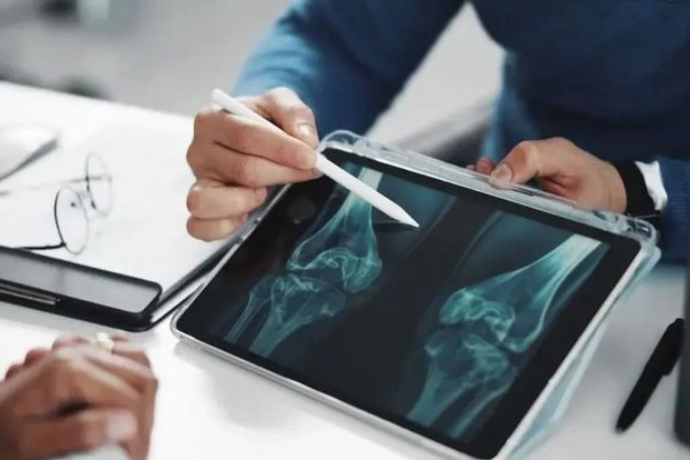
What Makes a Good Orthopaedic Consultation?
A useful consultation should help answer three basic questions:
What is happening?
Your symptoms and examination findings help the doctor understand the problem.
What do we need to do next?
Further investigation, treatment or observation may be recommended depending on the findings.
What should I watch for?
Understanding follow-up requirements and symptoms that need further attention can help you manage your care more confidently.
The specific answers will vary according to each patient’s condition.
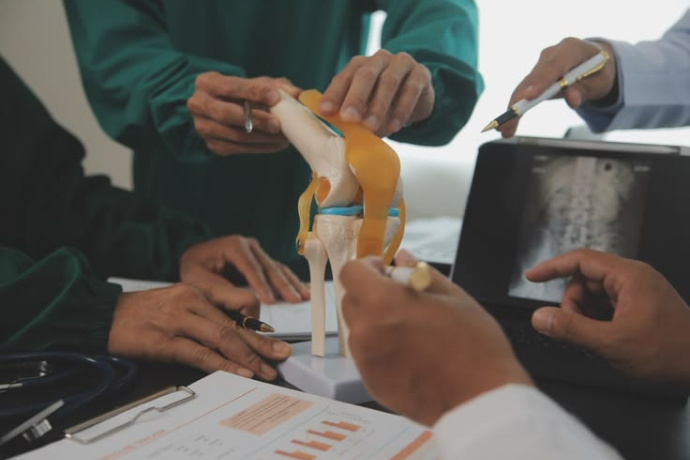
A Simple Checklist Before You Visit
If you are preparing for an orthopaedic consultation, remember:
- Write down your main concern
- Note when it started
- Mention whether an injury occurred
- Record any changes in movement
- Bring relevant reports and imaging
- Carry current medication information
- Tell the doctor about previous treatment
- Prepare questions about diagnosis and treatment
This simple preparation can help you make better use of your appointment.
Frequently Asked Questions
What does an orthopaedic doctor do?
An orthopaedic doctor evaluates and manages problems affecting the musculoskeletal system, including bones, joints, muscles, ligaments and tendons. The appropriate evaluation or treatment depends on the patient's symptoms, medical history, examination findings and, when necessary, investigations.
When should I see an orthopaedic doctor?
Consider an orthopaedic consultation when pain, stiffness, swelling, restricted movement or another musculoskeletal symptom persists, worsens or interferes with your normal activities. Symptoms following an injury may also require medical assessment.
What happens during an orthopaedic consultation?
The doctor generally discusses your symptoms and medical history before performing an appropriate physical examination. Previous reports may be reviewed, and imaging or other investigations may be recommended when clinically necessary.
Do I need an X-ray for joint pain?
Not necessarily. Imaging is recommended when it can provide useful information for evaluating the suspected problem. The need for an X-ray or another investigation depends on your symptoms, examination findings and clinical situation.
Can joint pain occur without an injury?
Yes. Musculoskeletal symptoms can develop gradually without a specific injury. Persistent pain or stiffness should be assessed according to its duration, pattern, effect on movement and other relevant clinical factors.
Does every orthopaedic problem require surgery?
No. Surgery is not automatically required for every orthopaedic condition or injury. Depending on the diagnosis and individual circumstances, management may involve observation, conservative treatment, further investigation, follow-up or surgery when clinically indicated.
Why can two people with similar joint pain receive different treatment?
Similar symptoms can have different underlying causes. Differences in medical history, examination findings, investigation results, severity and functional limitations can affect the treatment recommended for each patient.
What should I bring to an orthopaedic appointment?
Bring relevant previous X-rays or imaging reports, prescriptions, discharge summaries, records of previous treatment or surgery and current medication information. These can help the doctor understand your medical history and previous care.
How should I prepare for an orthopaedic consultation?
Note when your symptoms began, where they occur, whether an injury caused them, what activities affect them and what treatment you have already tried. Bringing relevant reports and preparing questions can also make the consultation more useful.
What should I ask an orthopaedic doctor?
You can ask what may be causing your symptoms, whether you need investigations, what treatment options are appropriate, whether activity changes are recommended, what recovery may involve and whether follow-up is necessary.
What should I do if my joint pain keeps coming back?
Recurring pain should not simply be ignored. Keep track of when the symptoms occur, what may trigger them, how long they last and whether previous treatment helped. Discuss recurring symptoms with an orthopaedic doctor for appropriate assessment.
When should I seek urgent medical attention for an orthopaedic problem?
Seek prompt medical attention if you experience severe, sudden or rapidly worsening symptoms, particularly after a significant injury or when normal movement or function is suddenly affected. If you believe you have a medical emergency, seek appropriate emergency care rather than waiting for a routine appointment.
Can previous injuries affect current joint or bone problems?
Yes. Previous injuries, surgery and treatment involving the same area can provide important context during an orthopaedic assessment. Tell your doctor about relevant previous problems and bring associated reports when available.
What is the expected recovery time for an orthopaedic problem?
There is no single recovery time for all orthopaedic problems. Recovery depends on the underlying condition, severity, affected body part, treatment and individual health. Your treating doctor can provide guidance based on your specific situation.
Who is the orthopaedic doctor at Tulips Multispeciality Hospital?
Dr. Arun Kumar K.V. is the Orthopaedic Surgeon associated with Orthopaedic care at Tulips Multispeciality Hospital. He holds an MBBS and MS in Orthopaedics and has 20 years of overall experience, including 15 years as a specialist. His medical registration is verified.
Where is Tulips Multispeciality Hospital located?
Tulips Multispeciality Hospital is located at OMR–ECR Link Road Toll, 13, 2nd, Doraiswamy Street, Sholinganallur, Tamil Nadu 600119, India.
Need Orthopaedic Care in Sholinganallur, OMR?
Persistent joint pain, stiffness, movement difficulties or injury-related concerns may benefit from professional assessment.< Patients can consult Dr. Arun Kumar K.V., Orthopaedic Surgeon at Tulips Multispeciality Hospital in Sholinganallur.
Location: OMR–ECR Link Road Toll, 13, 2nd, Doraiswamy Street, Sholinganallur, Tamil Nadu 600119, India Phone: +91 9043 9042 92 | +044 4508 6262 Next step: Contact the hospital to enquire about Orthopaedic consultation availability and appointments.
This page provides general health information for educational purposes and does not replace a medical examination, diagnosis or individualized medical advice. If you have severe, sudden or emergency symptoms, seek appropriate urgent medical attention.