






Chemotherapy is one of the most widely used and powerful treatments in cancer care. It involves the use of strong anti-cancer drugs that destroy or slow the growth of cancer cells. We use chemotherapy at different stages of cancer depending on the type, size, spread, and aggressiveness of the disease.
Rather than being limited to a single stage, chemotherapy plays a role across early-stage, locally advanced, and metastatic cancers. Its purpose changes based on the stage, making it a flexible and critical treatment option.
Chemotherapy in Early-Stage Cancer (Stage 1 and Stage 2)
In early-stage cancer, where the disease is still localized and has not spread far, chemotherapy is often used as a supportive treatment.
1. Adjuvant Chemotherapy (After Surgery)
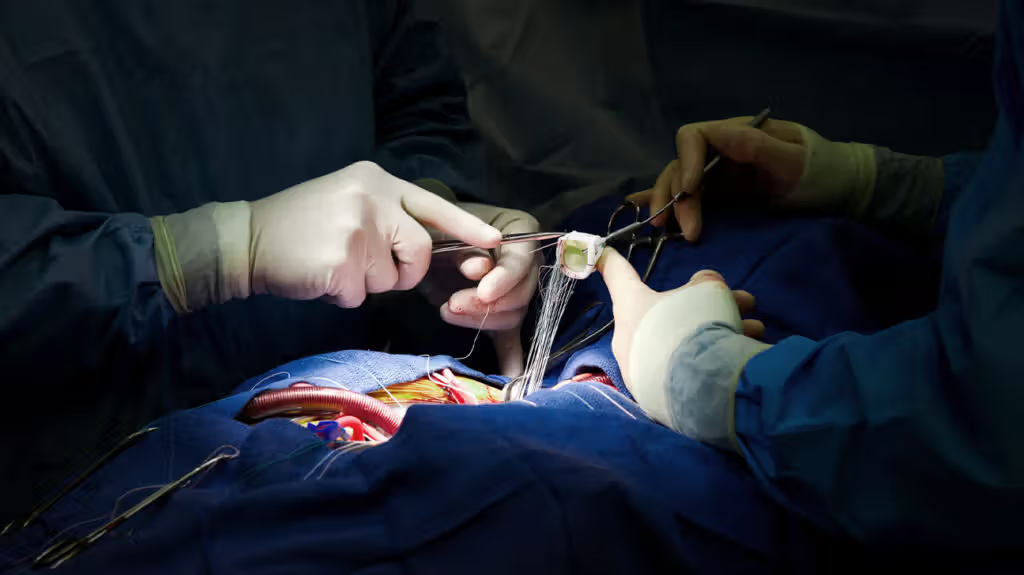
We use chemotherapy after surgery to eliminate any remaining microscopic cancer cells that cannot be seen with imaging.
- Reduces the risk of cancer returning
- Improves long-term survival
- Common in breast, colon, and lung cancers

2. Neoadjuvant Chemotherapy (Before Surgery)
In some cases, we give chemotherapy before surgery to shrink the tumor.
- Makes surgery easier and more effective
- Helps preserve organs
- Allows better surgical outcomes

At this stage, chemotherapy is not always required for all patients. It depends on tumor biology and risk factors.
Chemotherapy in Locally Advanced Cancer (Stage 3)
When cancer has spread to nearby tissues or lymph nodes but not to distant organs, we classify it as locally advanced cancer.
Why Chemotherapy Is Important at Stage 3
At this stage, chemotherapy becomes a primary treatment tool.
- Targets cancer cells that may have spread locally
- Works alongside radiation (chemoradiation)
- Prepares tumors for surgical removal

Combination Therapy Approach
We often combine chemotherapy with:
- Radiation therapy for better local control
- Surgery to remove remaining tumor mass
This multi-modal approach increases treatment success and survival rates.
Chemotherapy in Advanced or Metastatic Cancer (Stage 4)
In stage 4 cancer, the disease has spread to distant organs such as the liver, lungs, or bones. At this stage, chemotherapy plays a central and ongoing role.
Primary Goals of Chemotherapy in Stage 4
- Control cancer growth
- Relieve symptoms (palliative care)
- Extend survival
- Improve quality of life
Continuous or Cyclical Treatment
We may give chemotherapy in cycles over a long period, depending on how the cancer responds.
- Adjusted based on side effects
- Combined with targeted or immunotherapy
- Focused on disease management rather than cure
Chemotherapy remains one of the most effective systemic treatments for advanced cancer.
Chemotherapy Based on Cancer Type
The stage alone does not decide chemotherapy use. We also consider the type of cancer, as each behaves differently.
1. Breast Cancer
- Used in all stages, depending on risk
- Common in both early and advanced cases
- Often combined with hormone therapy
2. Lung Cancer
- Essential in stage 3 and stage 4
- Used with radiation or targeted therapy
3. Colorectal Cancer
- Frequently used in stage 2 and above
- Standard in stage 3 and metastatic disease
4. Blood Cancers (Leukemia, Lymphoma)
- Chemotherapy is the main treatment, even in early stages
- Often aggressive and long-term

Curative vs Palliative Chemotherapy
We use chemotherapy for two major purposes:
Curative Chemotherapy
- Aims to completely eliminate cancer
- Used in early and some locally advanced stages
- Combined with surgery or radiation
Palliative Chemotherapy
- Focuses on symptom relief and life extension
- Used mainly in stage 4 cancer
- Improves comfort and daily functioning
Understanding the goal helps patients prepare for the treatment journey and outcomes.

Factors That Decide When Chemotherapy Is Used
We carefully evaluate several factors before recommending chemotherapy:
1. Cancer Stage
- Early stage: Prevent recurrence
- Advanced stage: Control spread
2. Tumor Size and Location
- Larger or hard-to-remove tumors often need chemotherapy
3. Cancer Aggressiveness
- Fast-growing cancers require immediate chemotherapy
4. Patient Health Condition
- Age, overall health, and organ function affect treatment decisions
5. Genetic and Molecular Markers
- Helps determine how well chemotherapy will work
These factors allow us to create a personalized treatment plan.
How Chemotherapy Is Given
Chemotherapy can be administered in different ways depending on the treatment plan:
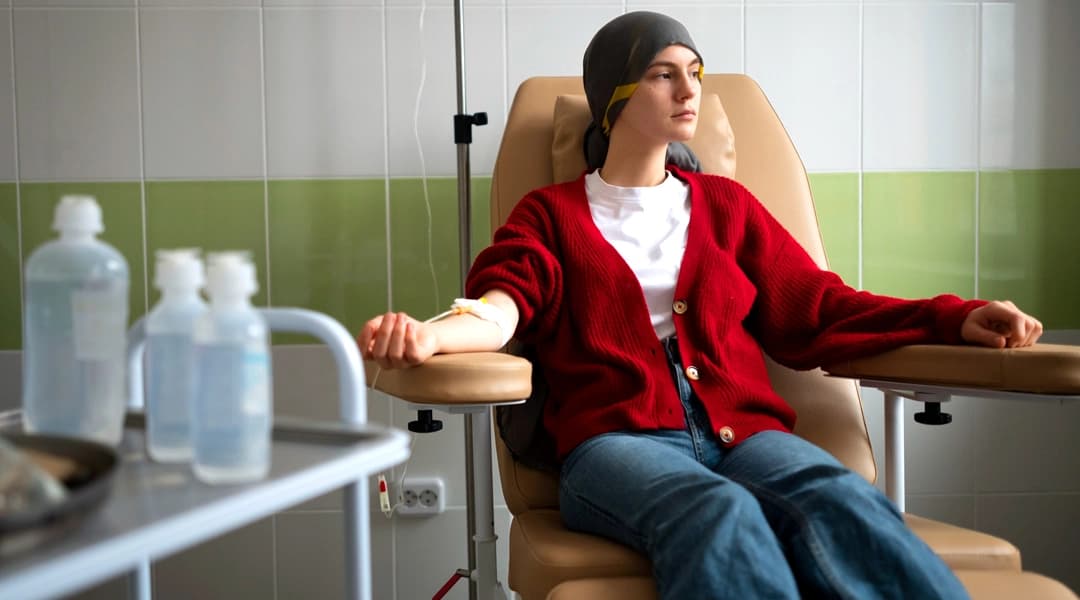
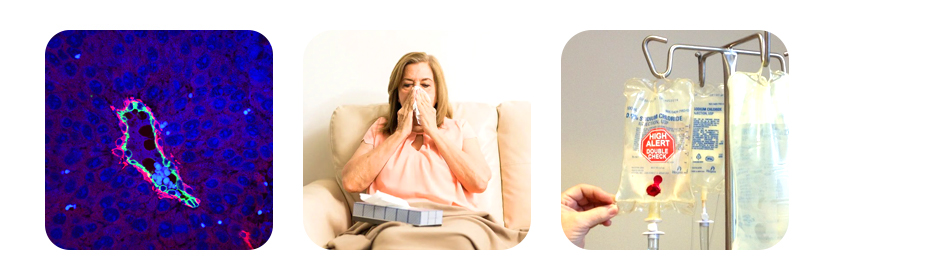
- Intravenous (IV) – most common method
- Oral tablets or capsules
- Injections into muscle or under the skin
- Direct delivery to specific organs

Treatment Cycles
We give chemotherapy in cycles, which include:
- Treatment period
- Rest period for recovery
This approach helps the body recover while still attacking cancer cells effectively.
Side Effects Across Different Stages
Chemotherapy affects both cancer and healthy cells, leading to side effects. These may vary depending on the stage and intensity of treatment.
Common Side Effects
- Fatigue
- Hair loss
- Nausea and vomiting
- Weak immunity
- Loss of appetite
Managing Side Effects
We use supportive care methods to reduce discomfort:
- Anti-nausea medications
- Nutritional support
- Growth factor injections
- Regular monitoring
Modern advancements have made chemotherapy more manageable and safer than before.
Advancements in Chemotherapy
Recent developments have improved how chemotherapy is used across all stages:
1. Targeted Chemotherapy
- Focuses on specific cancer cells
- Reduces damage to healthy tissues
2. Combination Therapies
- Used with immunotherapy or targeted drugs
- Enhances overall effectiveness
3. Personalized Medicine
- Tailored treatment based on genetic testing
These innovations have increased survival rates and improved patient outcomes significantly.
Conclusion:
Chemotherapy is not limited to one stage of cancer. We use it in:
- Early stages to prevent recurrence
- Stage 3 to control and shrink tumors
- Stage 4 to manage symptoms and prolong life
Its role changes based on the stage, type of cancer, and patient condition, making it a versatile and essential treatment option in modern oncology.
By using chemotherapy strategically at the right stage, we can maximize treatment success, improve survival, and enhance quality of life for cancer patients.