





Patient Profile
- Gender: Male
- Age: 60 years
- Location: Dubai Resident
- Diagnosis: Multiple Large Bladder Stones
- Comorbidities: Diabetes Mellitus, Hypertension
- Symptoms: Recurrent urinary tract infections, frequent urination, painful urination (dysuria), and high-grade fever with chills for over a year
- Procedure Done: Supra Pubic Bladder Lithotripsy

- Surgeon: Dr. Neelakandan, Urologist (Gold Medalist, AIIMS)
- Date of Surgery: Not specified
- Post-Surgery Outcome: Discharged within 48 hours; patient returned to Dubai with complete symptom relief.
How Did the Condition Develop?
Mr. Sathish, a 60-year-old man living in Dubai, experienced recurrent urinary tract infections (UTIs) over the past year. He reported symptoms like:
- Frequent urge to urinate
- Burning sensation during urination
- High-grade fever with chills
- General discomfort and fatigue
Despite symptomatic treatments abroad, his condition persisted, leading him to seek expert care at our facility in Chennai.
Upon clinical examination and imaging tests, he was diagnosed with multiple large bladder stones:
- Largest stone: 3 cm x 4 cm
- Second stone: 3 cm x 3 cm
- Third stone: 2 cm x 2 cm
- Many other small fragments
What Are Bladder Stones?
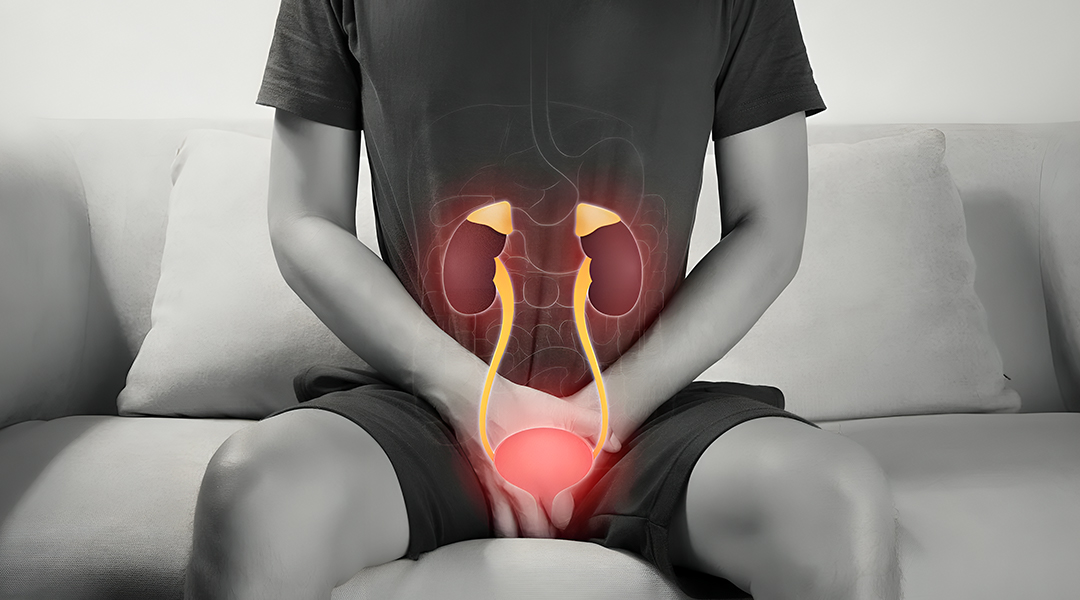
Bladder stones are hard masses of minerals that form in the bladder when it doesn’t empty. They can lead to:
- Recurrent UTIs
- Urinary obstruction
- Blood in urine (hematuria)
- Lower abdominal pain
In patients with diabetes and hypertension, like Mr. Sathish, bladder stone formation and complications can be more severe due to immune suppression and altered urine chemistry.
Surgical Management: Supra Pubic Bladder Lithotripsy
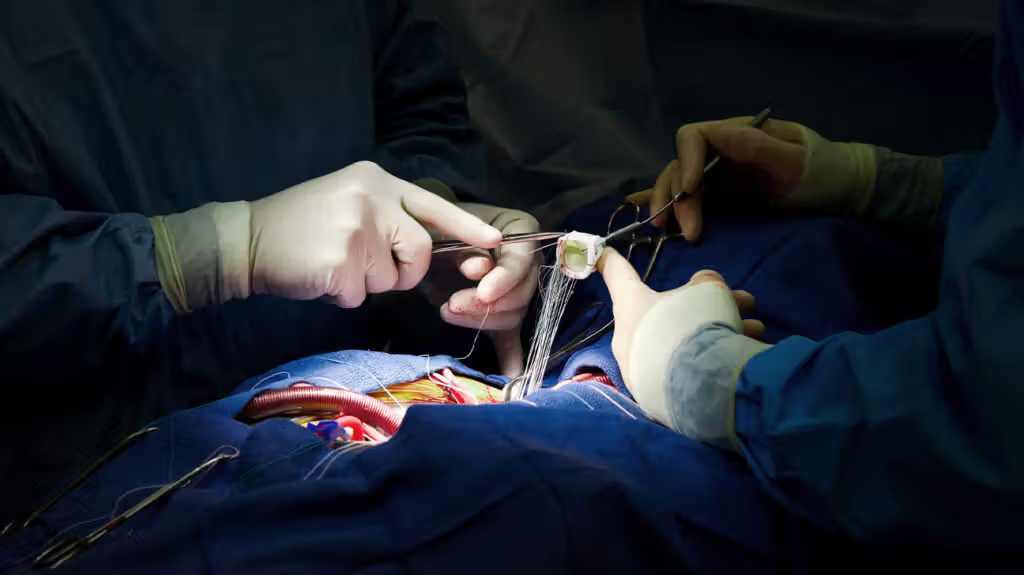
The expert urology team led by Dr. Neelakandan (AIIMS Gold Medalist) recommended Supra Pubic Bladder Lithotripsy – a minimally invasive surgical procedure where stones are accessed and removed through a small incision made in the lower abdomen, just above the pubic bone.
Step-by-Step Procedure Overview
Pre-Surgical Evaluation:
- Blood sugar and blood pressure stabilization
- Basic tests and micro-stegalin (likely referring to microbiological & urological screening)
- Imaging (Ultrasound & X-ray/KUB) to map stone size and position
Surgical Procedure:
- Under spinal or general anesthesia
- A small suprapubic incision was made to access the bladder
- Fragmentation (lithotripsy) performed
- Around 20–25 stone pieces were carefully extracted
Post-Surgery Management:
- Catheter placement and bladder irrigation to clear any residual fragments
- Antibiotics and pain relief administered
- Close monitoring for bleeding, infection, or urine flow issues
Discharge & Follow-Up:
- Mr. Sathish recovered well and was discharged in just 48 hours
- No post-operative complications
- The patient flew back to Dubai and is currently doing well
Why This Case Was Special
- Long-term Infection: Chronic UTIs often hide underlying issues like bladder stones, especially in elderly diabetic males.
- Multiple Comorbidities: The combination of diabetes and hypertension increases surgical risks.
- Successful Recovery: Prompt diagnosis, excellent surgical technique, and strict post-op care led to full recovery.
Takeaway Message
This case highlights how chronic urinary infections can be a sign of a deeper urological issue. If you experience persistent symptoms despite antibiotics or treatment, it’s essential to get evaluated by a specialist urologist.
Thanks to the skillful hands of Dr. Neelakandan, Mr. Sathish received life-changing care and is now free from pain and infection.
Tips to Prevent Bladder Stones
- Stay hydrated — drink at least 2-3 liters of water daily
- Avoid holding urine for long periods
- Get regular check-ups if you have diabetes or hypertension
- Watch for signs like burning urination, blood in urine, or frequent UTIs
FAQs:
- What causes bladder stones?
Bladder stones form when the bladder doesn’t empty fully. Causes include enlarged prostate, infections, or neurological conditions. - Is bladder stone surgery safe?
Yes. Modern techniques, such as suprapubic lithotripsy, are safe, especially when performed by experienced urologists. - Can the stones come back?
They can, especially if underlying issues (e.g., incomplete bladder emptying) persist. Preventive care and follow-ups are key.