
Neurology Hospital in Sholinganallur, OMR for Comprehensive Neurological Care
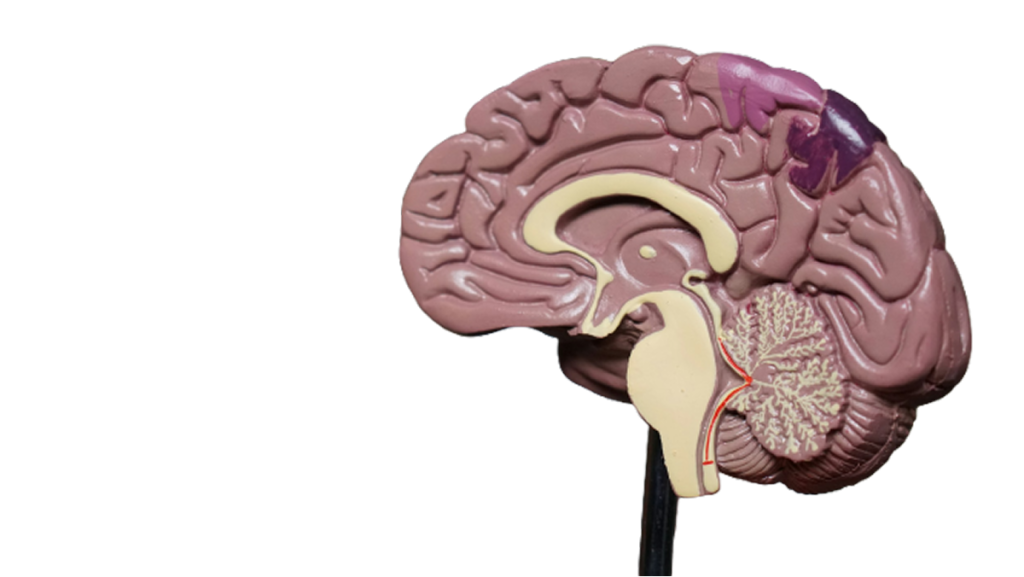
Neurological health involves the brain, spinal cord and nerves that help control movement, sensation, thinking, coordination and many other functions of the body. Neurological problems can appear in different ways, from recurring headaches or changes in movement to seizures, stroke-related symptoms or changes in cognitive function.
At Tulips Multispeciality Hospital in Sholinganallur, OMR, Neurology care includes assessment and management of neurological conditions, with hospital information describing support for epilepsy, headaches, movement disorders, stroke and cognitive conditions. The hospital also describes emergency neurological care, diagnostic support and rehabilitation services.
Patients can consult Dr. Paraneetharan, Neurosurgeon, who has 15+ years of experience. He holds MBBS, MCh – Neuro Surgery and MRCS qualifications, with medical registration verified.
What Does Neurology Care Cover?
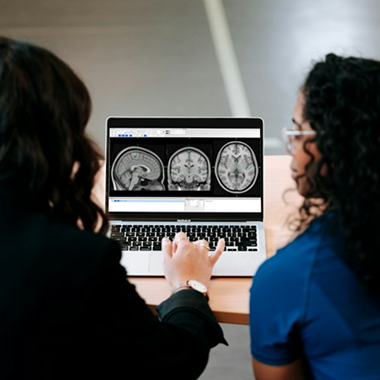
Neurology is the medical specialty concerned with conditions affecting the nervous system, including the brain, spinal cord and nerves. Neurological care may involve understanding symptoms, performing a neurological assessment, using appropriate diagnostic investigations and determining suitable treatment or follow-up.
The type of care required depends on the patient’s symptoms, medical history, examination findings and the condition being evaluated.
What Is the Nervous System?
The nervous system is responsible for communicating information throughout the body and coordinating many important functions.
It includes:
- Brain - involved in thinking, memory, sensation, movement and many other functions
- Spinal cord — carries signals between the brain and much of the body
- Nerves — transmit information between the nervous system and different parts of the body
Because these structures work together, a neurological problem can sometimes produce symptoms in parts of the body that may not seem directly related to the nervous system.
What Neurological Problems Can Be Evaluated?
Tulips’ current Neurology information identifies several areas of neurological care, including:
- Epilepsy
- Stroke
- Headaches
- Movement disorders
- Cognitive conditions
The hospital also describes care for other brain, nerve and spine conditions.
The presence of a particular symptom does not by itself establish which neurological condition is responsible. A specialist assessment is needed to understand the individual situation.
When Should You Consider a Neurological Consultation?
A neurological consultation may be appropriate when a neurological symptom is persistent, recurring, unexplained or affecting normal daily activities.
Depending on the situation, patients may seek assessment for:
- Recurrent or persistent headaches
- Seizure-related concerns
- Changes in movement or coordination
- Changes in sensation
- Cognitive or memory-related concerns
- Symptoms following a neurological event
- Other continuing neurological symptoms
The urgency of assessment depends on the nature of the symptoms. Sudden or severe neurological changes should be treated differently from symptoms that have developed gradually.
How Does a Neurological Consultation Begin?
A neurological consultation generally begins by understanding what the patient is experiencing and reviewing relevant medical history.
The doctor may want to understand:
- What the main symptom is
- When it began
- Whether it developed suddenly or gradually
- How often it occurs
- Whether it has changed
- Whether other symptoms occur alongside it
- Whether previous treatment has been tried
This initial information helps determine what aspects of the nervous system may need closer evaluation.
What Does a Neurological Examination Look At?
A neurological examination focuses on functions of the nervous system that are relevant to the patient’s symptoms.
Depending on the concern, the doctor may assess:
- Movement and strength
- Sensation
- Coordination
- Balance
- Reflexes
- Speech or communication
- Other neurological functions relevant to the patient's symptoms
The examination is individualized. A patient with headaches may not require exactly the same assessment as someone presenting with a movement problem or seizure-related concern.
Why Is the Pattern of a Symptom Important?
The way a neurological symptom develops can provide useful information during assessment.
For example, the doctor may need to understand whether a symptom:
Started suddenly → occurs intermittently → remains continuously → is becoming more frequent → is changing in severity
The timing and progression are therefore important parts of the clinical history.
This is particularly relevant when symptoms occur as separate episodes and the patient may have difficulty recalling exactly what happened during each episode.
What Information Can Help During a Neurological Assessment?
Patients can provide useful information by describing the symptom in their own words.
Try to explain:
- What you noticed first
- When it happened
- How long it lasted
- Whether it has happened before
- What you were doing when it occurred
- Whether anything happened immediately afterward
- Whether another person witnessed the episode
You do not need to identify the condition yourself. Accurate observations are more useful than attempting to provide a medical diagnosis.

Dr. Paraneetharan
Neurosurgeon with 15+ years of experience.
Qualification
- MBBS
- MCh – Neuro Surgery
- MRCS
Professional Information
- Specialty: Neurosurgeon
- Experience: 15+ years
- Medical registration: Verified
Why Consider Tulips Multispeciality Hospital for Neurological Care?
Patients may consider several practical factors when choosing a hospital for neurological care, including the availability of neurological services, diagnostic support and emergency care. .
Neurological Care
Tulips identifies Neurology as one of its hospital departments and describes care for conditions including epilepsy, headaches, movement disorders, stroke and cognitive conditions.
Emergency Neurology
The hospital’s current Neurology page states that neurological emergencies are attended to through the emergency department with neurologist support and describes 24/7 neurology support for emergencies.
Diagnostic Support
Tulips lists neurological diagnostic support including:
- Bedside EEG
- Nerve conduction studies
- CT scan
- MRI
The hospital states that CT and MRI are available in-house.
Stroke Care
Tulips states that thrombolysis is provided for eligible acute ischaemic stroke patients within the appropriate treatment window. Whether a patient is suitable for this treatment depends on clinical assessment and other medical factors.
Rehabilitation Support
The hospital also describes post-treatment rehabilitation programmes intended to support recovery, mobility and quality of life after neurological treatment.

What Neurological Conditions Can Be Evaluated?
Neurological care covers conditions that can affect the brain, spinal cord and nerves. At Tulips Multispeciality Hospital, the documented Neurology service includes care related to:
- Epilepsy
- Stroke
- Headaches
- Movement disorders
- Cognitive conditions
The hospital also describes neurological care for other brain, nerve and spine-related problems. The appropriate evaluation depends on the patient’s individual symptoms and clinical findings.
How Are Headaches Evaluated?
Headaches can vary considerably in their pattern and severity. A neurological assessment looks beyond the presence of pain to understand how the headache behaves.
The doctor may ask about:
- When the headaches began
- How frequently they occur
- How long they last
- Where the pain occurs
- Whether the pattern has changed
- Whether other symptoms occur with the headache
- Whether previous treatment has helped
A persistent headache or a significant change from your usual pattern may warrant professional assessment.
How Are Seizures and Epilepsy Evaluated?
Evaluation of seizure-related symptoms focuses on understanding what happened before, during and after an episode.
The doctor may ask:
- What the person was doing before the episode
- Whether there was any warning sensation
- What movements or changes were observed
- How long the episode appeared to last
- What happened after the episode
- Whether similar episodes occurred previously
- Whether any treatment has already been received
If another person witnessed the event, their description can be particularly helpful.
Further investigation may be recommended when clinically appropriate.
What Is an EEG and When Is It Used?
An electroencephalogram (EEG) records electrical activity in the brain and can provide information that may assist in evaluating certain neurological problems, including some seizure-related concerns.
Tulips’ Neurology information lists bedside EEG among its diagnostic services.
An EEG is not automatically required for every patient with a neurological symptom. The decision depends on the clinical assessment and the information the doctor needs.
How Is Stroke Evaluated?
Stroke requires urgent medical assessment because some treatments are time-sensitive.
The medical team may need to establish:
- What symptoms have appeared
- When the symptoms started or when the person was last known to be well
- What neurological findings are present
- Whether brain imaging is required
- What type of stroke may be involved
- Whether emergency treatment is appropriate
Tulips’ Neurology service describes emergency stroke care and thrombolysis for eligible acute ischaemic stroke patients within the appropriate treatment window.
Eligibility for thrombolysis cannot be determined from symptoms alone and requires medical assessment.
What Are Movement Disorders?
Movement disorders involve changes in the way a person moves or controls movement.
A patient may notice:
- Tremor
- Unusual or involuntary movements
- Changes in coordination
- Difficulty controlling particular movements
- Changes in walking or other movement patterns
The same movement symptom can occur in different conditions, so the pattern and progression need to be assessed rather than assuming a diagnosis from one symptom.
Tulips identifies movement disorders among the conditions addressed through its Neurology service.
What Are Cognitive Conditions?
Cognitive concerns can involve changes in functions such as memory, thinking or attention.
During assessment, the doctor may consider:
- What change was noticed
- When it began
- Whether it is progressing
- How it affects everyday activities
- Other symptoms occurring at the same time
- Relevant medical history
Cognitive changes can have different causes, so an appropriate assessment is important before deciding what they represent.
Tulips lists cognitive conditions among the neurological problems addressed through its service.
What Is a Neurological Examination?
A neurological examination assesses functions of the nervous system that are relevant to the patient’s concern.
Depending on the situation, the doctor may examine:
- Muscle strength and movement
- Sensation
- Coordination
- Balance
- Reflexes
- Speech and communication
- Other relevant neurological functions
The examination is tailored to the patient’s symptoms rather than using exactly the same assessment for everyone.
When Are Nerve Conduction Studies Used?
Nerve conduction studies assess how electrical signals travel through peripheral nerves and may help evaluate certain problems involving nerve function.
Tulips currently lists nerve conduction studies among its neurological diagnostic services.
Whether the investigation is appropriate depends on the symptoms and findings from the clinical assessment.
When Might a CT Scan Be Used?
A CT scan produces images that can help doctors evaluate certain conditions involving the brain and other structures.
In neurological care, the decision to use CT may depend on:
- The nature of the symptoms
- How quickly they developed
- Clinical examination findings
- The suspected condition
- Whether urgent imaging is required
- Relevant medical history
Tulips identifies CT among its in-house diagnostic support for neurological care.
When Might an MRI Be Used?
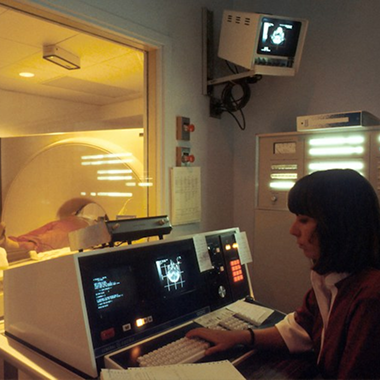
MRI uses magnetic fields and radio waves to produce detailed images and may provide useful information when evaluating certain neurological conditions.
The decision to request an MRI depends on what the doctor needs to investigate.
Relevant factors may include:
- Symptoms
- Clinical examination
- Previous investigation results
- Suspected neurological condition
- The specific information required
Tulips lists MRI among its in-house diagnostic facilities.
Do Neurological Symptoms Always Require a Scan?
No. A scan is not automatically necessary simply because someone has a neurological symptom.
The doctor first considers the clinical picture and then decides whether imaging or another investigation can provide useful information.
The general decision-making process can be understood as:
Clinical concern → Neurological assessment → Need for investigation → Appropriate test → Interpretation with clinical findings
This avoids treating diagnostic testing as a one-size-fits-all process.
What Is the Difference Between Neurology and Neurosurgery?
Neurology and neurosurgery are related but different specialties.
Neurology
- Focuses primarily on the medical evaluation and management of neurological disorders
- May involve neurological assessment, medical treatment and monitoring
- Uses clinical assessment and diagnostic investigations
- Includes maternal healthcare throughout pregnancy and delivery
Neurosurgery
- Focuses on surgical evaluation and treatment of conditions involving the nervous system
- May involve determining whether a surgical approach is appropriate
- Uses clinical assessment, imaging and other information when considering surgical treatment
A patient may need one specialty or, depending on the condition, input from both.
When Might a Neurosurgeon Be Consulted?
A neurosurgical consultation may be considered when the patient’s condition requires assessment for a possible surgical approach involving the brain, spine or nervous system.
The decision depends on:
- The underlying condition
- Symptoms and their severity
- Examination findings
- Imaging or other investigation results
- Previous treatment
- Overall medical circumstances
Being referred to a neurosurgeon does not mean that surgery is automatically required.
How Does a Neurosurgeon Decide Whether Surgery Is Appropriate?
Surgery is considered only when the clinical situation supports it.
The doctor may review:
- The diagnosis or suspected condition
- Symptoms and their impact
- Physical examination findings
- Relevant imaging
- Previous treatments
- Potential benefits and limitations of surgical management
- The patient's overall medical condition
The final decision should be based on individual clinical assessment rather than on symptoms alone.
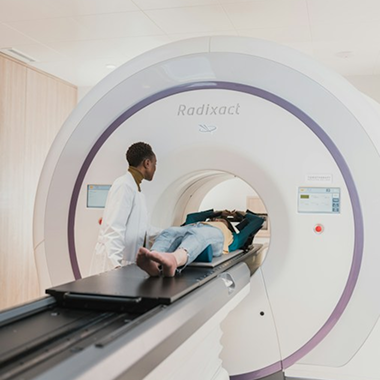
How Does Treatment Differ Between Neurological Conditions?
There is no single treatment approach that applies to every neurological problem.
Management may differ according to:
- The underlying condition
- Severity
- Duration
- Symptoms
- Examination findings
- Investigation results
- Previous treatment
- Other health conditions
Depending on the situation, the doctor may recommend medical treatment, monitoring, further investigation, surgical assessment or another appropriate approach

What Does Stroke Thrombolysis Mean?
Thrombolysis is a treatment that may be used in selected cases of acute ischaemic stroke to help restore blood flow by dissolving a blood clot.
It is not suitable for every person with stroke.
Tulips states that thrombolysis is available for eligible acute ischaemic stroke patients within the appropriate treatment window.
Eligibility requires urgent medical assessment, including consideration of the patient’s symptoms, timing and relevant investigations.
What Diagnostic Support Is Available at Tulips?
The hospital’s current Neurology information identifies several diagnostic services:
- Bedside EEG
- Nerve conduction studies
- CT
- MRI
These investigations serve different clinical purposes and are used according to the patient’s individual requirements.
Why Can Two Patients With the Same Neurological Symptom Receive Different Care?
A symptom does not necessarily identify the underlying condition.
Two people with headaches, movement changes or sensory symptoms may have different:
- Medical histories
- Examination findings
- Underlying causes
- Investigation results
- Treatment histories
For this reason, neurological management needs to be based on individual assessment rather than comparison with another patient’s experience.
What Happens When the Diagnosis Is Not Immediately Clear?
Some neurological symptoms may require additional information before the doctor can determine the most appropriate management.
Depending on the situation, the next step may involve:
- Further clinical assessment
- Additional investigation
- Review of previous reports
- Observation over time
- Follow-up consultation
The absence of an immediate diagnosis does not mean that the concern should be ignored. The appropriate next step depends on the clinical circumstances.
How Can You Prepare for a Neurology Appointment?
A little preparation can make it easier to explain your concern clearly. You do not need to identify the condition yourself before meeting the doctor.
Before your appointment, consider noting:
- Your main symptom or concern
- When you first noticed it
- How often it occurs
- How long an episode lasts, if symptoms occur in episodes
- Whether the symptoms have changed
- Any treatment already received
- Medicines you are currently taking
- Questions you want to discuss
If another person has witnessed an episode, their description may also be useful during the consultation.
What Medical Records Should You Bring?
Relevant previous records can help the doctor understand what has already been investigated or treated.
Depending on your situation, useful records may include:
- CT or MRI reports
- EEG reports, when applicable
- Nerve conduction study reports, when applicable
- Relevant laboratory reports
- Previous prescriptions
- Hospital discharge summaries
- Previous specialist consultation records
- Current medication details
You do not need to bring every medical document you have. Focus on records connected to your current neurological concern.
What Should You Tell the Doctor About a Recurring Episode?
When symptoms occur as separate episodes, the details surrounding each episode can be useful.
Try to remember:
- What you were doing before it happened
- How the episode started
- What you experienced during it
- How long it appeared to last
- Whether anyone else observed it
- How you felt afterward
- Whether a similar episode has happened before
For some conditions, a person’s own memory of an episode may be incomplete. Information from someone who witnessed it can therefore add useful context.
What Questions Can You Ask During Your Consultation?
A consultation should give you an opportunity to understand the problem and the recommended next step.
You may ask:
- What could be causing these symptoms?
- Do I need any further investigations?
- Why is this particular test being recommended?
- What will the test help determine?
- What management options are available?
- What are the possible benefits and limitations of the recommended approach?
- Do I need follow-up?
- What changes should prompt me to seek medical attention sooner?
You do not need to understand medical terminology beforehand. Ask the doctor to explain anything that is unclear.
What Happens After the Neurological Assessment?
A little preparation can make it easier to explain
The next step depends on the findings from the consultation.
You may be advised to:
- Continue observing the symptoms
- Complete recommended investigations
- Review existing test results
- Begin or continue appropriate treatment
- Return for follow-up
- Seek another specialist assessment when clinically appropriate
Not every consultation leads to an immediate treatment decision. Sometimes the doctor needs additional information before deciding what should happen next.
Why Can Follow-Up Be Necessary?
Some neurological problems need to be assessed over time rather than from a single consultation.
Follow-up may help the doctor understand:
- Whether symptoms have improved
- Whether symptoms have returned or changed
- How you are responding to treatment
- What an investigation result means in the context of your symptoms
- Whether the existing management plan needs to be reconsidered
The timing of follow-up depends on the individual condition and the doctor’s recommendation.
What Should You Track Between Appointments?
If you have been advised to monitor your symptoms, keep a simple record rather than relying entirely on memory.
Depending on your condition, you may record:
- Date and time of an episode
- Duration
- Main symptoms
- Other symptoms occurring at the same time
- Activities or circumstances around the episode
- Medicines taken
- Changes after treatment
For recurring neurological symptoms, a consistent record can help communicate changes more accurately at the next appointment.
Why Should You Not Change Your Neurological Medicine on Your Own?
Neurological medicines are prescribed according to the individual’s condition and circumstances.
Changing, stopping or starting medication without medical guidance may not be appropriate.
If you are concerned about:
- Side effects
- Whether the medicine is helping
- The dose
- How long you need to take it
- A new symptom after starting treatment
Discuss the concern with your treating healthcare professional before making changes.
Can You Use a Family Member's Neurological Medicine?
No. A medicine prescribed for another person should not be assumed to be suitable for you.
The appropriate medicine can depend on:
- The underlying condition
- Other medicines being taken
- Existing health conditions
- Previous treatment
- Clinical findings
- Individual response to medication
Even when two people appear to have similar symptoms, their treatment may be different.
What Can Recovery Look Like After a Neurological Problem?
Recovery depends on the underlying condition and the individual patient.
Factors that may influence recovery include:
- Type of neurological problem
- Severity of the condition
- Timing of appropriate treatment where relevant
- Overall health
- Response to treatment
- Functional effects of the condition
- Rehabilitation needs
There is therefore no single recovery timeline that applies to every neurological condition.
When Can Rehabilitation Be Part of Care?
Some neurological conditions can affect movement, coordination or other functions needed for everyday activities.
When rehabilitation is appropriate, it may form part of the broader recovery process alongside medical or surgical care.
Tulips’ Neurology information describes rehabilitation support as part of its neurological services.
The type and duration of rehabilitation depend on the patient’s condition and functional requirements.
When Should You Seek Emergency Neurological Care?
Sudden or severe neurological symptoms should be assessed urgently rather than waiting for a routine specialist appointment.
Seek emergency medical attention if there is a sudden major change such as:
- Weakness or numbness
- Difficulty speaking or understanding speech
- Sudden difficulty walking or maintaining balance
- Significant sudden vision changes
- A sudden change in consciousness
- Other severe or rapidly developing neurological symptoms
These symptoms can have different causes, but some are medical emergencies.
What Should You Do If You Suspect a Stroke?
Seek emergency medical care immediately. Do not wait for symptoms to improve or for a routine neurology appointment.
If possible, note:
- When the symptoms were first noticed
- When the person was last known to be well
- What changes occurred
- Whether the symptoms are continuing or changing
The medical team can then perform the necessary emergency assessment and determine whether stroke treatment is appropriate.
Tulips’ Neurology information describes emergency stroke care and thrombolysis for eligible acute ischaemic stroke patients within the appropriate treatment window.
Why Is the Timing of Stroke Symptoms Important?
Stroke treatment can be time-sensitive.
The medical team may need to establish:
Last known well → Emergency assessment → Clinical examination → Appropriate imaging → Treatment decision
The patient’s eligibility for a particular treatment depends on medical assessment and cannot be determined from an online symptom description alone.
What Should Families Know About Neurological Emergencies?
A person experiencing a sudden neurological change may not be able to clearly describe what happened.
Family members or bystanders can help by:
- Noticing when the change began
- Observing what symptoms appeared
- Providing the medical team with an accurate description
- Bringing relevant medication information when possible
- Avoiding delays caused by attempting home diagnosis
When symptoms are severe or sudden, obtaining emergency medical care is more important than trying to identify the condition independently.
Frequently Asked Questions
What does a neurosurgeon do?
A neurosurgeon evaluates and treats conditions involving the brain, spine, nerves and related structures when surgical care may be appropriate. A consultation does not automatically mean that surgery will be required.
What neurological problems can be evaluated at Tulips Multispeciality Hospital?
Tulips' Neurology information identifies epilepsy, stroke, headaches, movement disorders and cognitive conditions among the areas of care. The hospital also describes diagnostic, emergency and rehabilitation support.
When should I see a neurology doctor?
Consider seeking neurological assessment when symptoms involving movement, sensation, coordination, headaches, seizures, cognition or other neurological functions persist, recur or interfere with daily activities. Sudden or severe neurological symptoms should be assessed through emergency medical care.
What happens during a neurological consultation?
The doctor first discusses the patient's symptoms and relevant medical history. An appropriate neurological examination may then be performed, followed by investigations when clinically necessary.
Does every neurological symptom require an MRI?
No. MRI is not required for every neurological complaint. The decision depends on the symptoms, clinical examination and the information the doctor needs to obtain.
What is an EEG used for?
An EEG records electrical activity in the brain and may provide useful information when evaluating certain neurological problems, including some seizure-related concerns.
What are nerve conduction studies used for?
Nerve conduction studies assess how electrical signals travel through peripheral nerves. They may be recommended when the doctor needs to evaluate nerve function.
What is the difference between a neurologist and a neurosurgeon?
A neurologist primarily evaluates and medically manages neurological disorders, while a neurosurgeon evaluates conditions where surgical treatment involving the nervous system may be appropriate. Depending on the condition, patients may require one specialty or input from both.
Does seeing a neurosurgeon mean I need surgery?
No. A neurosurgical consultation is an assessment. The doctor considers the condition, symptoms, examination findings and relevant investigations before deciding whether surgery is appropriate.
Is stroke an emergency?
Yes. Sudden neurological changes that may indicate stroke require immediate medical assessment. Treatment options can depend on the type of stroke, timing, imaging findings and the patient's medical circumstances.
What are possible warning signs of stroke?
Possible warning signs include sudden weakness or numbness, sudden difficulty speaking or understanding speech, sudden vision changes, sudden difficulty walking or maintaining balance and other major neurological changes. If these occur suddenly, seek emergency medical care.
What should I do if someone suddenly develops stroke symptoms?
Seek emergency medical attention immediately. If possible, note when the symptoms were first noticed or when the person was last known to be well. Do not wait for a routine specialist appointment.
Does Tulips Multispeciality Hospital provide emergency neurological care?
Tulips' Neurology information describes neurological emergencies being attended through the emergency department and states that 24/7 neurology support is available for emergencies.
Does Tulips provide thrombolysis for stroke?
Tulips states that thrombolysis is available for eligible acute ischaemic stroke patients within the appropriate treatment window. Whether this treatment is appropriate must be determined by the emergency medical team after assessment.
What should I bring to a neurology appointment?
Bring relevant previous medical reports, scan reports, EEG or nerve conduction study results where applicable, prescriptions, discharge summaries and a current list of medicines.
How can I prepare for a neurology consultation?
Note your main symptoms, when they began, how often they occur and whether their pattern has changed. Bring relevant reports and prepare any questions you want to discuss with the doctor.
Can I take someone else's neurological medicine?
No. A medicine prescribed for another person may not be appropriate for you. Medication decisions depend on the individual's diagnosis, medical history, other medicines and clinical circumstances.
How long does neurological recovery take?
Recovery varies according to the underlying condition, its severity, treatment, overall health and response to care. Some patients may also require rehabilitation depending on how the condition affects their function.
When should I seek urgent neurological care?
Seek urgent medical attention for sudden, severe or rapidly worsening neurological symptoms, particularly sudden weakness, numbness, speech difficulty, major balance problems, significant changes in consciousness or other symptoms suggestive of stroke.
Where is Tulips Multispeciality Hospital located?
Tulips Multispeciality Hospital is located at OMR–ECR Link Road Toll, 13, 2nd, Doraiswamy Street, Sholinganallur, Tamil Nadu 600119, India.
Need Neurological Care in Sholinganallur, OMR?
If you have a persistent or recurring neurological concern, a professional assessment can help determine the appropriate next step.
At Tulips Multispeciality Hospital, patients in Sholinganallur and OMR can enquire about neurological and neurosurgical consultations.
Consultation Information
Hospital: Tulips Multispeciality Hospital
Doctor: Dr. Paraneetharan
Specialty: Neurosurgeon
Experience: 15+ years
Qualifications: MBBS, MCh – Neuro Surgery, MRCS
Medical registration: Verified
Address: OMR–ECR Link Road Toll, 13, 2nd, Doraiswamy Street, Sholinganallur, Tamil Nadu 600119, India
Phone: +91 9043 9042 92
+044 4508 6262
Medical Disclaimer: This page provides general health information for educational purposes. It does not replace a medical examination, diagnosis or individualized medical advice. If you or someone with you develops sudden, severe or rapidly worsening neurological symptoms, seek appropriate emergency medical care immediately.