
Dermatologist in Sholinganallur, OMR for Skin, Hair & Nail Care

Skin, hair, and nail concerns can affect people at every stage of life. Some problems may be temporary and improve with basic care, while others may persist, recur, or gradually change without proper evaluation.
A dermatologist helps identify the possible cause of these concerns and recommends appropriate care based on the patient’s symptoms, medical history, skin type, and overall health.
At Tulips Multispeciality Hospital, dermatology care in Sholinganallur, OMR focuses on evaluating skin, hair, and nail concerns with a patient-centred approach. The goal is to understand the underlying problem rather than simply treating the visible symptom.
Quick Answer: What Does a Dermatologist Treat?
A dermatologist is a medical specialist who evaluates conditions affecting the skin, hair, and nails.
You may benefit from a dermatology consultation if you experience:
- Persistent skin rashes
- Itching, dryness, or irritation
- Acne and recurring breakouts
- Changes in skin colour or texture
- Excessive or unexplained hair loss
- Scalp-related problems
- Changes in the appearance or health of the nails
- New or changing skin spots or growths
- Skin problems that repeatedly return
- Concerns that do not improve with self-care
Similar symptoms can sometimes have different causes. Professional evaluation can help determine what may be contributing to the problem and what type of care may be appropriate.
What Is Dermatology?
Dermatology is the medical specialty concerned with the evaluation, diagnosis, treatment, and management of conditions affecting the skin, hair, and nails.
The skin can respond to many different factors, including infections, inflammation, allergies, hormonal changes, environmental exposure, medications, and certain underlying health conditions.
Hair and nail changes can also occur because of local conditions or broader health factors. For this reason, dermatology assessment involves more than simply looking at the visible symptom.
A dermatologist considers the patient’s history, how the condition developed, associated symptoms, possible triggers, previous treatments, and findings during examination.
When Should You See a Dermatologist?
When a Skin Problem Persists
A rash, itching, dryness, acne, scaling, or other skin change that does not settle as expected may require medical assessment.
When the Same Problem Keeps Returning
Repeated flare-ups may indicate that the underlying cause has not been addressed. A dermatologist can assess the pattern and determine the appropriate next step.
When a Skin Change Looks Different
Changes in the appearance of a spot, growth, patch, or lesion may need professional evaluation, particularly when there are noticeable changes in size, colour, shape, or symptoms.
When Symptoms Affect Your Daily Life
Persistent itching, discomfort, visible skin changes, or hair loss can affect sleep, work, confidence, and everyday activities. These concerns should not simply be ignored.
When Self-Care Is Not Helping
Over-the-counter products and home remedies may not be suitable for every skin condition. Repeatedly changing products or using unsuitable treatments can sometimes irritate the skin further.
How Does a Dermatologist Evaluate a Skin Problem?
A dermatology consultation generally begins with a detailed discussion about the patient’s concern.
The dermatologist may ask:
- When did the problem begin?
- Has it become better or worse?
- Is it associated with itching, pain, burning, scaling, or other symptoms?
- Are there any known triggers?
- Has the same problem occurred before?
- What creams, cosmetics, medicines, or hair products are currently being used?
- Are there any relevant medical conditions or changes in general health?
The affected skin, scalp, hair, or nails can then be examined based on the patient’s concern.
If additional evaluation is appropriate, the dermatologist can determine what investigations may be useful.
Why Can Skin Problems Be Difficult to Self-Diagnose?
Different dermatological conditions can sometimes look similar, especially during their early stages.
For example, itching may occur with dryness, inflammation, allergy, infection, or several other conditions. Similarly, hair loss may have different contributing factors depending on its pattern, duration, scalp condition, medications, hormonal factors, nutritional status, and general health.
This is why treating a skin problem based only on its appearance may not always address the actual cause.
A dermatologist can assess the clinical features and distinguish between possible causes before recommending an appropriate management approach.
Dermatology Care at Tulips Multispeciality Hospital
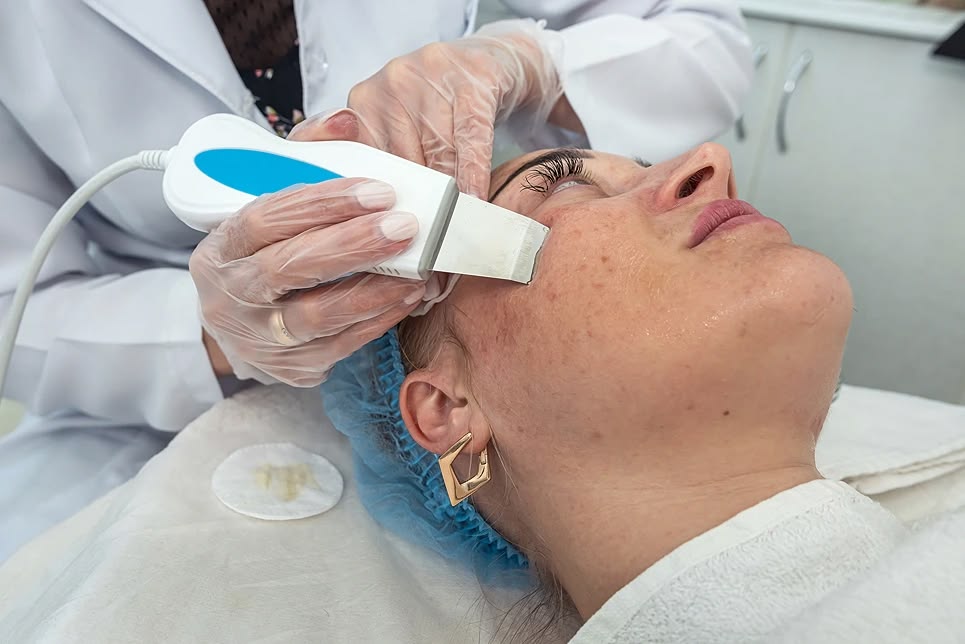
Dermatology care is provided within a multispeciality hospital environment, which can be helpful when a patient’s skin, hair, or nail concern needs to be considered alongside other aspects of their health.
The consultation approach may include:
- Understanding the patient's primary concern
- Reviewing relevant medical history
- Discussing previous treatments
- Examining the affected area
- Identifying possible contributing factors
- Deciding whether further evaluation is required
- Developing an appropriate care plan
- Advising follow-up when continued assessment is needed
The treatment approach is individualised according to the patient’s condition rather than applying the same solution to every dermatological problem.

Meet Dr. Saranya
Dermatology
Dr. Saranya
- 15+ years
- Dr. Saranya provides dermatology care for patients with concerns involving the skin, hair, and nails. With 15+ years of experience, her consultations focus on understanding the patient's concern, evaluating the clinical presentation, and guiding appropriate care.
- A dermatology consultation can be particularly useful when a concern is persistent, recurrent, changing, or not improving with self-care.

What to Expect During Your First Dermatology Consultation
Your first consultation is an opportunity to explain what you have noticed and understand the possible next steps.
It can help to remember:
- When the problem started
- How it has changed over time
- Any symptoms occurring along with it
- Previous treatments or products you have tried
- Current medicines
- Previous episodes of a similar problem
- Known allergies or relevant medical history
You do not need to know the diagnosis before visiting a dermatologist. A clear description of your symptoms and their progression can help the doctor during the clinical assessment.
A Practical Reminder
Avoid starting, stopping, or combining prescription medicines for a skin or scalp concern without appropriate medical advice. If a problem persists or repeatedly returns, a professional dermatology evaluation can help identify the appropriate next step.
Dermatology Services, Diagnosis & Treatment
Dermatology covers a wide range of conditions involving the skin, hair, scalp, and nails. The right treatment depends on the type of condition, how long it has been present, its severity, and whether it is recurring or associated with other health factors.
Common Skin Conditions Managed by Dermatology
Acne and Breakouts
Acne can occur because of increased oil production, blocked pores, inflammation, hormonal influences, and other contributing factors. It may appear as blackheads, whiteheads, pimples, or deeper inflammatory lesions.
Treatment depends on the type and severity of acne. A dermatologist may recommend topical medicines, oral medicines, or a combination of approaches when appropriate.
Early and appropriate management can also help reduce the risk of persistent marks and scarring.
Eczema and Dermatitis
Eczema and dermatitis can cause dryness, redness, itching, scaling, or irritation. Different forms may have different triggers, including irritants, allergens, environmental factors, or an individual’s skin barrier response.
Identifying possible triggers and choosing suitable skin care and medical treatment can help control symptoms and reduce flare-ups.
Fungal Skin Infections
Fungal infections can affect areas such as the skin folds, feet, groin, scalp, or other parts of the body.
Because some fungal infections can resemble other skin conditions, treatment should ideally be based on an appropriate clinical assessment rather than assuming every itchy or scaly rash is fungal.
Allergic and Irritant Skin Reactions
Skin may react to cosmetics, personal-care products, medicines, metals, chemicals, plants, or other substances.
A dermatologist can assess the pattern and history of the reaction and help identify potential triggers. Management may involve avoiding the suspected trigger along with appropriate medical treatment.
Psoriasis
Psoriasis is a chronic inflammatory skin condition that can cause well-defined, scaly patches on the skin. It can follow a fluctuating course, with periods of improvement and flare-ups.
Management is selected according to the extent and severity of the condition and the areas affected.
Hair and Scalp Concerns
Hair loss is not a single condition. It can occur in different patterns and may be associated with hereditary factors, hormonal changes, nutritional issues, illness, stress, medications, scalp conditions, or other causes.
A dermatologist evaluates the pattern of hair loss, its duration, scalp findings, medical history, and other relevant factors before determining the next step.
Scalp concerns such as persistent itching, scaling, inflammation, or excessive shedding may also require evaluation when they do not improve with routine care.
Nail Problems
Changes in the nails can include:
- Discolouration
- Thickening
- Brittle or splitting nails
- Changes in nail shape
- Pain or swelling around the nail
- Separation of the nail from its bed
- Recurrent nail infections
Nail changes can have several possible causes, so identifying the underlying problem is an important part of dermatology assessment.
How Are Dermatological Conditions Diagnosed?
Diagnosis begins with the patient’s history and clinical examination.
Depending on the presentation, further evaluation may sometimes be considered. The need for additional testing depends on what the dermatologist observes and the condition being investigated.
Possible diagnostic approaches can include:
Clinical Examination
Many skin conditions can be assessed by carefully examining their location, pattern, colour, texture, distribution, and associated symptoms.
Dermoscopic Assessment
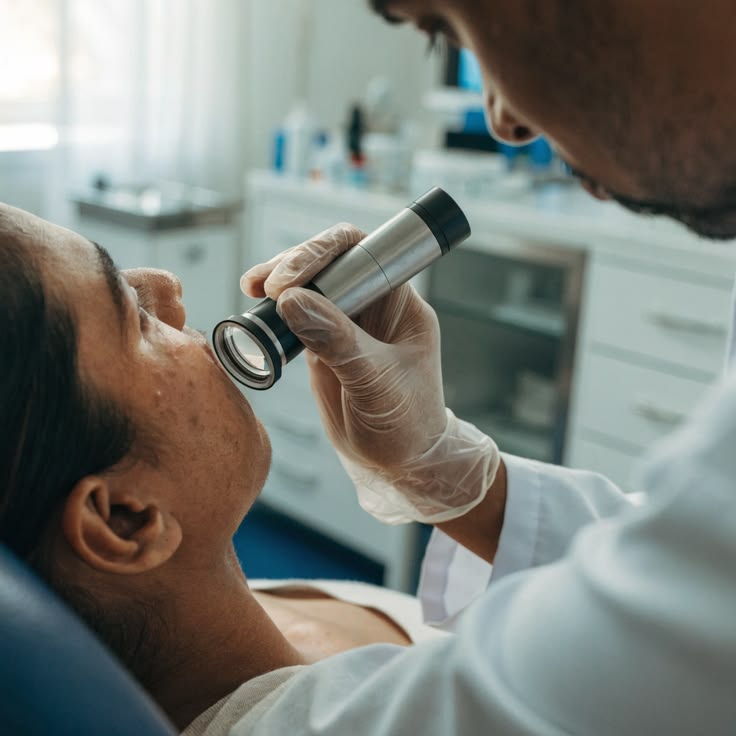
A dermatoscope can provide magnified visual assessment of selected skin lesions and may help a dermatologist examine features that are not easily visible to the naked eye.
Laboratory or Other Testing
When the clinical findings indicate a need for further investigation, appropriate tests may be considered to clarify the diagnosis or identify contributing factors.
Not every patient needs testing. Investigations should be selected according to the clinical situation.
How Is Dermatology Treatment Decided?
Treatment is based on the diagnosis and the individual patient’s needs.
Factors that can influence the treatment plan include:
- Type of dermatological condition
- Severity and extent
- Duration of symptoms
- Age and general health
- Previous treatment response
- Possible triggers
- Other medicines or medical conditions
- Whether the condition is recurrent or chronic
This is why a treatment that works for one person’s skin condition may not be appropriate for another person with a similar-looking symptom.
Medical Treatment for Skin Conditions
Depending on the diagnosis, dermatological treatment may involve topical medicines applied directly to the affected area, oral medicines, or other medically appropriate approaches.
The choice of medication depends on the condition and the patient’s circumstances. Some treatments may require monitoring or specific precautions, particularly when used for longer periods.
Patients should follow the prescribed instructions and discuss concerns about side effects or treatment response with their dermatologist rather than changing the treatment independently.
Managing Chronic or Recurrent Skin Conditions
Some dermatological conditions may require ongoing management rather than a one-time treatment.
For chronic or recurring problems, care may involve:
- Confirming the diagnosis
- Identifying factors that may worsen the condition
- Starting an appropriate treatment plan
- Monitoring the response
- Adjusting treatment when clinically necessary
- Continuing preventive skin care where appropriate
The objective is often to control symptoms, reduce flare-ups, protect the skin, and maintain quality of life.
When a Skin Lesion Needs Medical Attention
A new or changing skin lesion should be assessed when there are noticeable changes in:
- Size
- Shape
- Colour
- Border
- Surface
- Symptoms such as bleeding, pain, itching, or repeated irritation
A change does not automatically mean that a lesion is serious. However, unexplained or changing lesions should not be diagnosed solely through photographs, online searches, or self-treatment.

Why Follow-Up Can Matter in Dermatology
Some conditions respond quickly to treatment, while others require time and continued observation.
Follow-up may help the dermatologist determine whether:
- The diagnosis remains consistent with the clinical course
- Symptoms are improving
- Treatment needs adjustment
- A recurring trigger needs further attention
- Additional evaluation is necessary
For chronic skin, hair, or nail problems, regular follow-up can therefore be an important part of long-term management.
Your Dermatology Care Journey
Good dermatology care is not limited to identifying a skin, hair, or nail problem. Understanding what happens before, during, and after a consultation can help patients approach treatment with realistic expectations and follow the care plan more effectively.
Before Your Dermatology Appointment
You do not need to prepare extensively for a routine dermatology consultation. However, a few simple steps can make it easier to explain your concern clearly.
Make a Note of Your Symptoms
Think about:
- When you first noticed the problem
- Whether it has improved, worsened, or remained unchanged
- Whether symptoms appear continuously or come and go
- Any itching, pain, burning, scaling, or sensitivity
- Whether the problem affects one area or several areas
If the concern has changed over time, describing that progression can be particularly useful.
List Your Current Medicines and Products
Make a note of medicines, creams, ointments, cosmetics, skincare products, shampoos, hair treatments, or other products you are currently using.
This can help the dermatologist understand whether a product or medication could be relevant to the problem.
Mention Previous Treatment
If you have already consulted another doctor or tried treatment, tell the dermatologist what was used and whether it helped.
Do not stop a prescribed medicine simply because you are attending a new consultation unless a doctor advises you to do so.
Questions You Can Ask Your Dermatologist
Patients should feel comfortable asking questions about their diagnosis and treatment.
Useful questions include:
- What could be causing this problem?
- Is the condition temporary or likely to recur?
- What should I expect from the recommended treatment?
- How should I use the prescribed medicine?
- Are there products or activities I should avoid?
- When should I expect to notice improvement?
- What should I do if symptoms become worse?
- Will I need a follow-up consultation?
- Are there warning signs that should prompt an earlier review?
Understanding the treatment plan can make it easier to follow the recommended care consistently.
Following Your Dermatology Treatment Plan
Many dermatological treatments require consistent use. Applying a medicine irregularly or stopping it as soon as symptoms improve may affect the treatment outcome for some conditions.
Follow the instructions provided by your dermatologist regarding:
- How much medicine to use
- Where to apply it
- How frequently to use it
- How long to continue it
- Whether it should be used before or after other products
- When to return for review
If you experience an unexpected reaction or have difficulty following the treatment plan, discuss it with your doctor rather than making major changes independently.
What Happens During a Dermatology Consultation?
A dermatology consultation generally involves several steps.
Understanding Your Concern
The doctor first discusses the problem and learns how it began and how it has progressed.
Reviewing Relevant History
Your medical history, medicines, previous treatments, allergies, and other relevant factors may be discussed depending on the complaint.
Examination
The affected skin, scalp, hair, or nails are examined according to the concern.
For certain problems, the dermatologist may also need to look at other areas of the skin to understand the overall pattern.
Discussing the Findings
The dermatologist explains the likely clinical assessment and whether additional evaluation may be useful.
Planning Care
Treatment or further investigation is recommended according to the condition, its severity, and the patient’s individual circumstances.
Everyday Skin Care During Treatment
The appropriate skin-care routine depends on the underlying condition and the treatment being used.
In general, patients with sensitive or irritated skin may benefit from avoiding unnecessary product changes and excessive exposure to known irritants.
Depending on your condition, your dermatologist may advise you about:
- Cleansing routines
- Moisturisation
- Sun protection
- Cosmetic or skincare product selection
- Hair and scalp care
- Avoiding known triggers
- Measures to reduce irritation
There is no single skincare routine that is suitable for every patient. Recommendations should be adapted to the individual’s skin and medical condition.
What If the Condition Does Not Improve?
Not every dermatological problem improves immediately. Some conditions require continued treatment, while others may need reassessment if the expected response does not occur.
Contact your treating doctor or seek a review if:
- Symptoms continue despite following treatment
- The condition becomes noticeably worse
- New symptoms develop
- A skin lesion changes unexpectedly
- You experience a significant reaction to treatment
- The problem repeatedly returns
A lack of improvement does not necessarily mean that treatment has failed. The diagnosis, contributing factors, treatment adherence, or treatment approach may need to be reassessed.
When Should a Skin Problem Be Reviewed Urgently?
Some skin-related symptoms should not be ignored.
Seek prompt medical attention for significant or rapidly worsening symptoms, particularly when a skin problem is associated with:
- Rapidly spreading swelling or redness
- Severe pain
- Extensive blistering or skin peeling
- Significant bleeding
- Signs of a serious allergic reaction
- Fever or feeling significantly unwell alongside a skin infection
- A rapidly changing or concerning skin lesion
For severe symptoms or a medical emergency, seek immediate medical care rather than waiting for a routine dermatology appointment.
Caring for Children and Older Adults
Skin can behave differently at different stages of life.
Children may develop skin problems associated with infections, allergies, irritation, or other age-related conditions. Older adults may experience changes related to ageing skin, medications, chronic illnesses, or reduced skin barrier function.
For both groups, treatment should be selected according to age, health status, symptoms, and the specific diagnosis rather than using adult treatments or previously prescribed medicines without medical advice.
Maintaining Long-Term Skin Health
Good dermatological care also involves understanding your own skin and recognising changes early.
Helpful habits may include:
- Following the skincare plan recommended for your skin
- Avoiding known irritants or triggers
- Using sun protection when appropriate
- Not picking or repeatedly irritating affected areas
- Taking persistent symptoms seriously
- Seeking medical advice when a new or changing concern does not settle
For recurring conditions, knowing what tends to trigger flare-ups can also help with long-term management.
A Patient-Centred Approach to Dermatology
Every patient’s skin, hair, and nail concerns are different. The purpose of a dermatology consultation is to understand the individual problem, assess the clinical findings, and determine the most appropriate next step.
Whether the concern is new, persistent, recurrent, or changing, timely evaluation can help patients move from uncertainty toward a clearer and more appropriate care plan.

Why Choose the Right Dermatology Care?
Skin concerns are often visible, but the underlying cause may not always be obvious. Choosing medical evaluation instead of repeatedly self-treating an unexplained problem can help patients understand what they are dealing with and what steps may be appropriate.
At Tulips Multispeciality Hospital, patients can access dermatology care within a multispeciality healthcare environment. When clinically relevant, a patient’s dermatological concern can also be considered alongside other aspects of their general health.
The focus remains on appropriate evaluation, individualised treatment, clear communication, and follow-up when required.
Frequently Asked Questions
What does a dermatologist do?
A dermatologist evaluates and manages medical conditions affecting the skin, hair, scalp, and nails. The consultation may involve understanding symptoms, examining the affected area, identifying possible causes, and recommending appropriate treatment or further evaluation.
Should I see a dermatologist for persistent itching?
Yes. Persistent or recurring itching can have several possible causes, including dryness, inflammation, allergy, infection, or other skin conditions. A dermatology consultation can help identify the likely cause.
Can a dermatologist help with hair loss?
Yes. Hair loss can have different causes and patterns. A dermatologist can assess the pattern and duration of hair loss, examine the scalp, review relevant medical history, and determine whether further evaluation or treatment is appropriate.
When should I get a mole or skin spot checked?
A new or changing skin spot should be medically assessed, particularly if there are noticeable changes in its size, shape, colour, border, or symptoms such as bleeding, pain, or persistent itching.
Is every itchy or scaly rash a fungal infection?
No. Several conditions can cause itching, redness, or scaling and may look similar. A dermatologist can assess the clinical pattern and determine whether further evaluation is needed before treatment is selected.
Can acne be treated even after it has been present for a long time?
Yes. Persistent acne can be evaluated by a dermatologist. The appropriate approach depends on the type and severity of acne, the areas affected, previous treatment, and the individual's skin.
Do all dermatology problems require tests?
No. Many skin conditions can be assessed clinically. Additional testing is considered only when the dermatologist believes it will help clarify the diagnosis or guide management.
Can skin problems keep coming back after treatment?
Some dermatological conditions are chronic or recurrent. In such situations, long-term management may involve identifying triggers, controlling flare-ups, following the recommended treatment plan, and attending follow-up consultations when necessary.
Should I stop my skincare products before seeing a dermatologist?
Not necessarily. Bring a list of the products you use and tell the dermatologist about any recent changes. If a particular product appears relevant to your symptoms, the doctor can advise whether it should be stopped or changed.
Can children and older adults see a dermatologist?
Yes. Dermatology care can be appropriate for people of different age groups. Treatment decisions should take the patient's age, health, symptoms, medicines, and specific condition into account.
Dermatologist in Sholinganallur, OMR
Patients looking for dermatology consultation in Sholinganallur, OMR can consult Dr. Saranya, Dermatology, with 15+ years of experience. Tulips Multispeciality Hospital is located on the OMR–ECR Link Road Toll area of Sholinganallur, making it a local option for patients seeking multispeciality medical care.
Location: Tulips Multispeciality Hospital OMR–ECR Link Road Toll, 13, 2nd, Doraiswamy Street, Sholinganallur, Tamil Nadu 600119, India Phone: +91 9043 9042 92 | +044 4508 6262
Book a Dermatology Consultation
If you have a persistent, recurring, changing, or unexplained skin, hair, scalp, or nail concern, consider discussing it with a dermatologist.
Consult Dr. Saranya at Tulips Multispeciality Hospital, Sholinganallur, OMR, for professional dermatology evaluation and appropriate care.
This page provides general health information for educational purposes and does not replace a medical examination, diagnosis or individualized medical advice. If you have severe, sudden or emergency symptoms, seek appropriate urgent medical attention.