
Paediatric Hospital in Sholinganallur, OMR for Comprehensive Child Healthcare

Children’s healthcare needs change as they grow. A concern that may seem minor at one stage of childhood can sometimes need medical assessment when it persists, affects the child’s daily activities or is accompanied by other symptoms.
At Tulips Multispeciality Hospital in Sholinganallur, OMR, parents can consult Dr. Sella Kumaran, a pediatrician with 23 years of overall experience, including 18 years as a specialist. He holds an MBBS and Diploma in Child Health (DCH), with verified medical registration.
Whether your child has a new health concern, symptoms that are continuing, or a problem that is affecting normal activities, a paediatric consultation can help parents understand what may need attention and what the appropriate next step could be.

What Does Paediatric Care Cover?
Paediatric care focuses on the health and medical needs of children from infancy through adolescence. A paediatrician evaluates a child’s symptoms, medical history, physical findings and overall health to determine whether observation, investigation, treatment or follow-up may be appropriate.
Because children are still growing and developing, their healthcare needs can differ according to their age, development, medical history and current symptoms.

What Is Paediatric Care?
Paediatrics is the branch of medicine concerned with the health and medical care of children.
Children are not simply smaller adults. Their bodies, communication abilities and healthcare needs change as they grow. For this reason, a paediatric consultation considers the child’s age and individual circumstances when assessing a health concern.
A paediatric assessment may involve:
- Understanding the child's current symptoms
- Reviewing relevant medical history
- Considering the child's age and developmental stage
- Performing an appropriate physical examination
- Reviewing previous medical reports when relevant
- Deciding whether further investigation is necessary
- Discussing appropriate management and follow-up
The exact approach depends on the reason for the consultation.
What Does a Paediatrician Do?
A paediatrician evaluates health concerns in children and helps determine what assessment, treatment or follow-up may be appropriate.
Parents may consult a paediatrician when they have concerns about:
- A new or persistent symptom
- A change in the child's usual health
- A problem affecting normal activities
- Symptoms that are not improving as expected
- A health concern that parents are unsure how to assess
The doctor considers the child’s symptoms alongside their medical history and examination findings rather than relying on one symptom alone.

Which Children May Need Paediatric Care?
Children may require medical attention at different stages of childhood for different reasons.
A paediatric consultation may be appropriate when:
- A child develops a new health concern
- Symptoms continue or become more noticeable
- A child is having difficulty with normal daily activities because of a health problem
- Parents are concerned about a change in the child's usual behaviour or physical health
- A previous health problem requires reassessment
- Parents are uncertain whether a symptom requires medical attention
The need for consultation depends on the child’s individual circumstances.
What Health Concerns Can a Paediatrician Evaluate?
A paediatrician can assess a child’s health concern based on the symptoms presented and the child’s medical history.
Parents may seek consultation when their child has:
- A persistent or unusual symptom
- A change from their normal state of health
- Symptoms that affect eating, sleeping, playing or other normal activities
- A recurring health concern
- Symptoms that are becoming more frequent or troublesome
- A problem that has not improved as expected
A symptom does not automatically identify its cause. Medical assessment helps determine whether the child needs further evaluation or management.
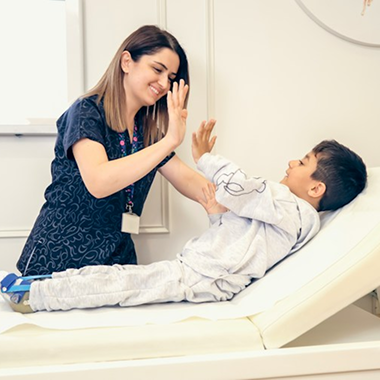
When Should You Take Your Child to a Paediatrician?
Consider consulting a paediatrician when your child’s symptoms persist, worsen, recur or begin affecting normal activities.
It is also reasonable to seek professional advice when you are unsure whether a change in your child’s health needs attention.
Pay particular attention when:
- The child's usual health pattern changes noticeably
- A symptom continues without improvement
- The child appears increasingly uncomfortable
- A recurring problem is becoming more frequent
- The child has difficulty carrying out normal activities because of the concern
- You are unsure whether home observation is appropriate
Parents do not need to determine the diagnosis before seeking medical advice
What Happens During a Pregnancy Consultation?
A pregnancy consultation is more than simply checking whether the pregnancy is progressing. It provides an opportunity to discuss the mother's health, review relevant information and identify any concerns requiring attention.Depending on the individual's circumstances, the consultation may include:
1. Discussing Current Concerns
The doctor may ask about symptoms, changes in health, and any questions you have about the pregnancy.
2. Reviewing Medical History
Previous medical conditions, treatments, surgeries, and relevant pregnancy history may be considered.
3. Assessing Current Health
The doctor may perform appropriate clinical assessments based on the pregnancy and presenting concerns.
4. Reviewing Investigations
Existing reports may be considered, and additional investigations recommended when clinically appropriate.
5. Planning Follow-Up
The doctor may advise when further assessment is needed. Not every pregnancy requires the same follow-up frequency.
Not every pregnancy requires the same investigations or frequency of follow-up. The care plan should be based on the individual pregnancy.
How Does a Paediatrician Assess a Child?
A paediatric assessment usually begins with understanding the child's symptoms and medical history, followed by a physical examination and further investigation when clinically necessary. .
Understanding the Symptoms
The doctor may ask parents when the problem started, how often it occurs and whether it has changed.
Reviewing Medical History
Previous illnesses, treatments, hospital visits and other relevant health information may provide important context.
Considering the Child's Age
The same symptom can have different clinical significance depending on the child’s age and stage of development.
Physical Examination
The doctor may perform an examination appropriate to the child’s presenting concern
Reviewing Previous Reports
If the child has previously undergone relevant investigations or treatment, those records may help the doctor understand the current problem.
Deciding on Further Evaluation
Additional investigations may be recommended when they are clinically useful for understanding the child’s condition.
Not every child with the same symptom needs the same examination or tests.
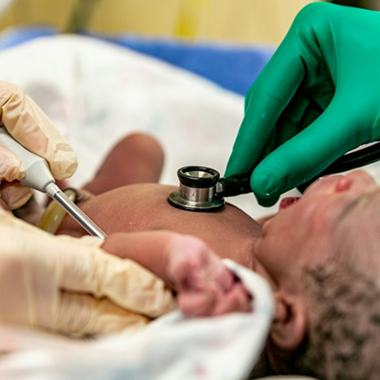
Why Is a Child's Medical History Important?
A child’s current symptoms are only one part of a medical assessment.
Relevant information may include:
- Previous illnesses
- Previous hospital visits
- Earlier treatments
- Current medicines
- Known health conditions
- Previous investigation results
- Relevant family or medical history
This information can help the paediatrician understand whether the current concern is new, recurring or potentially related to an earlier health issue.
What Should Parents Tell the Paediatrician?
Parents often notice changes in a child’s health before the child can explain them clearly.
Try to describe:
- When the problem began
- What you first noticed
- How often it happens
- Whether the symptoms are getting better or worse
- Changes in eating, sleeping or normal activities when relevant
- Any treatment already given
- Medicines currently being taken
- Previous medical concerns
You do not need to use medical terminology. A clear description of what you have observed can be very useful.
What Happens During a Paediatric Consultation?
A paediatric consultation generally focuses on understanding the child’s concern and deciding what should happen next.
Depending on the reason for the visit, the appointment may include:
- Discussion with the parent or caregiver
- Review of the child's medical history
- Discussion of current symptoms
- Appropriate physical examination
- Review of previous reports
- Further investigations when clinically indicated
- Discussion of management
- Follow-up recommendations when required
The exact consultation process can vary according to the child’s age, symptoms and clinical findings.
What Should You Bring to Your Child's Appointment?
Relevant information can make the consultation more useful.
Parents may bring:
- Previous medical reports
- Relevant laboratory or imaging reports
- Previous prescriptions
- Hospital discharge summaries
- Records of earlier treatment
- Current medication details
- Any information specifically requested by the hospital or doctor
You do not need to bring every medical document your child has ever received. Prioritize information related to the current concern.


Dr. Sella Kumaran
Dr. Sella Kumaran is the Pediatrician associated with Paediatric care at Tulips Multispeciality Hospital.
- MBBS
- Diploma in Child Health (DCH)
23 years overall, including 18 years as a specialist
- Medical registration verified
- MBBS from Annamalai University — 2002
- Diploma in Child Health (DCH) from Sri Rama Chandra University, Porur — 2006

Why Consider Tulips Multispeciality Hospital for Paediatric Care?
When choosing healthcare for a child, parents may consider the doctor’s qualifications, relevant specialty and the wider medical setting in which care is provided.
Experienced Paediatric Doctor
Parents seeking paediatric consultation can consult Dr. Sella Kumaran, who has 23 years of overall experience, including 18 years as a specialist, with qualifications in medicine and child health.
Multispeciality Hospital
Tulips Multispeciality Hospital has documented departments including:
- Obstetrics & Gynaecology
- Orthopaedics
- Paediatrics
- Neurology
- General Medicine & General Surgery
- Dermatology
- Cardiology
- ENT
The availability of different specialties can be relevant when a child’s healthcare needs require another medical assessment.
Any additional specialist consultation should be based on the child’s individual medical requirements.
What Should Parents Remember Before Seeking Paediatric Care?
Parents do not need to identify the exact illness before consulting a paediatrician.
The most useful approach is to:
- Observe what has changed
- Note when the symptoms started
- Keep relevant medical records
- Record medicines already given
- Explain the child's usual pattern compared with the current change
- Seek professional advice when the concern persists or becomes significant
Early discussion with a healthcare professional can help parents understand whether observation, investigation, treatment or follow-up may be appropriate.
Why Can Children's Healthcare Differ From Adults' Healthcare?
Children are growing and developing, so their healthcare needs can change with age.
A paediatrician may consider:
- The child's age
- Stage of development
- Current symptoms
- Medical history
- Previous treatment
- Physical examination findings
- Relevant investigation results
This is why parents should not automatically apply adult healthcare advice to children.
How Is a Child's Health Assessed?
A paediatric assessment looks at the child’s current concern in the context of their age, medical history and overall health.
The doctor may consider:
- The main symptoms
- When the symptoms began
- How the symptoms have changed
- The child's previous health history
- Previous treatment or medicines
- Physical examination findings
- Relevant investigation results
This helps the doctor decide whether the concern can be monitored or whether further evaluation or treatment is appropriate.
How Does a Paediatrician Assess a Child's Symptoms?
Children may not always be able to describe exactly what they are experiencing. Parents and caregivers can therefore provide important information about changes they have noticed.
The doctor may ask about:
- The child's usual behaviour
- When the change was first noticed
- How frequently the symptoms occur
- Whether the child is becoming more uncomfortable
- Whether normal activities have been affected
- Any treatment already given
- Previous episodes of a similar problem
The child’s age and ability to communicate are also relevant when interpreting what is observed.
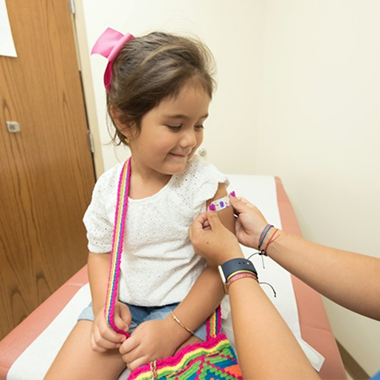
Why Is a Child's Age Important During an Assessment?
A child’s health needs can change considerably as they grow.
The doctor may take age into account when considering:
- Symptoms and their duration
- Physical findings
- Medical history
- Developmental stage
- Previous health concerns
- Appropriate investigations
A symptom should therefore be considered in the context of the individual child rather than compared directly with another child.
What Happens If Your Child Has a Persistent Health Problem?
If a concern continues, the doctor may need to reassess the child rather than assuming that the original cause is unchanged.
Depending on the situation, the next step may involve:
- Reviewing the child's symptoms again
- Repeating or reviewing relevant examination findings
- Considering previous treatment
- Reviewing available medical reports
- Recommending further investigation when clinically appropriate
- Adjusting the management plan when necessary
Persistent symptoms deserve appropriate attention, particularly when they begin affecting the child’s normal activities.
When Might a Child Need Further Tests?
Not every child with a health complaint needs diagnostic testing.
A paediatrician may recommend an investigation when it can provide information that is useful for understanding the child’s condition or deciding on management.
The decision may depend on:
- The child's symptoms
- Duration of the problem
- Medical history
- Physical examination
- Previous investigation results
- The clinical question that needs to be answered
If a test is recommended, parents can ask what it is intended to assess and how the result may influence the next step.
Why Can Two Children With Similar Symptoms Receive Different Care?
Two children can have similar symptoms but different underlying causes or healthcare needs.
The doctor may need to consider differences in:
- Age
- Medical history
- Severity of symptoms
- Physical findings
- Previous treatment
- Investigation results
- Other health factors
Individual assessment helps the doctor determine which approach is appropriate for that particular child.
Should Parents Give Children Medicine Without Medical Advice?
Parents should be cautious about giving medicines to children without appropriate medical guidance.
The suitability of a medicine can depend on factors such as:
- The child's age
- The specific health problem
- Other medicines being taken
- Relevant medical history
- The medicine and dose
- The doctor's assessment
Do not assume that a medicine prescribed for an adult or another child is appropriate for your child.
What Should Parents Tell the Doctor About Medicines?
Tell the paediatrician about medicines your child is currently taking or has recently received
This may include:
- Prescription medicines
- Medicines purchased without a prescription
- Supplements
- Medicines given for the current symptoms
- Any previous treatment that caused a reaction or problem
Accurate medication information helps the doctor consider the child’s current situation more completely.
Why Should Parents Not Share Another Child's Prescription?
A prescription is based on the individual child for whom it was provided.
Another child’s treatment may differ because of:
- Age
- Weight or other individual factors
- Underlying condition
- Medical history
- Other medicines
- Clinical findings
A similar symptom does not necessarily mean the same medicine or dose is appropriate.
What If Your Child Does Not Improve After Treatment?
If your child’s symptoms do not improve as expected, contact the treating healthcare professional for advice.
The doctor may need to consider:
- Whether the symptoms have changed
- Whether the original assessment needs review
- Whether the treatment has been followed as advised
- Whether additional evaluation is needed
- Whether another management approach should be considered
Do not automatically increase, stop or change prescribed treatment without appropriate medical advice.
Why Is Follow-Up Sometimes Necessary?
Follow-up allows the doctor to reassess the child when the condition needs to be observed over time.
A review may be useful for:
- Checking whether symptoms have improved
- Reviewing investigation results
- Assessing the child's response to treatment
- Reconsidering the management plan
- Discussing symptoms that have continued or returned
The need for follow-up depends on the child’s individual situation.
What If Your Child's Symptoms Improve Before Follow-Up?
Improvement is useful information, but whether a planned follow-up is still needed depends on why it was recommended.
If the doctor has specifically advised a review, follow that recommendation or contact the healthcare provider if you are unsure whether the appointment remains necessary.
If the symptoms return or become worse, discuss the change with the appropriate healthcare professional.
What Should Parents Track Between Appointments?
A simple record can help when a child’s symptoms change over several days.
Depending on the concern, parents may note:
- When symptoms occur
- How long they last
- Whether they are becoming more or less frequent
- Changes in the child's normal activities
- Medicines given
- Changes after treatment
- Any new symptoms
The information does not replace medical assessment, but it can make it easier to explain the child’s progress.
How Can Parents Tell the Doctor What Has Changed?
A useful description focuses on the difference between the child’s usual condition and what you are seeing now.
For example, explain:
What was normal before → What changed → When it changed → How it has progressed → What you have already tried
This gives the doctor a clearer timeline and can be more useful than simply saying that the child is “not well.”
Why Should Parents Avoid Comparing Children?
Children can develop differently, and the same symptom may have different meanings in different circumstances.
Comparisons with siblings, friends or information found online may create unnecessary concern or false reassurance.
Instead, consider:
- When symptoms occur
- How long they last
- Whether they are becoming more or less frequent
- Changes in the child's normal activities
- Medicines given
- Changes after treatment
- Any new symptoms
The information does not replace medical assessment, but it can make it easier to explain the child’s progress.
What Should Parents Know About Recovery?
Recovery depends on the child’s condition and the treatment recommended.
Factors that can influence recovery include:
- The underlying health problem
- Severity of symptoms
- Duration of the condition
- The child's overall health
- Treatment provided
- Response to treatment
There is therefore no single recovery timeline that applies to every child with the same symptom.
What Should Parents Do If a Child's Condition Changes Suddenly?
A sudden or significant change in a child’s condition should be taken seriously.
If your child develops severe, sudden or rapidly worsening symptoms, seek prompt medical attention rather than waiting for a routine paediatric appointment.
If you believe your child may be experiencing a medical emergency, seek appropriate emergency medical care immediately.
What Should Parents Avoid Before a Paediatric Consultation?
Before an appointment, avoid trying to establish a diagnosis solely from an online symptom search.
It is also important to avoid:
- Giving another child's prescription
- Changing prescribed treatment without medical advice
- Delaying assessment because symptoms appear similar to a previous illness
- Ignoring symptoms that are worsening or affecting normal activities
Instead, record what you have observed and share relevant information with the paediatrician.
How Can Parents Make a Paediatric Consultation More Useful?
A consultation can be more productive when parents arrive with clear information.
Before the appointment:
- Note the main concern
- Record when it started
- Observe how it has changed
- List medicines already given
- Bring relevant medical reports
- Mention previous similar episodes
- Prepare questions about the recommended care
This helps create a clearer conversation between the parent, child and paediatrician.
When Should Parents Seek Urgent Medical Attention?
Routine paediatric consultations are not appropriate for every situation.
Seek prompt medical attention if your child develops severe, sudden or rapidly worsening symptoms, particularly when there is a significant change in their normal condition.
When you believe there is an emergency, seek appropriate emergency medical care rather than waiting for a scheduled appointment.
What Questions Can Parents Ask About Their Child's Care?
Parents can ask the paediatrician :
- What could be causing my child's symptoms?
- Does my child need any investigations?
- What is the purpose of the recommended test?
- What treatment or management options are appropriate?
- What should I watch for at home?
- When should my child be reviewed?
- Which changes would require earlier medical attention?
Understanding the recommended plan can help parents know what to expect after the consultation.
How Can You Prepare for Your Child's Doctor Visit?
You do not need to know what condition your child has before visiting a paediatrician. A few simple details can help make the consultation more useful.
Before the appointment, try to note:
- What you first noticed
- When the problem started
- How often it occurs
- Whether the symptoms are changing
- Whether your child's normal activities have been affected
- Any medicines already given
- Previous treatment for a similar concern
- Relevant medical reports
This information can help the doctor build a clearer picture of the child’s current health.
What Should You Observe Before the Appointment?
Parents often have the most useful information about how a child’s behaviour or routine has changed.
Depending on the concern, you may observe:
- Changes from the child's usual behaviour
- Changes in normal daily activities
- Whether symptoms occur at particular times
- Whether the problem is becoming more frequent
- Whether anything appears to make the symptoms better or worse
Do not try to interpret these observations as a diagnosis. Their purpose is to help you describe what you have noticed.
How Can You Explain Your Child's Symptoms?
Children may not always be able to describe their symptoms clearly, particularly when they are young.
Instead of trying to use medical terminology, explain what you have actually observed.
A useful description can include:
What changed → When it started → How often it happens → How it has progressed → What you have already done
For example, explain whether the child is behaving differently from usual, whether a particular symptom keeps returning or whether normal activities have become difficult.
What Should You Tell the Paediatrician About Previous Treatment?
If your child has already received treatment, explain what was given and what happened afterward.
Useful information includes:
- The name of the medicine or treatment, if known
- When it was given
- Why it was given
- Whether the symptoms improved
- Whether symptoms returned
- Whether there was any unusual reaction
This helps the doctor understand what has already been tried and avoid making decisions without knowing the relevant history.
What Should You Bring to Your Child's Appointment?
Bring records that relate to the current concern.
These may include:
- Previous medical reports
- Relevant laboratory reports
- Imaging reports when applicable
- Previous prescriptions
- Hospital discharge summaries
- Records of earlier treatment
- Current medication details
If your child has previously been treated for the same problem, those records can provide useful background.
How Can You Help Your Child Feel More Comfortable During a Doctor Visit?
A child may feel uncertain about visiting a doctor, particularly if they have had an unpleasant medical experience before.
Parents can help by:
- Explaining the visit in simple language
- Avoiding frightening descriptions
- Allowing the child to ask questions
- Bringing a familiar comfort item when appropriate
- Remaining calm and reassuring
Asking questions can help prevent confusion after leaving the consultation.
What If You Do Not Understand the Medical Explanation?
It is completely reasonable to ask the doctor to explain something in simpler terms.
You can ask:
“Can you explain what this means for my child?”
You can also ask the doctor to clarify:
- What the main concern is
- What needs to happen next
- Whether an investigation is necessary
- What the recommended treatment is intended to address
- When follow-up is needed
Parents should leave the consultation with a reasonably clear understanding of the next step.

Why Is Communication Between Parents and Doctors Important?
Parents and caregivers often provide information that a young child cannot communicate independently.
Clear communication can help the paediatrician understand:
- What the parent has observed
- How the child's symptoms have changed
- What treatment has already been given
- Whether the child has experienced a similar problem before
- What concerns the parent most
Parents should feel comfortable discussing concerns even when they are unsure whether something is medically significant.
Should Parents Search for a Diagnosis Before the Appointment?
Online information can help parents understand medical terminology, but it should not be used to confirm a child’s diagnosis.
Different childhood conditions can produce similar symptoms.
A safer approach is to:
- Record what you have observed
- Keep relevant medical information
- Discuss your concerns with the paediatrician
- Ask what the doctor thinks needs to be evaluate
- Follow the medical advice provided for your child
This keeps the focus on the child’s individual circumstances.
Why Should Parents Not Compare Their Child With Another Child?
Children can differ in age, development, medical history and general health.
Even when two children appear to have the same symptom, their underlying situations may be different.
Instead of asking whether your child is experiencing exactly what another child experienced, consider:
What is normal for my child → What has changed → How long has it changed → Does it need medical assessment?
This approach is more useful than relying on comparisons.
What Should You Know About Your Child's Recovery?
Recovery depends on the condition being treated and the child’s individual circumstances.
It may be influenced by:
- The underlying problem
- Severity of symptoms
- Duration of the condition
- The child's overall health
- Treatment provided
- Response to treatment
There is no universal recovery timeline that applies to every child.
If the doctor gives specific instructions about follow-up or monitoring, follow those recommendations.
What Should Parents Do If Symptoms Return?
A returning symptom may need reassessment, particularly when it becomes more frequent, severe or disruptive.
If symptoms return, note:
- When they came back
- How long they lasted
- Whether they were different from the previous episode
- Whether your child was able to continue normal activities
- What treatment was given
- Whether the earlier treatment appeared to help
Share this information with the paediatrician rather than automatically repeating previous treatment.
When Should Parents Seek Medical Attention Without Waiting?
Some situations should not be managed by waiting for a routine appointment.
If your child develops severe, sudden or rapidly worsening symptoms, seek prompt medical attention.
If you believe your child may be experiencing a medical emergency, seek appropriate emergency medical care rather than waiting for a scheduled paediatric consultation.
How Can Parents Make Better Decisions About Their Child's Treatment?
Parents may understandably want to choose the quickest solution when their child is unwell. However, the appropriate approach depends on the actual health problem.
Before agreeing to a treatment plan, you can ask:
- What problem is the treatment intended to address?
- Why has it been recommended?
- Are there other appropriate management options?
- What should we expect after treatment?
- Are there important risks or limitations?
- Is follow-up necessary?
This helps parents understand the reasoning behind the recommended care.
Why Is Follow-Up Important for Some Children?
A child’s condition can change after the initial consultation.
Follow-up may allow the doctor to:
- Review whether symptoms have improved
- Assess the response to treatment
- Review investigation results
- Address continuing concerns
- Decide whether the existing management should continue
Not every child needs the same follow-up schedule. The timing should depend on the child’s individual medical situation.
What Should Parents Track Between Appointments?
When monitoring is recommended, a simple record can be useful.
Depending on the concern, note:
- Changes in symptoms
- How frequently they occur
- Changes in normal activities
- Medicines given
- Changes after treatment
- Changes after treatment
- New concerns
A brief timeline can help the doctor understand how the child’s condition has changed since the previous consultation.
What Makes a Paediatric Consultation More Useful?
A productive consultation is not only about receiving treatment. It should also help parents understand the child’s health concern and the recommended next step.
Try to:
- Describe the concern clearly
- Share relevant medical history
- Bring previous reports
- Mention medicines already given
- Ask questions when something is unclear
- Understand the follow-up plan
- Know which changes require further medical attention
This creates a clearer conversation between the parent, child and healthcare professional.

A Simple Checklist for Parents
Before visiting the paediatrician, remember:
- Note the main concern
- Record when it began
- Observe how it has changed
- List medicines already given
- Bring relevant medical reports
- Mention previous treatment
- Prepare questions
- Tell the doctor about any significant change in your child's condition
The goal is not to diagnose the child before the appointment. It is to provide accurate information that helps the doctor assess the situation.
Frequently Asked Questions
What does a paediatrician do?
A paediatrician provides medical care for children and evaluates health concerns according to the child's age, symptoms, medical history and clinical findings. Depending on the situation, the doctor may recommend observation, investigation, treatment or follow-up.
When should I take my child to a paediatrician?
Consider consulting a paediatrician when your child's symptoms persist, worsen, return repeatedly or begin affecting normal activities. You can also seek professional advice when you are unsure whether a change in your child's health requires medical attention.
What happens during a paediatric consultation?
The doctor generally discusses the child's symptoms and relevant medical history before performing an appropriate physical examination. Previous reports may be reviewed, and further investigations may be recommended when clinically necessary.
Does every child need medical tests?
No. Testing depends on the child's symptoms, medical history, physical examination and the clinical question the doctor needs to answer. Investigations are generally recommended when they can provide useful information for assessment or management.
Should I bring my child's previous medical reports?
Yes, when they are relevant to the current concern. Previous prescriptions, laboratory or imaging reports, discharge summaries and records of earlier treatment can help the paediatrician understand the child's medical history.
Can I give my child medicine prescribed for another child?
You should not assume that another child's medicine or prescription is appropriate for your child. Treatment can depend on the child's age, health condition, medical history, current medicines and other individual factors.
Why can two children with similar symptoms receive different treatment?
Similar symptoms can have different causes. A child's age, medical history, examination findings, severity of symptoms and previous treatment can all influence the management recommended by the paediatrician.
What should I tell the paediatrician about my child's symptoms?
Explain what you noticed, when it started, how often it occurs, whether it is changing and whether it affects your child's usual activities. Also mention any treatment already given and previous episodes of a similar problem.
How can I prepare my child for a doctor visit?
Explain the visit using simple and reassuring language. Avoid frightening descriptions and allow your child to ask questions where appropriate. Bringing relevant medical information can also help you focus on the child's health concern during the appointment.
What questions should parents ask a paediatrician?
Parents can ask what may be causing the symptoms, whether investigations are necessary, what the recommended treatment is intended to address, what to expect afterward and whether follow-up is required.
What should I do if my child's symptoms return?
Record when the symptoms returned, how long they lasted, whether they were different from the earlier episode and what treatment was given. Contact the appropriate healthcare professional if the symptoms persist, worsen or require reassessment.
How long does it take for a child to recover?
There is no single recovery period for every childhood health problem. Recovery depends on the underlying condition, its severity, the treatment provided and the child's individual circumstances. The treating doctor can provide guidance based on the child's situation.
When should I seek urgent medical care for my child?
Seek prompt medical attention if your child develops severe, sudden or rapidly worsening symptoms or a significant change in their normal condition. If you believe your child is experiencing a medical emergency, seek appropriate emergency medical care rather than waiting for a routine appointment.
Who is the paediatrician at Tulips Multispeciality Hospital?
Dr. Sella Kumaran is the Pediatrician associated with Paediatric care at Tulips Multispeciality Hospital. He holds an MBBS and Diploma in Child Health (DCH) and has 23 years of overall experience, including 18 years as a specialist. His medical registration is verified. Where is Tulips Multispeciality Hospital located? Tulips Multispeciality Hospital is located at OMR–ECR Link Road Toll, 13, 2nd, Doraiswamy Street, Sholinganallur, Tamil Nadu 600119, India.
Need Paediatric Care in Sholinganallur, OMR?
If your child has a persistent, recurring or concerning health problem, a paediatric consultation can help determine what assessment or care may be appropriate.
At Tulips Multispeciality Hospital, parents can consult Dr. Sella Kumaran for Paediatric care.
Consultation Information
Hospital: Tulips Multispeciality Hospital
Specialty: Paediatrics
Doctor: Dr. Sella Kumaran
Location: OMR–ECR Link Road Toll, 13, 2nd, Doraiswamy Street, Sholinganallur, Tamil Nadu 600119, India
Phone: +91 9043 9042 92
+044 4508 6262
Medical Disclaimer: This page provides general health information for educational purposes and does not replace a medical examination, diagnosis or individualized medical advice. If your child has severe, sudden or emergency symptoms, seek appropriate urgent medical attention.