



Low hemoglobin levels indicate a reduced concentration of hemoglobin, the iron-rich protein in red blood cells responsible for transporting oxygen throughout the body. When hemoglobin levels fall below the normal range, the body’s tissues and organs receive insufficient oxygen, leading to fatigue, weakness, and systemic complications.
Hemoglobin levels vary based on age, sex, and physiological conditions. Generally, normal hemoglobin ranges are:
- Men: 13.8 to 17.2 grams per deciliter (g/dL)
- Women: 12.1 to 15.1 g/dL
- Pregnant women: May have slightly lower normal values
When levels drop below these thresholds, the condition is medically termed anemia, which may result from nutritional deficiencies, chronic diseases, blood loss, or bone marrow disorders.
Primary Causes of Low Hemoglobin Levels
Understanding the root cause is essential for effective management. Low hemoglobin levels commonly arise from the following factors:
1. Iron Deficiency
Iron deficiency remains the most prevalent cause of low hemoglobin worldwide. Iron is essential for hemoglobin synthesis. Without adequate iron intake or absorption, red blood cell production declines.
Common causes of iron deficiency include:
- Poor dietary intake
- Chronic blood loss (heavy menstrual bleeding, gastrointestinal bleeding)
- Pregnancy
- Parasitic

2. Vitamin Deficiencies
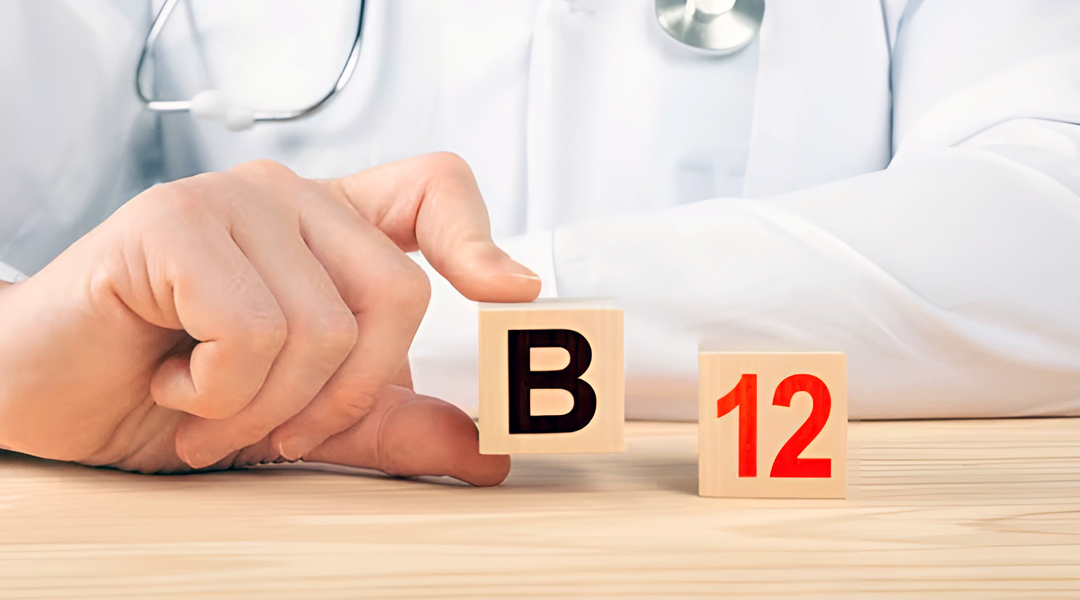
Deficiencies in Vitamin B12 and folate impair red blood cell formation, resulting in megaloblastic anemia. These vitamins are crucial for DNA synthesis in developing red blood cells.
3. Chronic Diseases
Chronic inflammatory conditions can suppress red blood cell production. Disorders such as kidney disease reduce erythropoietin production, a hormone necessary for red blood cell formation.
For example, individuals with chronic kidney disease often require treatment protocols guided by institutions like the National Kidney Foundation to manage anemia effectively.
4. Blood Loss
Acute or chronic blood loss directly lowers hemoglobin levels. This may occur due to:
- Trauma
- Surgical procedures
- Gastrointestinal ulcers
- Hemorrhoids
5. Genetic Disorders
Inherited conditions can affect hemoglobin structure or production. Two notable examples include:
- Sickle Cell Disease
- Thalassemia
These disorders impair red blood cell function and lifespan, leading to chronic low hemoglobin levels.
Common Symptoms of Low Hemoglobin Levels
When hemoglobin drops, oxygen delivery to tissues becomes compromised. Symptoms often develop gradually and may include:
- Persistent fatigue
- Shortness of breath
- Pale skin
- Dizziness or lightheadedness
- Cold hands and feet
- Rapid or irregular heartbeat
- Chest discomfort

Severe cases may cause confusion, fainting, or heart complications due to increased cardiac workload.
Risk Factors for Developing Low Hemoglobin
Certain populations face a higher risk:
- Pregnant women
- Individuals with poor nutrition
- Patients with chronic illnesses
- Vegetarians or vegans without proper supplementation
- Elderly individuals
- People with gastrointestinal disorders affecting absorption

Identifying risk factors enables early intervention and prevention.
How Low Hemoglobin Levels Are Diagnosed
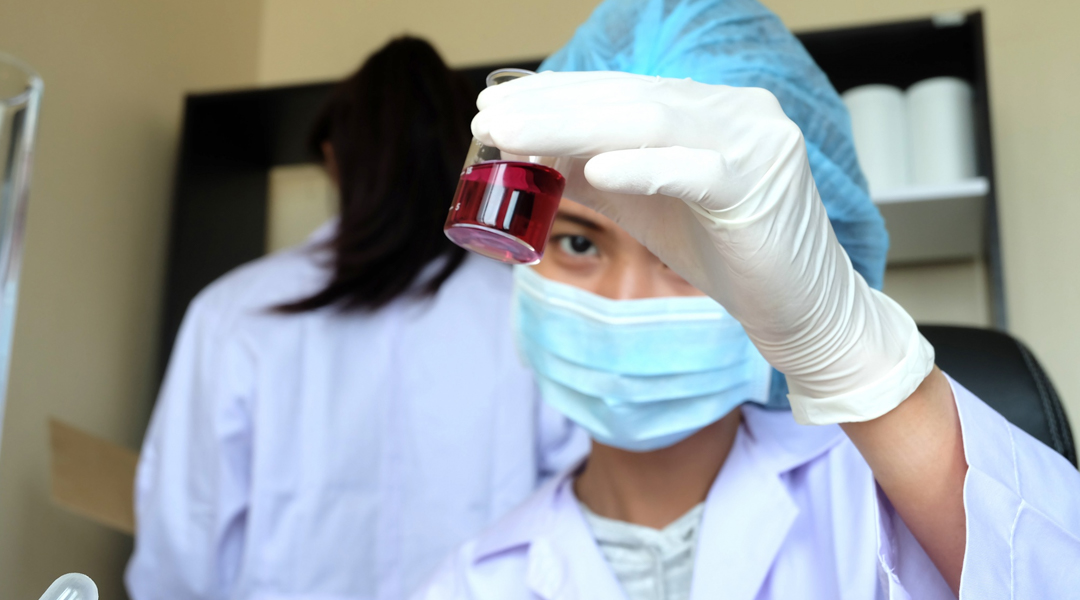
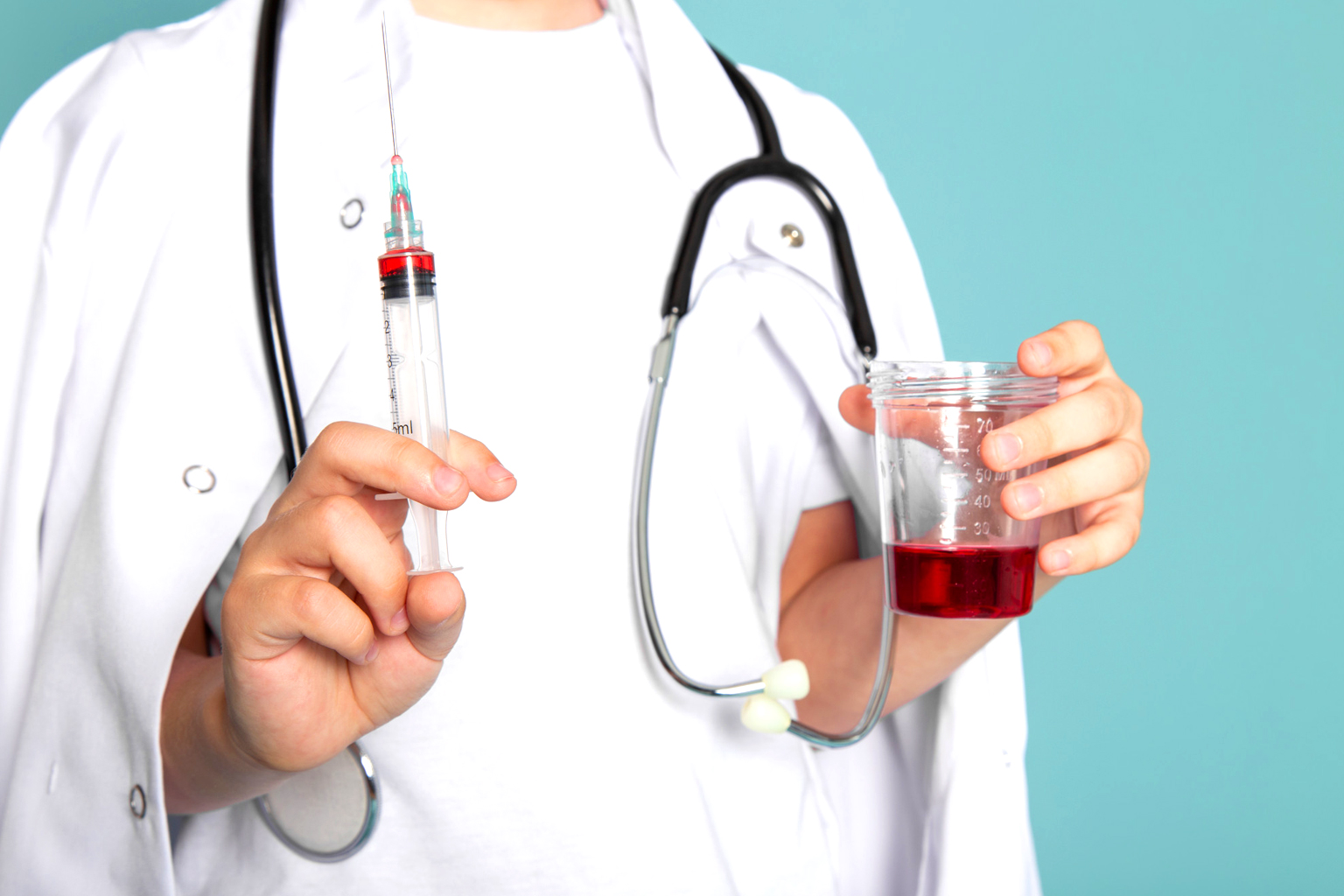
Diagnosis begins with a Complete Blood Count (CBC) test, which measures:
- Hemoglobin concentration
- Hematocrit levels
- Red blood cell count
- Mean corpuscular volume (MCV)
Further tests may include:
- Serum iron studies
- Ferritin levels
- Vitamin B12 and folate levels
- Reticulocyte count
- Bone marrow biopsy (in rare cases)
Accurate diagnosis ensures targeted treatment rather than symptomatic management.
Complications of Untreated Low Hemoglobin
Ignoring low hemoglobin levels can lead to severe consequences:
- Cardiomegaly (enlarged heart)
- Heart failure
- Pregnancy complications
- Delayed growth in children
- Reduced cognitive performance
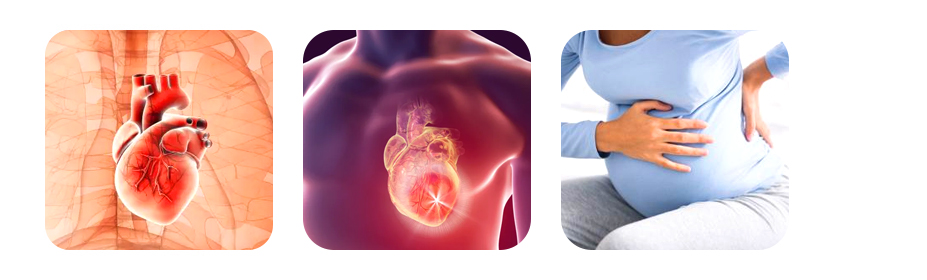
Chronic oxygen deprivation forces the heart to pump harder, increasing cardiovascular strain.
Effective Treatment Options for Low Hemoglobin Levels
Treatment strategies depend on the underlying cause and severity.
1. Iron Supplementation
Oral iron supplements are the first-line treatment for iron deficiency anemia. Ferrous sulfate, ferrous gluconate, and ferrous fumarate are commonly prescribed.
For individuals unable to tolerate oral iron, intravenous iron therapy may be administered under medical supervision.
2. Dietary Modifications
Increasing intake of iron-rich foods significantly improves hemoglobin levels. Recommended foods include:
- Red meat
- Liver
- Spinach
- Lentils
- Beans
- Fortified cereals
Pairing iron-rich foods with vitamin C enhances absorption.
3. Vitamin Supplementation
Vitamin B12 injections or oral supplements correct deficiencies. Folate supplements restore normal red blood cell production.
4. Treatment of Underlying Conditions
Chronic diseases require comprehensive management. For instance, kidney-related anemia may require erythropoiesis-stimulating agents.
5. Blood Transfusions
Severe anemia with dangerously low hemoglobin levels may necessitate blood transfusion for immediate stabilization.
Best Foods to Increase Hemoglobin Naturally
We emphasize nutritional strategies that sustainably improve hemoglobin:
Iron-Rich Animal Sources (Heme Iron)
- Beef
- Chicken
- Turkey
- Fish
Heme iron is absorbed more efficiently than plant-based iron.
Iron-Rich Plant Sources (Non-Heme Iron)
- Spinach
- Tofu
- Chickpeas
- Pumpkin seeds
Combining these with citrus fruits enhances absorption.
Folate-Rich Foods
- Asparagus
- Avocados
- Leafy greens
Vitamin B12 Sources
- Eggs
- Dairy products
- Fortified plant milks
Balanced dietary planning prevents recurrence of low hemoglobin.
Low Hemoglobin During Pregnancy
Pregnancy increases blood volume, raising iron demands. Low hemoglobin during pregnancy can lead to:
- Premature birth
- Low birth weight
- Maternal fatigue
Routine prenatal screening and supplementation are essential for maternal and fetal health.
Prevention Strategies for Maintaining Healthy Hemoglobin Levels
Prevention remains the most effective strategy. We recommend:
- Regular health screenings
- Balanced diet rich in iron and vitamins
- Timely treatment of gastrointestinal disorders
- Avoidance of excessive NSAID use
- Monitoring menstrual blood loss
Early detection significantly reduces long-term complications.
When to Seek Immediate Medical Attention
Medical evaluation is critical if symptoms include:
- Severe chest pain
- Difficulty breathing
- Sudden weakness
- Rapid heartbeat
Emergency care ensures stabilization and prevents organ damage.
Conclusion
Low hemoglobin levels compromise oxygen delivery and overall vitality. By identifying root causes, implementing targeted treatment, and maintaining a nutrient-dense diet, we restore optimal hemoglobin levels and safeguard systemic health.
Comprehensive medical evaluation, nutritional intervention, and consistent monitoring form the cornerstone of effective anemia management. Proactive care ensures improved energy levels, enhanced cognitive performance, and long-term cardiovascular stability.