




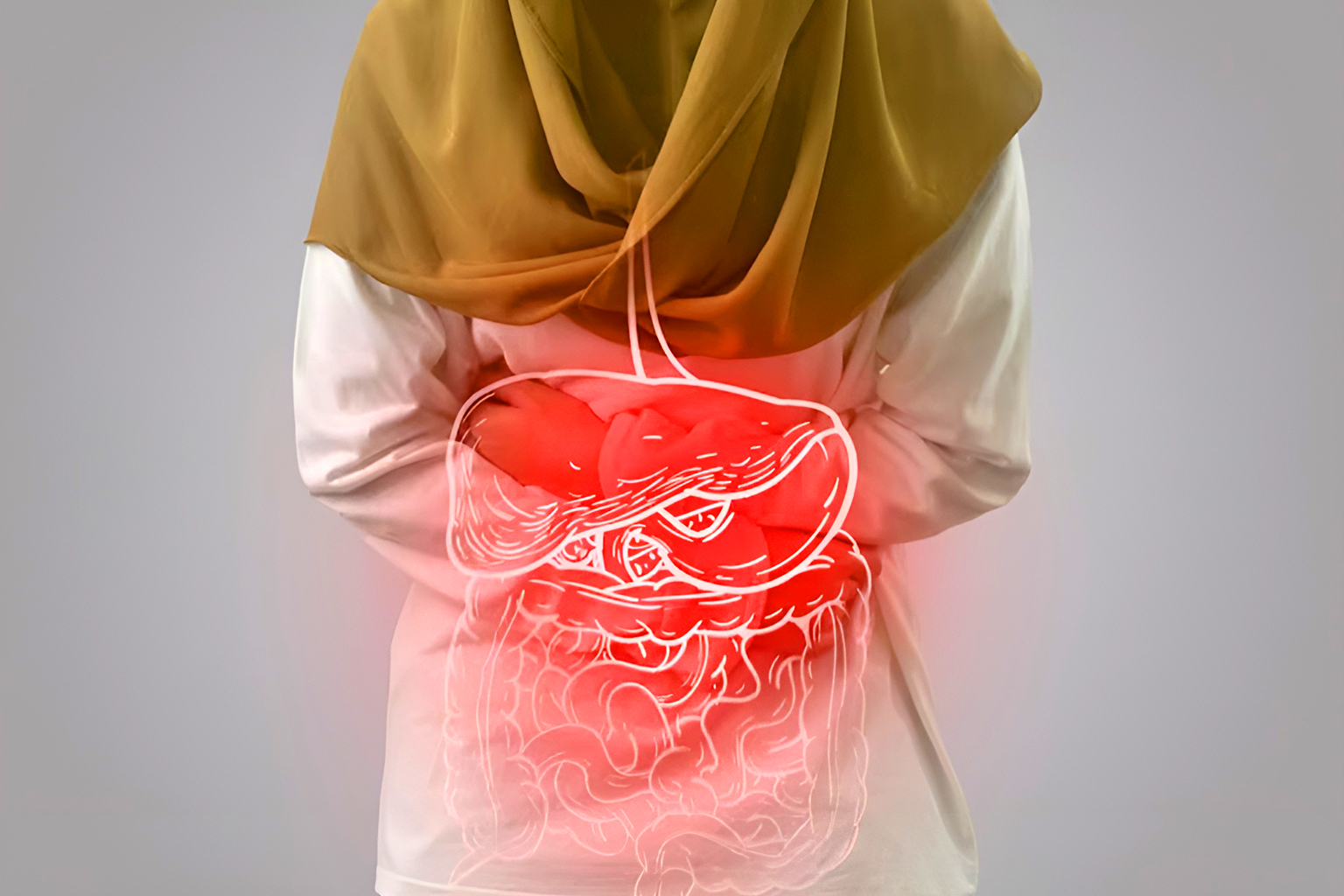





Experiencing gastric pain in chest can be frightening and confusing. Many people immediately fear heart problems when they feel discomfort in the chest area. However, in a large number of cases, the pain actually originates from the stomach or digestive system. Understanding the true reasons behind chest-related gastric pain is essential for proper treatment and long-term relief.
In this comprehensive guide, we explain everything you need to know about gastric pain in the chest, including causes, symptoms, treatment options, and prevention strategies.
What Is Gastric Pain in Chest?
Gastric pain in chest refers to discomfort or burning sensations felt in the chest region that are caused by problems in the stomach or digestive tract. This condition is most commonly linked to acidity, indigestion, or gas buildup.
Although the pain occurs in the chest, the real source is often the esophagus, stomach, or upper abdomen. The close location of these organs to the chest makes it easy to confuse gastric pain with heart-related issues.
Common Causes of Gastric Pain in Chest
There are several reasons why a person may experience gastric pain in the chest. We outline the most frequent causes below.
1. Acid Reflux and GERD
One of the leading causes of gastric chest pain is acid reflux. This occurs when stomach acid flows backward into the esophagus. The result is a burning sensation in the chest, commonly called heartburn.
Chronic acid reflux is known as GERD (Gastroesophageal Reflux Disease), which can cause recurring chest pain if left untreated.
2. Gas Accumulation
Excess gas trapped in the stomach can create pressure that radiates toward the chest. This type of pain is often sharp, uncomfortable, and may come and go suddenly.
People who eat too fast, consume carbonated drinks, or have poor digestion frequently experience this problem.
3. Indigestion (Dyspepsia)
Indigestion after heavy or spicy meals can trigger gastric pain in chest. The stomach struggles to break down food properly, leading to bloating, discomfort, and chest pressure.
4. Gastritis
Gastritis refers to inflammation of the stomach lining. This condition can cause burning pain that spreads upward into the chest region.
Common triggers of gastritis include:
- Excess alcohol consumption
- Long-term use of painkillers
- Bacterial infections
- Stress
5. Hiatal Hernia
A hiatal hernia happens when part of the stomach pushes upward through the diaphragm. This can cause severe chest discomfort, acid reflux, and difficulty swallowing.
6. Peptic Ulcers
Ulcers in the stomach or small intestine can lead to intense burning pain that may be felt in the chest. The pain often worsens on an empty stomach or late at night.
Symptoms of Gastric Pain in Chest
Recognizing the symptoms of gastric-related chest pain is important to differentiate it from heart problems.
Typical symptoms include:
- Burning sensation behind the breastbone
- Sour or bitter taste in the mouth
- Bloating and belching
- Feeling of fullness after eating
- Nausea or vomiting
- Pain that increases after meals
- Discomfort when lying down

If these symptoms occur frequently, it is a strong indication that the chest pain is gastric in origin.
How to Differentiate Gastric Chest Pain from Heart Pain
Many people worry that their chest pain might be related to a heart attack. While caution is always necessary, there are key differences:
Gastric Chest Pain Usually:
- Occurs after eating
- Improves with antacids
- Feels like burning rather than pressure
- Is accompanied by gas or acidity
Heart-Related Chest Pain Usually:
- Feels like tightness or squeezing
- Radiates to the arm, jaw, or back
- Comes with sweating, dizziness, or shortness of breath
- Is not relieved by antacids
If you are ever unsure, we strongly recommend seeking immediate medical help.
Diagnosis of Gastric Pain in Chest
When a patient complains of persistent gastric chest pain, doctors may recommend the following tests:
- Physical examination
- Review of diet and lifestyle habits
- Endoscopy to check for ulcers or inflammation
- Ultrasound of the abdomen
- ECG to rule out heart issues
- pH monitoring for acid reflux
Proper diagnosis ensures that the root cause is treated instead of just the symptoms.
Effective Treatments for Gastric Pain in Chest
The treatment of gastric pain in chest depends on the underlying cause. Below are the most effective medical and natural remedies.
1. Antacids and Acid Reducers
Medications such as:
- Antacids
- H2 blockers
- Proton pump inhibitors (PPIs)

help neutralize stomach acid and provide quick relief from burning chest pain.
2. Dietary Changes
One of the best ways to control gastric chest pain is to modify eating habits.
We recommend:
- Avoiding spicy, oily, and fried foods
- Reducing caffeine and alcohol
- Eating smaller meals
- Avoiding late-night eating

3. Lifestyle Modifications
Simple lifestyle changes can dramatically reduce symptoms:
- Maintain a healthy weight
- Avoid lying down immediately after meals
- Quit smoking
- Manage stress levels

4. Home Remedies
Natural remedies can also help relieve gastric discomfort:
- Drinking warm water
- Ginger or peppermint tea
- Fennel seeds
- Buttermilk
- Avoiding carbonated beverages

5. Treatment of Underlying Conditions
If the pain is due to ulcers, gastritis, or GERD, targeted medical treatment is essential. In severe cases like hiatal hernia, surgical intervention may be required.
Prevention Tips for Gastric Pain in Chest
Preventing gastric chest pain is easier than treating it. We suggest the following preventive measures:
- Eat meals on time
- Chew food slowly
- Drink plenty of water
- Avoid overeating
- Include fiber-rich foods
- Exercise regularly

By following these steps, most people can avoid recurring episodes of gastric discomfort.
When to See a Doctor
While gastric pain in the chest is usually not serious, you should seek medical attention if:
- The pain is severe and persistent
- You experience difficulty swallowing
- There is unexplained weight loss
- Vomiting blood occurs
- Chest pain is accompanied by breathlessness
These could be signs of more serious medical conditions that require urgent care.
Final Thoughts
Gastric pain in chest is a common problem that affects millions of people worldwide. Although it can feel alarming, it is often linked to manageable digestive issues such as acidity, gas, or indigestion.
With proper understanding, timely diagnosis, and healthy lifestyle habits, most cases of gastric chest pain can be effectively treated and prevented.
We encourage everyone to listen to their body, make smart dietary choices, and seek professional help whenever necessary.