


Cholelithiasis, also known as gall stone disease, is a common digestive problem that affects many people worldwide. It happens when small, hard stones form in the gallbladder, a small organ located under the liver. The gallbladder stores bile, which helps the body digest fats.
In many cases, people may not even know they have gall stones. However, when symptoms appear, they can cause severe pain and discomfort. Understanding this condition in simple terms can help in early detection and proper treatment.
In this guide, we explain everything you need to know about gall stones, including causes, symptoms, diagnosis, treatment, and prevention, in an easy-to-understand way.
What Are Gall Stones?
Gall stones are solid lumps that form from bile inside the gallbladder. These stones can vary in size. Some are as tiny as grains of sand, while others can grow as large as a golf ball.
You may have:
- A single gall stone
- Multiple stones at the same time
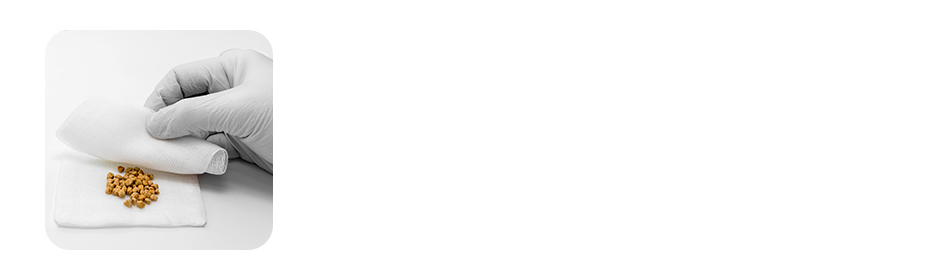
These stones can block the flow of bile, leading to pain and other complications.
Types of Gall Stones
Understanding the types of gall stones helps in better diagnosis and treatment.
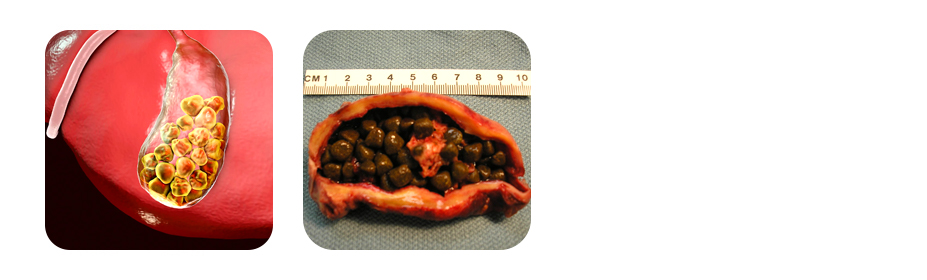
1. Cholesterol Stones
These are the most common type. They are usually yellow or green and are made mostly of cholesterol.
2. Pigment Stones
These are smaller and darker. They form due to excess bilirubin, a substance produced when red blood cells break down.
3. Mixed Stones
These stones contain a mix of cholesterol and other substances.
What Causes Gall Stones?
Gall stones form when there is an imbalance in the substances that make up bile. Here are the main causes explained simply:
Too Much Cholesterol in Bile
When bile contains more cholesterol than it can dissolve, it starts forming crystals. Over time, these crystals turn into stones.
Too Much Bilirubin
Certain health conditions cause the body to produce extra bilirubin. This can lead to pigment stone formation.
Poor Gallbladder Emptying
If the gallbladder does not empty properly, bile becomes thick and concentrated. This increases the risk of stone formation.
Risk Factors for Gall Stone Disease
Some people are more likely to develop gall stones. These risk factors include:
- Being female (hormones play a role)
- Age above 40 years
- Overweight or obesity
- Rapid weight loss or crash dieting
- Eating high-fat or low-fiber foods
- Family history of gall stones
- Pregnancy
- Diabetes and metabolic conditions
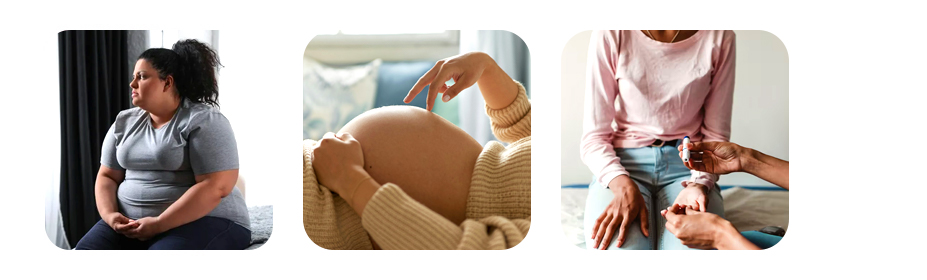
Knowing these factors can help you take preventive steps early.
Symptoms of Gall Stones
Not everyone with gall stones experiences symptoms. But when symptoms occur, they can be painful.
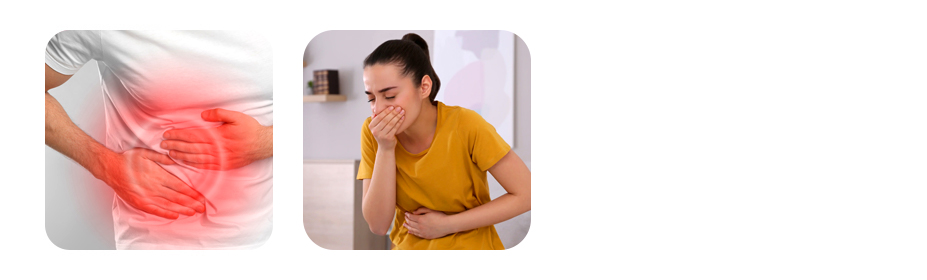
Common Symptoms
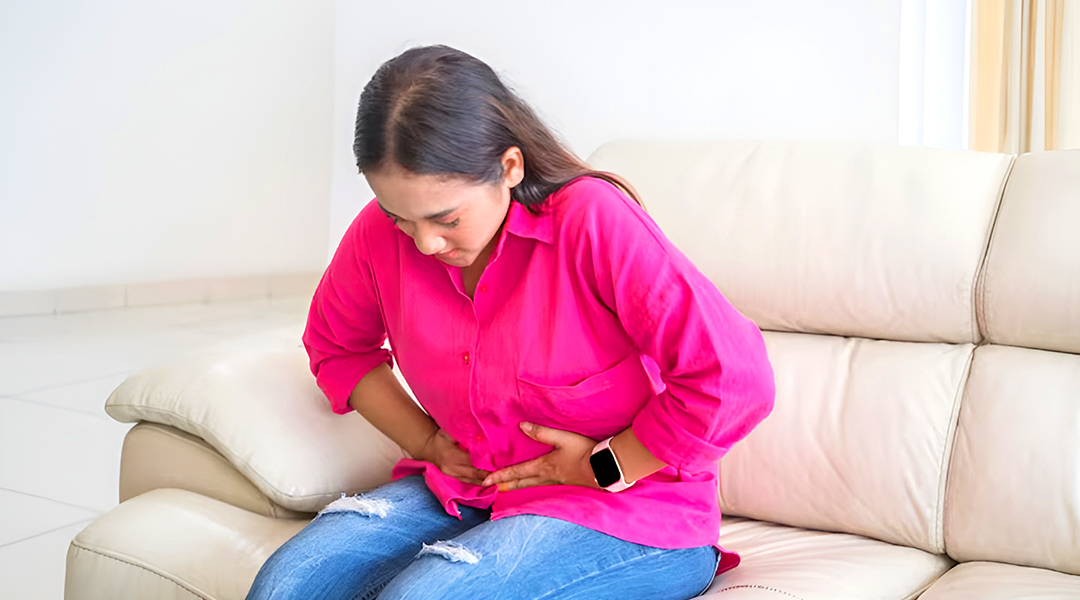
- Sudden pain in the upper right abdomen
- Pain that spreads to the back or shoulder
- Nausea and vomiting
- Indigestion, gas, and bloating
- Pain after eating oily or fatty foods
Severe Symptoms
These symptoms may indicate a serious problem:
- Fever and chills
- Yellowing of the skin and eyes (jaundice)
- Dark urine and pale stools
- Severe pain lasting several hours

Immediate medical attention is needed in such cases.
Complications of Gall Stone Disease
If left untreated, gall stones can lead to serious health issues.
1. Cholecystitis (Gallbladder Inflammation)
This happens when a stone blocks the gallbladder. It causes severe pain, fever, and infection.
2. Blocked Bile Duct
Stones can move into the bile duct and block it. This leads to jaundice and infection.
3. Pancreatitis
Gall stones can block the pancreatic duct, causing inflammation of the pancreas, which can be life-threatening.
4. Gallbladder Damage
Long-term blockage can lead to tissue damage or rupture, which is dangerous.
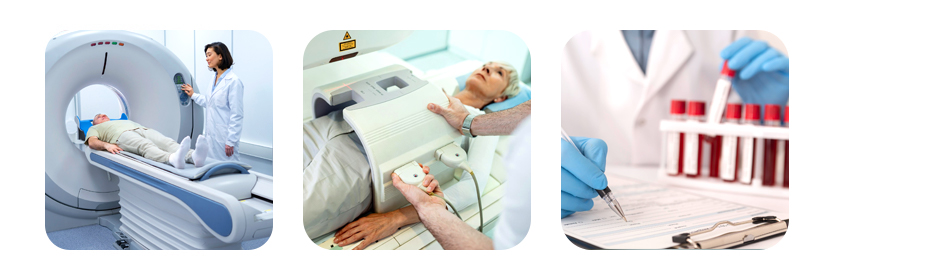
How Are Gall Stones Diagnosed?
Doctors use simple and effective methods to diagnose gall stones.
1. Ultrasound Scan
This is the most common test. It is painless and shows gall stones clearly.
2. CT Scan
Used to detect complications or confirm the diagnosis.
3. MRI (MRCP)
Provides detailed images of bile ducts and helps identify blockages.
4. Blood Tests
Check for infection, liver function, and bilirubin levels.
Treatment Options for Gall Stones
Treatment depends on your symptoms and the severity of the condition.
1. Watchful Waiting
If you have no symptoms, doctors may suggest no immediate treatment. Regular monitoring is enough.
2. Medications
Medicines can help dissolve cholesterol stones. However:
- They take a long time to work
- Stones may return after stopping medication
3. Surgery (Cholecystectomy)
This is the most effective and permanent treatment.
Laparoscopic Surgery
- Minimally invasive
- Small cuts
- Faster recovery
- Less pain

Open Surgery
- Needed in complex cases
- Longer recovery time
After surgery, the body still digests food normally without the gallbladder.
Recovery After Gallbladder Surgery
Recovery is usually quick, especially with laparoscopic surgery.
- Most patients return home within a day
- Normal activities can resume in a week
- A light diet is recommended initially
Some people may experience mild digestive changes, but these improve over time.
Diet Plan for Gall Stone Prevention
Diet plays a key role in preventing gall stones.
Foods to Include
- Fresh fruits and vegetables
- Whole grains like oats and brown rice
- Lean proteins such as fish and chicken
- Healthy fats like nuts and olive oil

Foods to Avoid
- Fried and oily foods
- Processed snacks
- Sugary drinks
- High-cholesterol foods

Lifestyle Changes for Better Gallbladder Health
Simple lifestyle changes can reduce your risk:
- Maintain a healthy weight
- Avoid sudden weight loss
- Exercise regularly (at least 30 minutes daily)
- Drink enough water
- Follow a balanced diet

These habits improve overall digestive health.
Prevention Tips You Should Follow
Preventing gall stones is possible with consistent habits:
- Eat meals at regular times
- Do not skip meals
- Include fiber-rich foods
- Limit junk food
- Stay physically active
Prevention is always better than treatment.
When Should You See a Doctor?
You should consult a doctor immediately if you experience:
- Severe abdominal pain
- Pain lasting more than a few hours
- Fever and chills
- Yellowing of skin or eyes
- Continuous vomiting
Early diagnosis helps avoid complications.
Conclusion
Cholelithiasis (gall stone disease) is a common but manageable condition. Many people live with gall stones without symptoms, but when problems occur, timely treatment is important.
We recommend focusing on healthy eating, regular exercise, and early medical care. These steps help in both prevention and treatment.
By understanding your body and making simple lifestyle changes, you can protect your digestive health and avoid complications.