



What Is Bilirubin?
Bilirubin is a yellow substance made by the body when old red blood cells break down. Every day, our body removes old blood cells and replaces them with new ones. During this process, bilirubin is formed.
This bilirubin travels in the blood to the liver, where it is processed and removed from the body through bile and stool. When everything works well, bilirubin stays within a normal range. But if something goes wrong, the levels can go up or down.
Understanding bilirubin levels helps us check the health of the liver, blood, and digestive system.
Types of Bilirubin You Should Know
To understand bilirubin better, we divide it into three types:
1. Indirect (Unconjugated) Bilirubin
- This is the first form of bilirubin
- It is not yet processed by the liver
- It travels in the bloodstream
2. Direct (Conjugated) Bilirubin
- This type is processed by the liver
- It is ready to be removed from the body
- It passes into bile and then into the intestines
3. Total Bilirubin
- This is the sum of direct and indirect bilirubin
- Doctors usually check this in blood tests
Normal Bilirubin Range in Adults
The normal bilirubin range is important for understanding whether your body is working properly.
Here are the standard values:
- Total Bilirubin: 0.3 to 1.2 mg/dL
- Direct Bilirubin: 0.1 to 0.3 mg/dL
- Indirect Bilirubin: 0.2 to 0.8 mg/dL
If your levels fall within this range, your liver is usually functioning well.
Normal Bilirubin Levels in Newborn Babies
Newborn babies often have higher bilirubin levels because their liver is still developing.
Typical levels include:
- At birth: Less than 2.0 mg/dL
- After 2–5 days: Up to 12 mg/dL
- After one week: Levels begin to drop
This condition is called newborn jaundice, and it is very common. Most cases are mild and go away on their own, but some may need treatment.
Why Is Bilirubin Important?
Bilirubin is more than just a waste product. It is a key health indicator.
Doctors check bilirubin levels to:
- Evaluate liver function
- Detect blockages in bile ducts
- Identify blood disorders
- Monitor overall body health
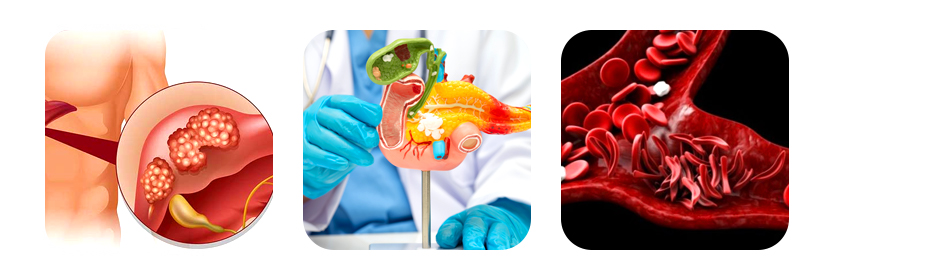
A change in bilirubin levels often gives early warning signs of health problems.
Symptoms of High Bilirubin Levels
When bilirubin levels go above normal, it can cause visible symptoms. The most common symptom is jaundice.
Common signs include:
- Yellow skin and yellow eyes
- Dark urine
- Light or pale stool
- Tiredness and weakness
- Loss of appetite
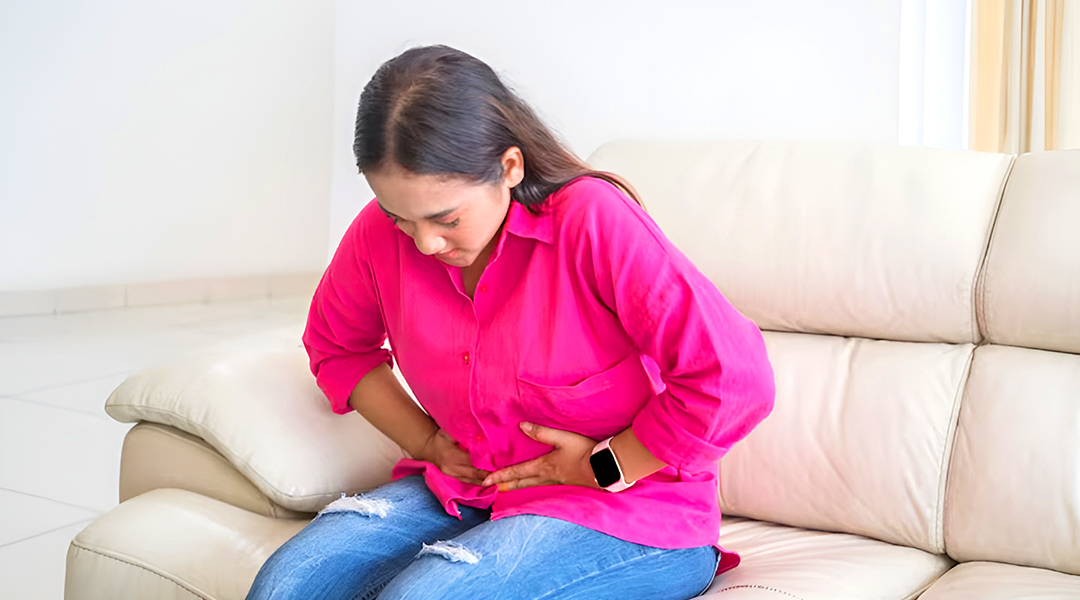
- Abdominal pain
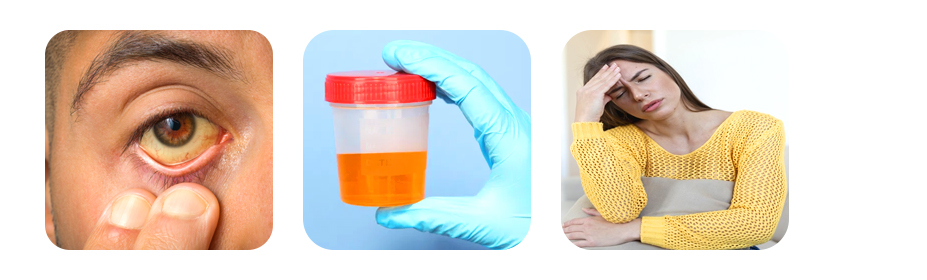
These symptoms should not be ignored and require medical attention.
Main Causes of High Bilirubin (Hyperbilirubinemia)
There are several reasons why bilirubin levels may increase.
1. Liver Problems
The liver may not process bilirubin properly due to:
- Hepatitis
- Fatty liver
- Liver damage
2. Excess Breakdown of Red Blood Cells
When too many red blood cells break down:
- Hemolytic anemia
- Certain infections
3. Blockage in Bile Ducts
Bilirubin cannot leave the body if there is a blockage:
- Gallstones
- Tumors
- Inflammation
4. Genetic Conditions
Some inherited conditions affect bilirubin levels:
- Gilbert’s syndrome
- Crigler-Najjar syndrome
5. Infections
Viral or bacterial infections can affect the liver and increase bilirubin.
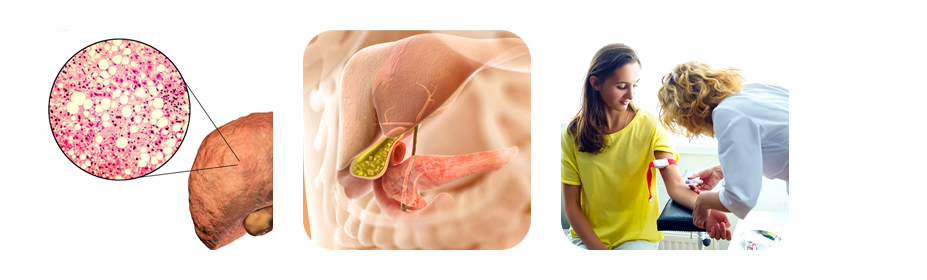
Is Low Bilirubin Dangerous?
Low bilirubin levels are usually not a problem.
In most cases:
- They do not cause symptoms
- They do not need treatment
However, very low levels may be linked to:
- Poor diet
- Certain medicines
- Long-term stress
Doctors usually focus more on high bilirubin levels.
How Is Bilirubin Tested?
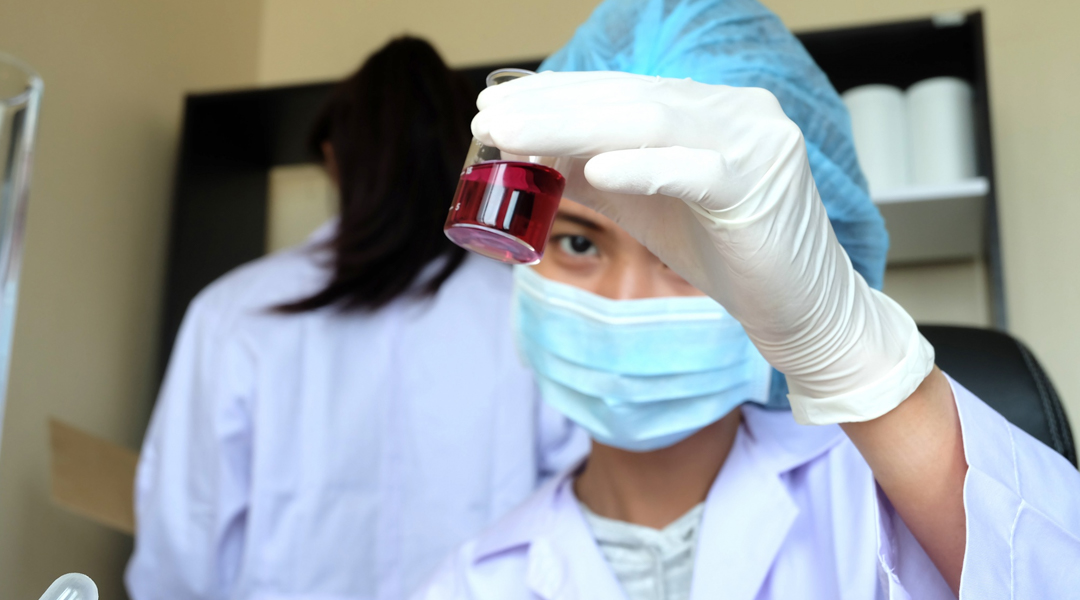
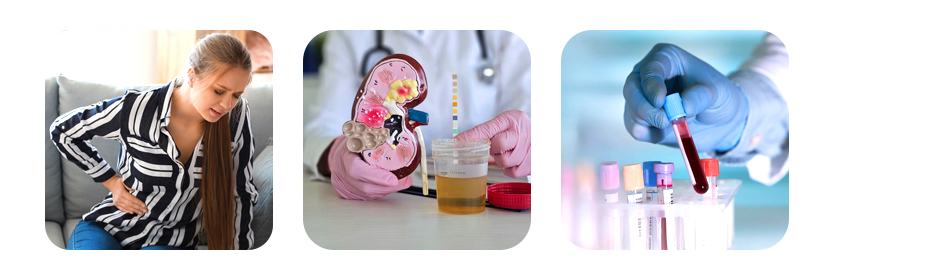
A bilirubin test is simple and quick.
Steps involved:
- A small sample of blood is taken
- The sample is sent to a lab
- Results show total, direct, and indirect bilirubin levels
Sometimes doctors also recommend liver function tests (LFTs) for a deeper check.
How to Maintain Normal Bilirubin Levels Naturally
Keeping bilirubin levels normal is important for overall health. You can support your liver with simple lifestyle changes.
1. Eat Healthy Foods
- Fresh fruits and vegetables
- Whole grains
- Low-fat foods
Avoid:
- Junk food
- Oily and fried food
2. Drink Plenty of Water
Water helps remove toxins and supports liver function.
3. Limit Alcohol Intake
Too much alcohol can damage the liver and increase bilirubin.
4. Exercise Regularly
Physical activity improves digestion and liver health.
5. Avoid Self-Medication
Some medicines can harm the liver if taken without guidance.
6. Get Regular Checkups
Routine tests help detect problems early.

Connection Between Bilirubin and Liver Health
The liver plays a central role in controlling bilirubin.
When the liver is healthy:
- Bilirubin is processed properly
- Levels stay normal
When the liver is weak:
- Bilirubin builds up in the blood
- Symptoms like jaundice appear
This is why bilirubin is one of the most important markers for liver health.
When Should You See a Doctor?
You should seek medical help if you notice:
- Yellow skin or eyes
- Sudden increase in bilirubin levels
- Ongoing fatigue
- Digestive issues
- Abnormal test results
Early diagnosis can prevent serious complications.
Treatment for High Bilirubin Levels
Treatment depends on the cause of the problem.
1. Liver Disease Treatment
- Medicines
- Diet changes
- Regular monitoring
2. Removing Blockages
- Surgery
- Gallstone removal
3. Treatment for Newborns
- Phototherapy (light treatment)
- Frequent feeding
4. Blood Disorders
- Medicines
- Blood transfusions
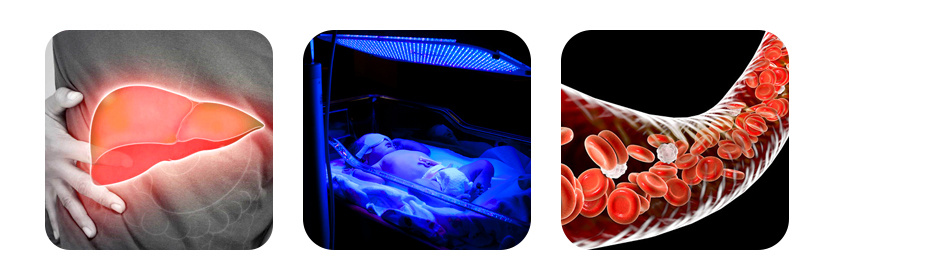
Doctors choose treatment based on the exact cause.
Simple Tips to Keep Your Liver Healthy
Here are easy daily habits to support your liver:
- Eat clean and fresh food
- Stay hydrated
- Sleep well
- Avoid smoking and alcohol
- Manage stress
- Maintain a healthy weight
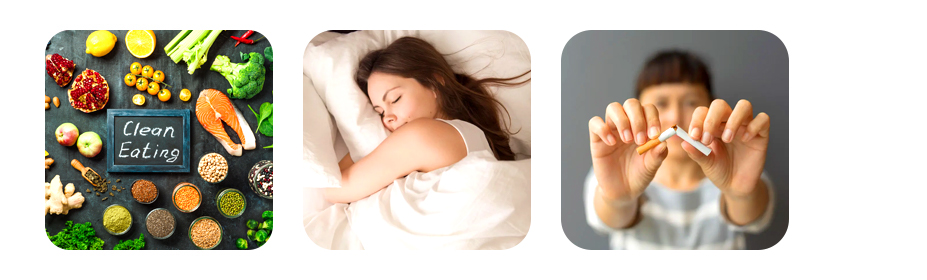
Small changes can make a big difference.
Key Points to Remember
- Normal bilirubin range is 0.3 to 1.2 mg/dL
- High bilirubin can cause jaundice and other symptoms
- Liver health is directly linked to bilirubin levels
- Newborns may have higher levels temporarily
- A healthy lifestyle helps maintain normal levels
Conclusion
Understanding the bilirubin normal range is important for keeping your body healthy. Bilirubin levels give clear information about how well your liver and blood system are working. By knowing the symptoms, causes, and ways to maintain normal levels, we can take better care of our health.
Regular checkups, a healthy diet, and a good lifestyle are the best ways to keep bilirubin levels under control and ensure long-term wellness.