
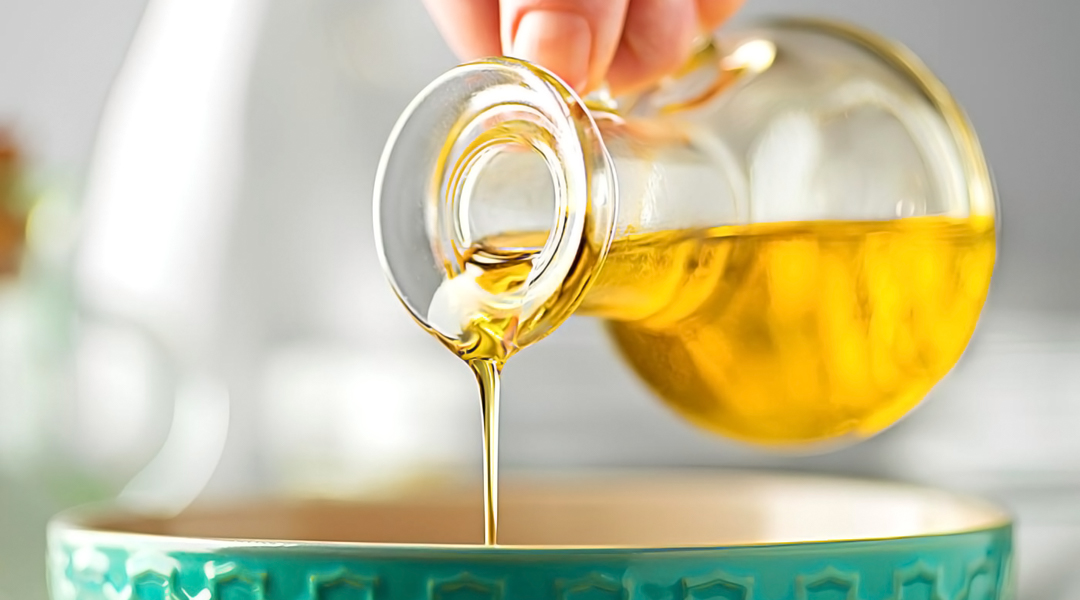









Choosing the best cooking oil for heart health is one of the most important dietary decisions we can make. The type of oil we use daily has a direct impact on cholesterol levels, inflammation, and overall cardiovascular health. With so many options available, selecting the right oil can feel overwhelming. In this comprehensive guide, we explore the healthiest cooking oils, their benefits, and how to use them effectively for optimal heart health.
Why Choosing the Right Cooking Oil Matters for Heart Health
Cooking oils are made up of different types of fats, and not all fats affect the heart in the same way. The key lies in understanding the balance between:
- Saturated fats – Can raise bad cholesterol (LDL)
- Unsaturated fats – Help reduce bad cholesterol and improve heart health
- Trans fats – Highly harmful and should be avoided
We should prioritize oils rich in monounsaturated and polyunsaturated fats, as they support healthy cholesterol levels and reduce the risk of heart disease.
Top 10 Best Cooking Oils for Heart Health
1. Olive Oil – The Gold Standard for Heart Health
Olive oil, especially extra virgin olive oil, is widely regarded as one of the healthiest oils available. It is rich in monounsaturated fats and antioxidants, which help reduce inflammation and improve cardiovascular function.
Benefits:
- Lowers bad cholesterol (LDL)
- Increases good cholesterol (HDL)
- Rich in polyphenols that protect blood vessels

Best for: Salads, sautéing, light frying
2. Mustard Oil – Traditional and Heart-Friendly
Mustard oil is a popular choice in many Indian households and is known for its balanced ratio of omega-3 and omega-6 fatty acids.
Benefits:
- Supports heart health
- Reduces inflammation
- Improves blood circulation

Best for: Deep frying, Indian cooking
3. Sunflower Oil – Rich in Vitamin E
Sunflower oil contains high levels of vitamin E, an antioxidant that protects heart cells from damage.
Benefits:
- Helps reduce oxidative stress
- Supports healthy arteries
- Light and neutral flavor

Best for: Frying, baking
4. Canola Oil – Low in Saturated Fat
Canola oil is known for its low saturated fat content and high omega-3 fatty acids.
Benefits:
- Reduces bad cholesterol
- Supports overall heart function
- Affordable and widely available

Best for: Baking, grilling, sautéing
5. Rice Bran Oil – Cholesterol-Lowering Power
Rice bran oil is extracted from the outer layer of rice and is rich in oryzanol, a compound known for reducing cholesterol.
Benefits:
- Lowers LDL cholesterol
- Improves HDL levels
- High smoke point

Best for: Deep frying, stir-frying
6. Groundnut Oil – Balanced and Flavorful
Groundnut oil (peanut oil) contains monounsaturated fats that help maintain heart health.
Benefits:
- Supports healthy cholesterol levels
- Good for high-heat cooking
- Adds mild flavor

Best for: Frying, sautéing
7. Coconut Oil – Use in Moderation
Coconut oil contains saturated fats, but when used in moderation, it can still be part of a balanced diet.
Benefits:
- Provides quick energy
- Contains medium-chain triglycerides (MCTs)

Best for: Occasional cooking, baking
8. Avocado Oil – Nutrient-Dense and Heart-Safe
Avocado oil is rich in monounsaturated fats and antioxidants, making it highly beneficial for heart health.
Benefits:
- Reduces inflammation
- Improves cholesterol profile
- High smoke point

Best for: Grilling, roasting
9. Soybean Oil – Omega-Rich Option
Soybean oil is a good source of polyunsaturated fats and omega-3 fatty acids.
Benefits:
- Supports heart health
- Helps reduce cholesterol
- Widely used in cooking

Best for: Frying, processed foods
10. Flaxseed Oil – Best for Raw Consumption
Flaxseed oil is extremely rich in omega-3 fatty acids, which are essential for heart health.
Benefits:
- Reduces inflammation
- Improves heart function
- Supports healthy blood pressure

Best for: Salads, smoothies (not for cooking)
How to Choose the Best Cooking Oil for the Heart
When selecting the best oil, we should consider the following factors:
1. Fat Composition
Choose oils high in unsaturated fats and low in saturated fats.
2. Smoke Point
Select oils with a high smoke point for frying to prevent the formation of harmful compounds.
3. Processing Method
Opt for cold-pressed or unrefined oils for maximum nutrients.
4. Variety in Oils
Using a combination of oils ensures a balanced intake of essential fatty acids.
Best Cooking Practices for Heart Health
Even the healthiest oil can become harmful if used incorrectly. Follow these practices:
- Avoid reusing cooking oil
- Limit deep frying
- Use oils in moderation
- Store oils away from heat and light
- Rotate between different oils
Oils to Avoid for Heart Health
To protect heart health, we should limit or avoid:
- Partially hydrogenated oils
- Vanaspati
- Palm oil (in excess)
- Highly processed refined oils
These oils contain trans fats or excessive saturated fats, which increase the risk of heart disease.
Daily Recommended Oil Intake
Moderation is key. Experts recommend:
- 2–3 teaspoons of oil per person per day
Excessive oil consumption, even healthy ones, can lead to weight gain and increased cholesterol levels.
Combining Oils for Maximum Heart Benefits
A smart approach is to rotate and combine oils:
- Olive oil + Mustard oil
- Rice bran oil + Groundnut oil
- Sunflower oil + Canola oil
This ensures a balanced intake of omega-3, omega-6, and omega-9 fatty acids, promoting better heart health.
Conclusion:
The best cooking oil for heart health is not a single option but a combination of oils rich in healthy fats, antioxidants, and nutrients. Oils like olive oil, mustard oil, and rice bran oil stand out as top choices due to their proven benefits for cardiovascular health.
By choosing the right oils and using them wisely, we can reduce the risk of heart disease, maintain healthy cholesterol levels, and support overall well-being. A mindful approach to cooking oils is a simple yet powerful step toward a healthier heart and a longer life.