

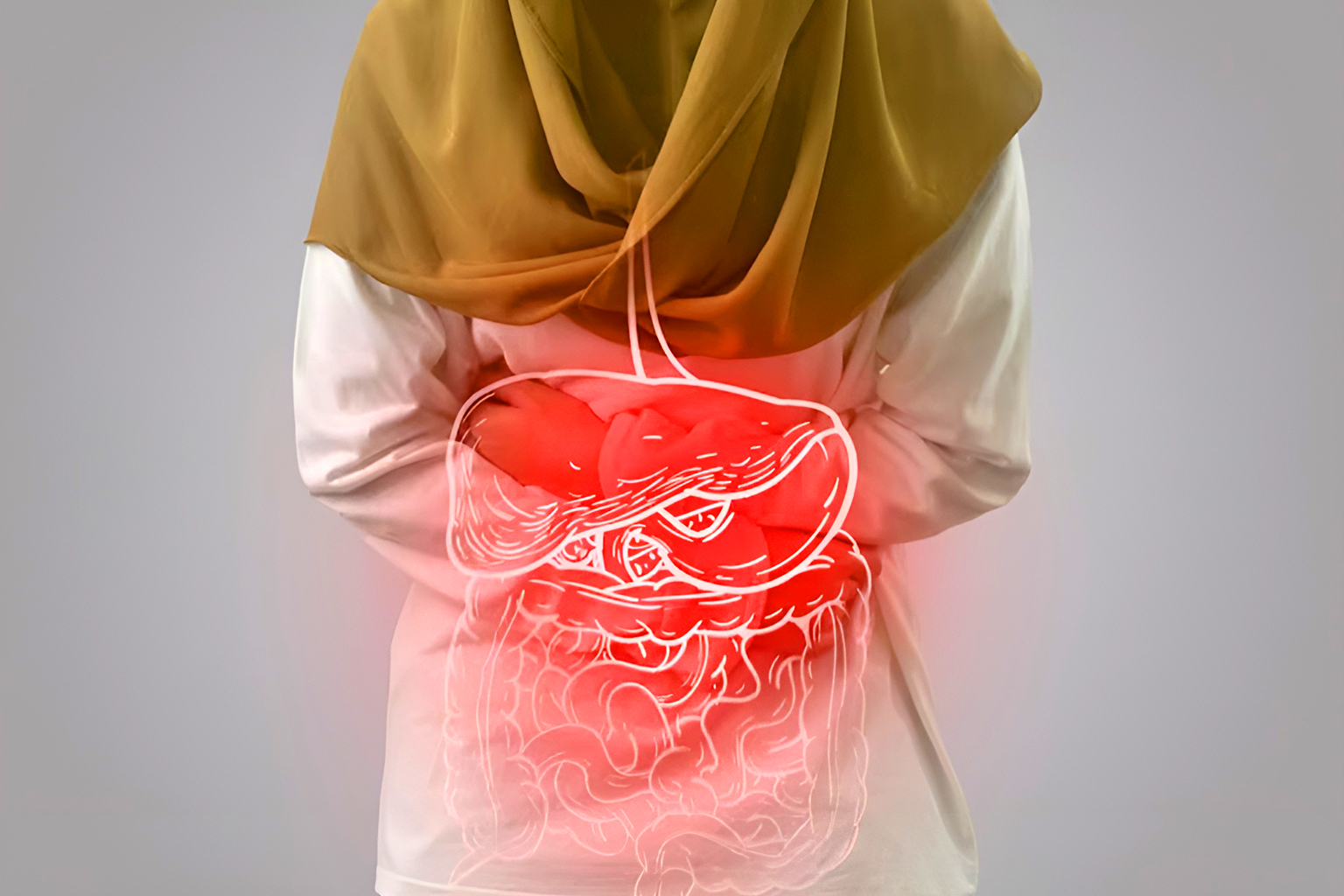

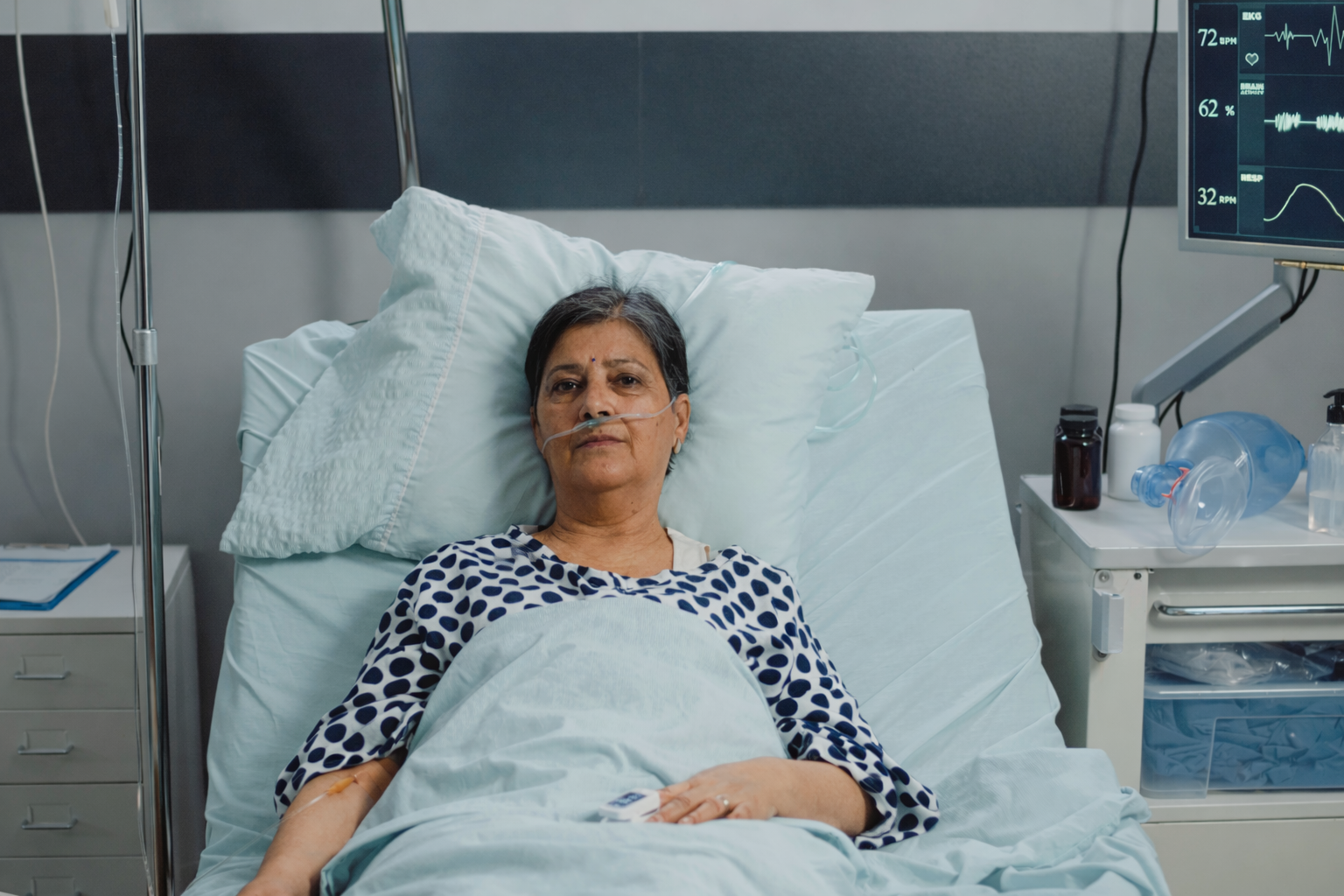





At Tulips Hospitals, we regularly treat emergency medical conditions where quick action saves lives. This detailed clinical case of acute gastroenteritis with severe dehydration, complicated by uncontrolled diabetes mellitus, pre-renal acute kidney injury, and systemic hypertension, highlights the importance of early ICU care and continuous monitoring.
Acute gastroenteritis is often thought to be a simple stomach infection. However, in patients with long-term conditions like diabetes and high blood pressure, it can quickly become dangerous. At Tulips Hospitals, our emergency and critical care teams are trained to identify such risks early and act without delay.
This case study explains the patient’s symptoms, examination findings, treatment plan, hospital stay, and recovery in a clear and easy-to-understand way.
Patient Details
- Name: Mrs.Padma
- Age: 45 years
- Gender: Female
Known Medical Conditions
- Diabetes Mellitus
- Systemic Hypertension
The patient had a history of poor blood sugar control, which increased her risk of complications. Because of her condition, she was immediately evaluated by the emergency team at Tulips Hospitals.
Final Diagnosis
After detailed assessment and investigations at Tulips Hospitals, the patient was diagnosed with:
- Acute Gastroenteritis
- Severe Dehydration
- Uncontrolled Diabetes Mellitus
- Pre-Renal Acute Kidney Injury
- Systemic Hypertension
Each condition added to the severity of her illness and required close ICU-level care.
History of Presenting Illness
Mrs. Padma arrived at Tulips Hospitals with symptoms that started three days before admission.

Main Symptoms
- Loose stools – nearly 15 episodes per day
- Repeated vomiting
- Abdominal pain
- Severe tiredness
- Low urine output
She had no fever, which helped doctors narrow down the possible causes of gastroenteritis.
Important Medical History
- Known case of diabetes mellitus
- Known case of hypertension
- No recent travel history
- No blood in stools
Continuous vomiting and diarrhea caused heavy fluid loss, leading to severe dehydration and reduced blood supply to the kidneys.
General Physical Examination
On arrival at the emergency department of Tulips Hospitals, the patient was examined thoroughly.
General Condition
- Conscious and alert
- Responded to verbal commands
- Afebrile
No signs of:
- Jaundice
- Cyanosis
- Clubbing
- Enlarged lymph nodes
Vital Signs on Admission
- Temperature: 98°F
- Pulse Rate: 120 beats/min
- Blood Pressure: 130/80 mmHg
- SpO₂: 98% on room air
- Capillary Blood Glucose: 546 mg/dL
The fast pulse rate pointed to dehydration, while the extremely high blood sugar confirmed uncontrolled diabetes, requiring urgent correction.
Systemic Examination Findings
Cardiovascular System
- Normal heart sounds
- No murmurs
Respiratory System
- Clear air entry on both sides
- No added sounds
Abdominal Examination
- Soft abdomen
- No tenderness or guarding
Central Nervous System
- No neurological deficits
- Normal response
Clinical Assessment at Tulips Hospitals
Based on symptoms, examination, and lab findings, our medical team identified:
- Severe fluid loss due to vomiting and diarrhea
- Reduced kidney blood flow causing pre-renal acute kidney injury
- Very high blood sugar worsening dehydration
- Risk of electrolyte imbalance
Because of these findings, the patient was immediately shifted to the ICU at Tulips Hospitals for close observation and treatment.
ICU Admission and Management
Mrs. Padma was admitted to the well-equipped ICU at Tulips Hospitals, where a multidisciplinary team managed her condition.
Treatment Plan
1. Intravenous Fluid Therapy
- Rapid correction of dehydration
- Improved blood circulation
- Better kidney perfusion
2. Insulin Infusion
- Continuous IV insulin
- Frequent blood sugar checks
- Safe and controlled sugar reduction
3. Intravenous Antibiotics
- To treat suspected infectious gastroenteritis
- To prevent further complications
4. Continuous Monitoring
- Hourly vital signs
- Strict urine output tracking
- Regular renal function tests
- Continuous blood sugar monitoring
5. Specialist Care
- General Physician consultation
- All expert recommendations followed
At Tulips Hospitals, strict protocols ensure patient safety during critical illness.
Hospital Course and Recovery
During her ICU stay, the patient showed steady improvement.
Clinical Progress
- Blood sugar levels gradually normalized
- Urine output increased
- Heart rate stabilized
- Kidney function tests improved
As hydration improved, kidney function recovered fully, confirming pre-renal kidney injury, which is reversible with timely treatment.
Shift to Ward Care
Once stable:
- The patient was shifted from ICU to the ward
- IV fluids were reduced gradually
- Insulin doses were adjusted
- Oral diet was started slowly
She remained stable throughout her ward stay under continuous medical supervision.
Discharge Status
Mrs. Padma was discharged from Tulips Hospitals in a stable condition with:
- Controlled blood glucose levels
- Normal urine output
- Stable blood pressure
- Improved kidney function
- No further vomiting or diarrhea
Discharge Advice from Tulips Hospitals
The patient was advised to:
- Drink enough fluids daily
- Follow a strict diabetic diet
- Monitor blood sugar regularly
- Take medicines exactly as prescribed
- Attend follow-up visits
- Seek early medical care if symptoms return
Key Learning Points
- Gastroenteritis can become serious in diabetic patients
- Severe dehydration can damage kidneys quickly
- Early ICU care saves lives
- Blood sugar control is vital during illness
- Timely treatment prevents permanent organ damage
Conclusion
This case demonstrates how early ICU admission, expert medical care, and continuous monitoring at Tulips Hospitals helped successfully manage a complex case of acute gastroenteritis with severe dehydration, uncontrolled diabetes, and pre-renal acute kidney injury.
With prompt intervention, proper hydration, and strict blood sugar control, the patient recovered well and was discharged safely. This case reflects Tulips Hospitals’ commitment to delivering reliable, timely, and patient-focused critical care.