
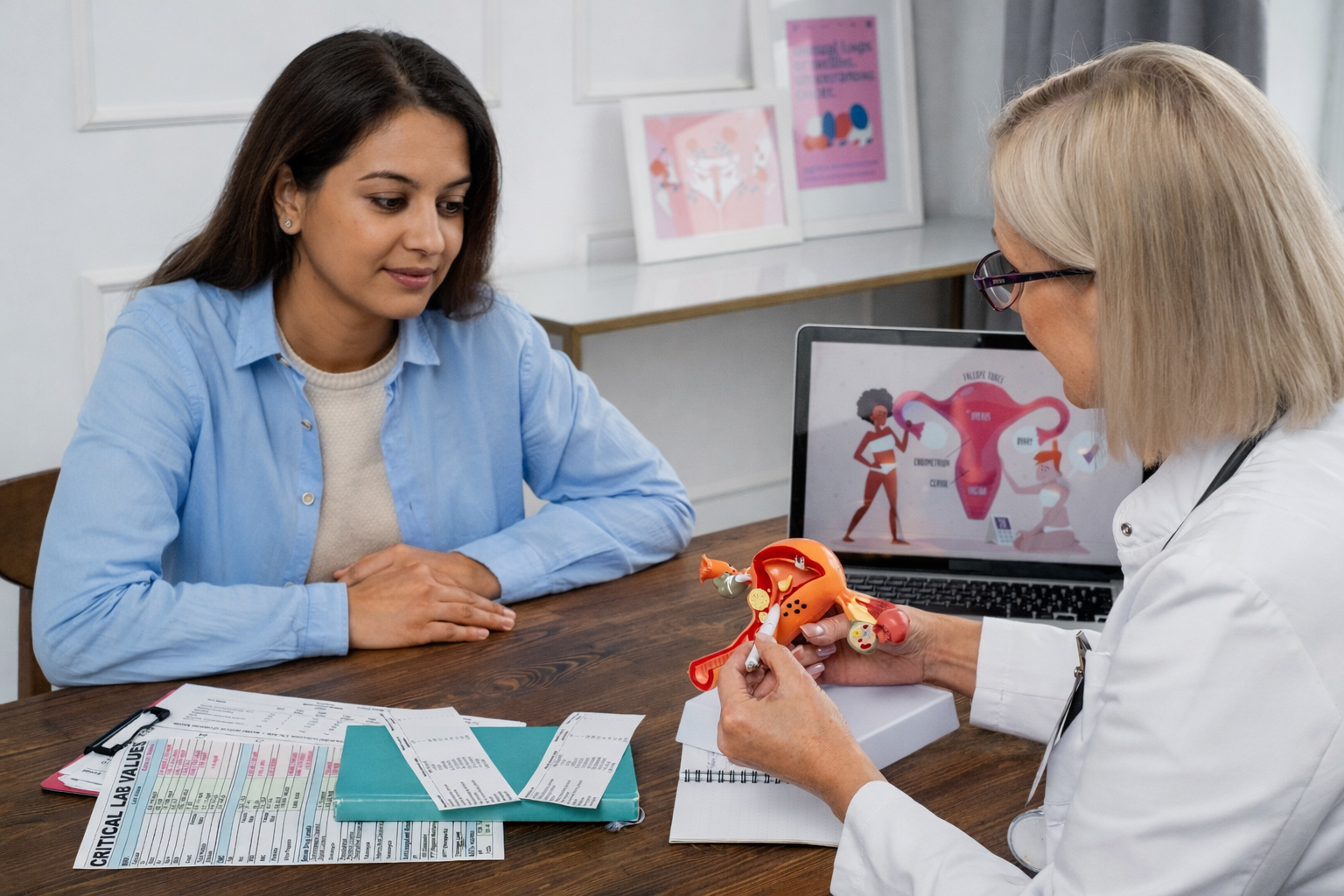
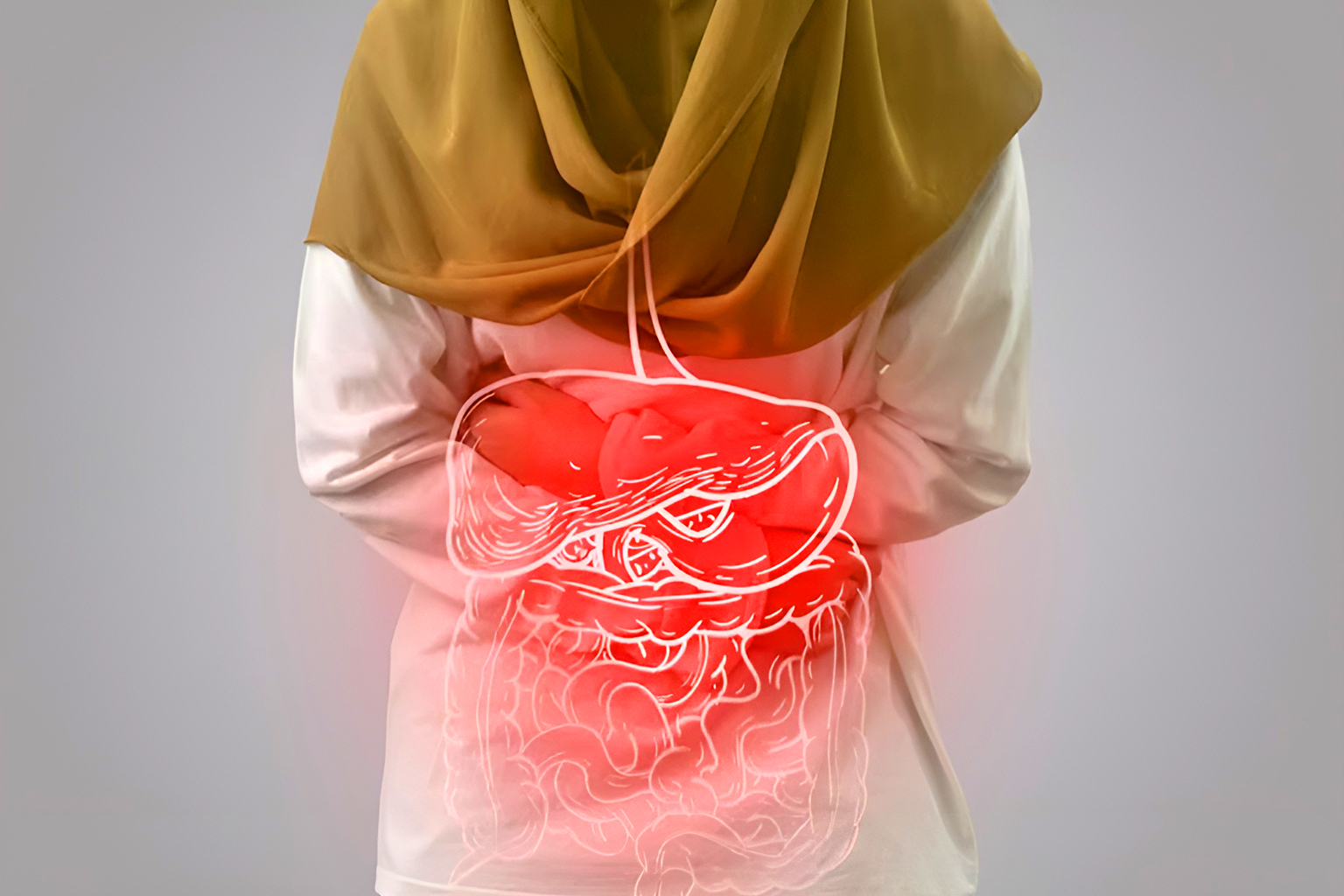






Abnormal uterine bleeding is one of the most common gynecological problems seen in women between 40 and 50 years of age. When left untreated, it can lead to serious health issues such as severe anemia, weakness, breathlessness, and reduced quality of life. One of the leading causes of abnormal uterine bleeding is uterine fibroids, also known as leiomyomas.
In this detailed case study, we explain the diagnosis, treatment, and recovery of a middle-aged woman who presented with heavy menstrual bleeding caused by an intramural fibroid, leading to life-threatening anemia.
Patient Details
- Name: Mrs. Chandra Kala Garika
- Age: 45 years
- Gender: Female
- Obstetric History: P2L2
- Past Surgical History: Tubectomy done in 2011
Final Diagnosis
- Abnormal Uterine Bleeding (AUB)
- Intramural Uterine Fibroid (Leiomyoma)
- Severe Anemia (Hemoglobin: 3.8 g/dL)

Understanding the Condition
What Is Abnormal Uterine Bleeding?
Abnormal uterine bleeding means bleeding from the uterus that is:
- Heavier than normal
- Lasts longer than usual
- Occurs between periods or after menopause
When bleeding continues for many weeks, it can cause excessive blood loss and lead to anemia.
What Is an Intramural Fibroid?
An intramural fibroid is a non-cancerous growth that develops within the muscle wall of the uterus. These fibroids can:
- Increase menstrual bleeding
- Cause pelvic pressure
- Lead to anemia over time
Intramural fibroids are very common in women aged 35–50 years.
History of Presenting Illness
The patient came to the hospital with the following complaints:
- Generalized weakness for one month
- Shortness of breath on exertion
- Heavy menstrual bleeding for one month

She did not report:
- Abdominal pain
- Loose stools
- Painful urination
The continuous heavy bleeding led to extreme weakness and difficulty in daily activities.
General Physical Examination
On examination, the patient was:
- Conscious and alert
- Responding to oral commands
- Afebrile
- Showing marked pallor, a sign of severe anemia
There were no signs of jaundice, cyanosis, clubbing, or enlarged lymph nodes.
Vital Signs on Admission
- Temperature: 97.8°F
- Pulse Rate: 82/min
- Blood Pressure: 110/70 mmHg
- SpO₂: 99% on room air
- Random Blood Sugar: 105 mg/dL
- Body Weight: 67.7 kg
Despite normal vital signs, laboratory results revealed a serious condition.
Systemic Examination Findings
- Cardiovascular System: Normal heart sounds (S1, S2 present)
- Respiratory System: Normal air entry in both lungs
- Abdomen: Soft and non-tender
- Central Nervous System: No focal neurological deficit
Laboratory and Imaging Investigations
Blood Tests
- Hemoglobin: 3.8 g/dL (Critically low)
This level of hemoglobin indicates severe anemia, which can be life-threatening if not treated urgently.
Ultrasound Findings
- Bulky uterus
- Presence of intramural fibroid
The ultrasound confirmed the cause of abnormal uterine bleeding.
Initial Medical Management
Due to the dangerously low hemoglobin level, immediate treatment was required.
Blood Transfusion
- 3 units of Packed Red Blood Cells (PRBCs) were transfused
- Continuous monitoring of vitals was done
- The patient showed gradual improvement in strength and breathing
After stabilization, a gynecologist evaluated the patient.
Treatment Decision
Considering:
- Patient’s age
- Completed family (P2L2)
- Severity of bleeding
- Size and location of fibroid
- Risk of recurrent anemia
The medical team advised total abdominal hysterectomy as a permanent solution.
The patient was discharged after stabilization and readmitted later for surgery.
Surgical Procedure: Total Abdominal Hysterectomy
Type of Anesthesia
- Epidural anesthesia supplemented with spinal anesthesia
This ensured adequate pain control and patient safety.
Intraoperative Findings
- Uterus enlarged to about 12-week pregnancy size
- Irregular uterine surface
- Left ovary: Normal
- Right ovary: Cystic
- Evidence of previous tubectomy
Step-by-Step Surgical Procedure
- Abdomen opened carefully in layers
- Round ligaments clamped, cut, and tied on both sides
- Infundibulopelvic ligaments secured
- Uterovesical fold opened
- Bladder pushed downward safely
- Uterine arteries identified, clamped, and ligated
- Cardinal and pubocervical ligaments addressed
- Uterus removed completely
- Vaginal vault closed with Vicryl sutures
- Bleeding points checked and controlled
- Instruments and pads counted and confirmed
- Abdomen closed in layers
- Per-vaginal examination done to confirm no bleeding
The surgery was completed successfully without complications.
Post-Operative Management
After surgery:
- 2 units of PRBCs were transfused
- Pain control and antibiotics were given
- Vital signs monitored regularly
- Gradual improvement in energy levels
The patient tolerated the procedure well.
Recovery and Discharge
- No post-operative complications
- Hemoglobin levels improved
- Breathlessness resolved
- Appetite and mobility improved
The patient was discharged with:
- Medications
- Dietary advice
- Follow-up instructions
Clinical Outcome
The patient showed:
- Complete resolution of abnormal uterine bleeding
- Correction of severe anemia
- Improved quality of life
- Reduced risk of future blood transfusions
Why Early Treatment Matters
Delayed treatment of heavy menstrual bleeding can lead to:
- Severe anemia
- Heart strain
- Poor immunity
- Reduced daily functioning
Early diagnosis and timely surgical management can prevent serious complications.
Key Takeaways
- Intramural fibroids are a common cause of abnormal uterine bleeding
- Severe anemia can be life-threatening
- Blood transfusion stabilizes the patient before surgery
- Hysterectomy provides a permanent solution in suitable cases
- Timely treatment improves outcomes and quality of life
Conclusion
This case clearly shows how abnormal uterine bleeding caused by intramural fibroid can progress to critical anemia if not treated early. With proper diagnosis, blood transfusion, and definitive surgical management, the patient achieved full recovery and long-term relief.
A structured approach, careful monitoring, and timely hysterectomy ensured patient safety and excellent clinical outcomes. This case highlights the importance of early medical attention for prolonged heavy menstrual bleeding and reinforces the value of comprehensive gynecological care.