











Smoking remains one of the most dangerous lifestyle habits affecting millions of people worldwide. Despite extensive awareness campaigns, many individuals continue to smoke because of misinformation, myths, and misunderstandings about its effects on the body. The phrase “Smoking is injurious to health” is printed on every cigarette pack for a reason. It is not merely a warning but a scientifically proven fact supported by decades of medical research.
In this detailed guide, we examine the myths and facts about smoking, explain the real impact of tobacco on the body, and highlight why quitting smoking is one of the most powerful decisions a person can make for long-term health and well-being.
Understanding Why Smoking is Injurious to Health
Smoking introduces thousands of chemicals into the human body. Tobacco smoke contains more than 7,000 chemicals, many of which are toxic, and at least 70 are known carcinogens. These harmful substances damage nearly every organ in the body.
When tobacco smoke enters the lungs, it passes into the bloodstream and spreads throughout the body. Over time, this exposure leads to severe health problems such as:
- Lung cancer
- Heart disease
- Stroke
- Chronic obstructive pulmonary disease (COPD)
- Respiratory infections
- Weakened immune system
- Premature aging of the skin

Smoking not only affects the lungs. It damages blood vessels, reduces oxygen supply, and interferes with the body’s natural repair mechanisms.
Common Myths About Smoking
Many people continue smoking because they believe certain myths that make tobacco use appear less harmful. Let us explore some of the most common misconceptions.
Myth 1: Light Cigarettes Are Safer Than Regular Cigarettes
Many smokers believe that light cigarettes or low-tar cigarettes are less harmful. This is a widespread misconception.
In reality, smokers often inhale more deeply or smoke more cigarettes to satisfy nicotine cravings. As a result, the body still absorbs a similar amount of harmful chemicals. Research clearly shows that light cigarettes do not reduce health risks.
Myth 2: Smoking Only Affects the Lungs
While the lungs are the primary organs affected by smoking, tobacco use damages nearly every system in the body.
Smoking contributes to:
- Heart attacks
- High blood pressure
- Blood vessel damage
- Reduced fertility
- Bone weakness
- Eye diseases
- Poor oral health
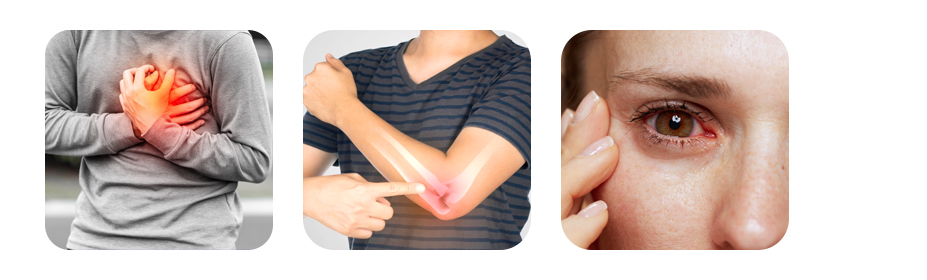
The harmful chemicals circulate through the bloodstream, affecting organs from the brain to the kidneys.
Myth 3: Occasional Smoking Is Not Harmful
Some people believe smoking only on weekends or during social events is harmless. However, even occasional smoking exposes the body to toxic substances.
Studies show that even a few cigarettes per week can increase the risk of heart disease and cancer. The body does not have a safe threshold for tobacco exposure.
Myth 4: Smoking Helps Reduce Stress
Many smokers believe cigarettes help them relax and manage stress. In reality, nicotine addiction creates a cycle of dependence.
Nicotine temporarily relieves withdrawal symptoms, which can feel like stress relief. However, smoking actually increases anxiety levels and heart rate over time. Individuals who quit smoking often report better mood stability and reduced stress levels.

Myth 5: If You Exercise, Smoking Will Not Affect Your Health
Some smokers assume that regular exercise cancels out the damage caused by smoking. While physical activity is beneficial, it cannot eliminate the harmful effects of tobacco.
Smoking reduces lung capacity, damages blood vessels, and limits oxygen delivery to muscles. Even athletes who smoke experience reduced stamina and slower recovery times.
Scientific Facts About Smoking
Understanding the facts about smoking helps individuals make informed decisions about their health.
Fact 1: Smoking Is a Leading Cause of Preventable Death
Smoking remains one of the largest preventable causes of death globally. Millions of people die each year from diseases directly linked to tobacco use.
The risk increases with the number of cigarettes smoked and the duration of smoking. However, quitting at any stage significantly improves life expectancy.
Fact 2: Secondhand Smoke Is Also Dangerous
Smoking not only harms the smoker. People exposed to secondhand smoke inhale many of the same toxic chemicals.
Secondhand smoke exposure can cause:
- Respiratory infections in children
- Increased asthma attacks
- Heart disease in adults
- Lung cancer in non-smokers

Protecting family members and coworkers from smoke exposure is a major public health priority.
Fact 3: Smoking Weakens the Immune System
The chemicals in tobacco smoke interfere with the body’s natural immune defenses. Smokers are more vulnerable to infections and illnesses.
This weakened immunity can lead to:
- Frequent respiratory infections
- Slower wound healing
- Increased risk of severe illnesses

A strong immune system is essential for long-term health, and smoking significantly compromises this protective mechanism.
Fact 4: Smoking Accelerates Skin Aging
Smoking dramatically affects the skin’s appearance and health. Tobacco smoke damages collagen and elastin fibers that maintain skin firmness.
Common skin-related effects include:
- Wrinkles and fine lines
- Uneven skin tone
- Dull complexion
- Delayed skin healing

Over time, smoking leads to premature aging, making the skin appear older than it actually is.
Fact 5: Quitting Smoking Improves Health Rapidly
The body begins to heal almost immediately after quitting smoking.
Within:
- 20 minutes – Heart rate begins to normalize
- 12 hours – Carbon monoxide levels in the blood drop
- 2 weeks to 3 months – Lung function improves
- 1 year – Risk of heart disease is reduced significantly
- 5–10 years – Risk of stroke and certain cancers decreases
These improvements highlight how powerful quitting smoking can be for overall health.
The Long-Term Health Effects of Smoking
Smoking causes both short-term and long-term health complications. Long-term tobacco use significantly increases the risk of severe chronic diseases.
Major conditions linked to smoking include:
1. Lung Cancer
Smoking is responsible for the majority of lung cancer cases. Toxic chemicals damage lung cells and trigger abnormal growth.
2. Heart Disease
Nicotine raises blood pressure and damages blood vessels, increasing the likelihood of heart attacks and strokes.
3. Chronic Lung Diseases
Conditions such as chronic bronchitis and emphysema develop due to long-term inflammation in the lungs.
4. Reduced Fertility
Smoking affects reproductive health in both men and women, often leading to fertility challenges.
5. Oral Health Problems
Tobacco use contributes to gum disease, tooth loss, and oral cancers.
Benefits of Living a Smoke-Free Life
Quitting smoking brings numerous physical and psychological benefits.
Improved Breathing
The lungs gradually recover, making breathing easier and reducing coughing.
Better Heart Health
Blood circulation improves, lowering the risk of heart disease.
Enhanced Skin Health
The skin regains a healthier glow as oxygen levels increase.
Stronger Immune System
The body becomes better equipped to fight infections.
Financial Savings
Smoking is an expensive habit. Quitting can lead to substantial long-term savings.
Practical Strategies to Quit Smoking
Quitting smoking can be challenging, but several strategies can help individuals overcome nicotine addiction.
Set a Quit Date
Choosing a clear date to stop smoking creates a strong commitment.
Identify Triggers
Recognizing situations that encourage smoking helps individuals avoid or manage them.
Seek Support
Support from family, friends, or healthcare professionals increases success rates.
Use Nicotine Replacement Therapy
Nicotine patches, gum, or lozenges may help reduce withdrawal symptoms.
Adopt Healthy Habits
Exercise, balanced nutrition, and mindfulness practices can support the quitting process.
Final Thoughts:
The evidence is clear and overwhelming: smoking is injurious to health in every possible way. It damages vital organs, increases the risk of life-threatening diseases, and reduces overall quality of life. The myths surrounding tobacco often hide the serious consequences of smoking, but scientific facts reveal the true impact.
Choosing to quit smoking is one of the most powerful steps toward a healthier future. By understanding the myths and facts about smoking, individuals can make informed decisions that protect their health and the well-being of those around them. A smoke-free life leads to better breathing, stronger immunity, healthier skin, and a longer life filled with vitality and wellness.