
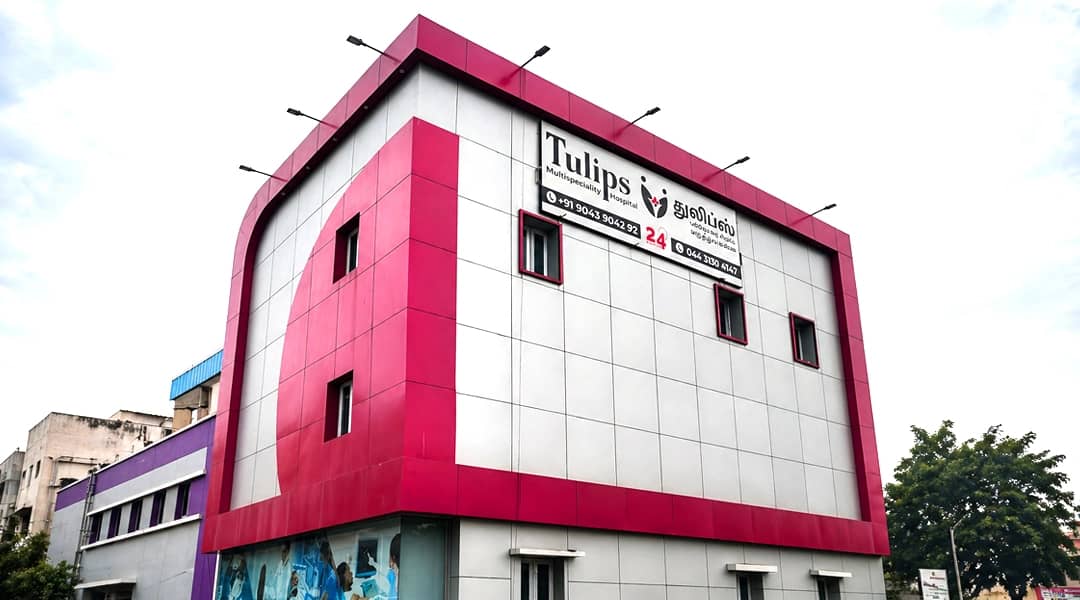

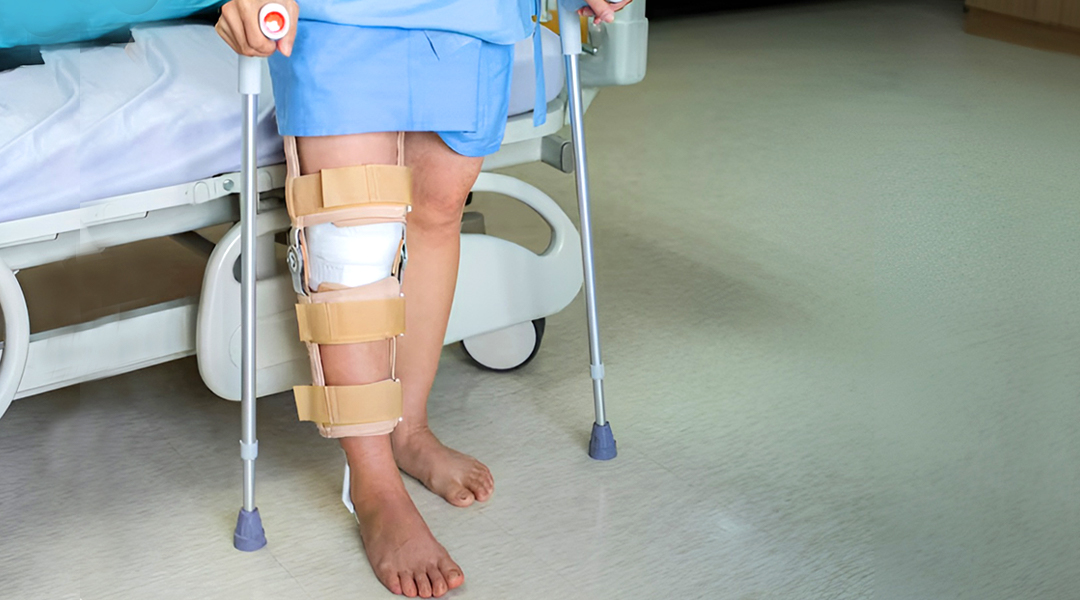
We present a detailed and authoritative account of a leg fracture recovery that highlights the effectiveness of modern orthopedic care. This article focuses on our patient, Umar, who suffered a significant leg fracture and achieved fast and successful recovery through expert treatment at Tulips Hospital, under the specialized supervision of Dr. Arun. This case reflects the hospital’s commitment to precision diagnosis, evidence-based treatment protocols, and patient-centered rehabilitation.
Leg fractures are among the most common orthopedic injuries, affecting mobility, independence, and overall quality of life. Prompt intervention, accurate assessment, and expert management play a critical role in determining recovery speed and long-term outcomes.
Understanding Leg Fractures: Clinical Perspective
A leg fracture refers to a break or crack in one or more of the bones of the lower limb, including the femur, tibia, or fibula. These injuries can result from road traffic accidents, falls, sports trauma, or high-impact activities. Depending on severity, fractures may be classified as:
- Simple (closed) fractures
- Compound (open) fractures
- Hairline or stress fractures
- Comminuted fractures
- Displaced fractures
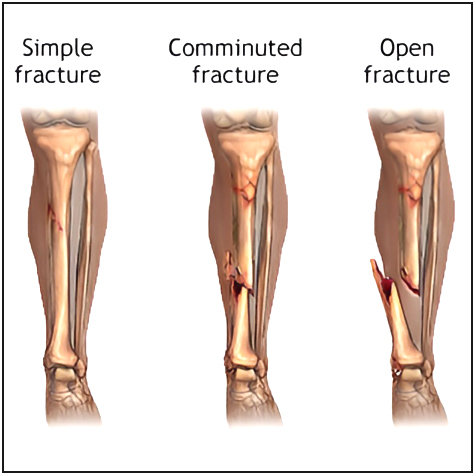
Accurate classification is essential, as it determines the treatment pathway and expected recovery timeline.
Initial Diagnosis and Clinical Assessment at Tulips Hospital
Upon admission to Tulips Hospital, Umar underwent a thorough orthopedic evaluation led by Dr. Arun, a highly experienced orthopedic specialist. The diagnostic process included:
- Detailed clinical examination
- High-resolution digital X-rays
- Advanced imaging where necessary to assess soft tissue involvement
- Pain and mobility assessment
- Evaluation of swelling, alignment, and neurovascular status
This systematic approach ensured early detection of fracture complexity, enabling immediate formulation of an optimal treatment plan.
Personalized Treatment Plan for Leg Fracture Management
At Tulips Hospital, we prioritize personalized orthopedic care. Umar’s treatment plan was designed based on fracture type, age, activity level, and overall health. The approach focused on:
- Stabilization of the fractured bone
- Pain management
- Prevention of complications
- Acceleration of bone healing
Under Dr. Arun’s supervision, evidence-based orthopedic protocols were followed meticulously to ensure rapid and safe recovery.
Advanced Orthopedic Treatment Techniques
Depending on the fracture severity, modern leg fracture treatment may involve:
Non-Surgical Management
- Immobilization using casts or braces
- Strict alignment correction
- Controlled weight-bearing protocols
- Regular radiological monitoring
Surgical Intervention
- Internal fixation using plates, screws, or rods
- Minimally invasive techniques to reduce tissue damage
- Precise anatomical alignment for faster healing
In Umar’s case, the chosen treatment ensured excellent bone stability, minimized discomfort, and supported early rehabilitation.
Role of Dr. Arun in Successful Recovery
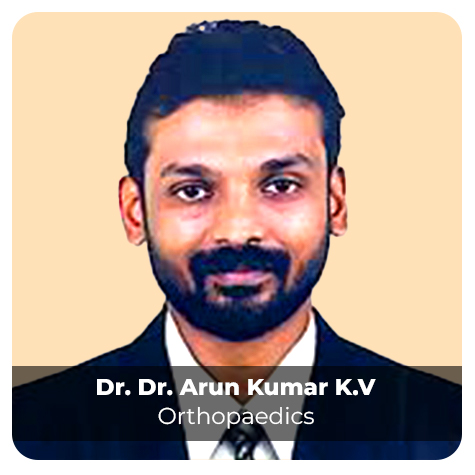
Dr. Arun’s expertise played a pivotal role in this successful leg fracture recovery. His clinical approach emphasized:
- Precision in diagnosis
- Clear communication with patient and caregivers
- Continuous monitoring of healing progress
- Adjustments in treatment based on recovery milestones
This proactive and detail-oriented care ensured optimal outcomes with reduced recovery time.
Rehabilitation and Physiotherapy for Fast Recovery
Recovery from a leg fracture does not end with bone healing. At Tulips Hospital, we implement structured rehabilitation programs that focus on restoring strength, flexibility, and mobility.
Key Rehabilitation Components
- Early-stage physiotherapy
- Muscle strengthening exercises
- Gradual weight-bearing techniques
- Balance and gait training
- Pain and stiffness management
Umar’s rehabilitation plan was tailored to promote early mobility while protecting the healing bone, contributing significantly to his fast recovery.
Nutrition and Bone Healing Support
We emphasize the importance of nutritional support in fracture recovery. Adequate intake of:
- Calcium
- Vitamin D
- Protein
- Essential minerals
helps accelerate bone regeneration and strengthens skeletal health. Umar received dietary guidance to support optimal bone healing and recovery strength.
Monitoring Progress and Preventing Complications
Throughout the recovery phase, continuous monitoring ensured early detection of potential complications such as:
- Delayed union
- Infection
- Joint stiffness
- Muscle weakness
Regular follow-ups and imaging confirmed progressive bone healing and ensured Umar’s recovery remained on track.
Outcome: Fast and Successful Leg Fracture Recovery
With expert treatment at Tulips Hospital and under the dedicated care of Dr. Arun, Umar achieved:
- Rapid pain reduction
- Stable bone healing
- Early return to daily activities
- Restored mobility and confidence
This case highlights how advanced orthopedic care, combined with personalized rehabilitation, can significantly shorten recovery time after a leg fracture.
Why Tulips Hospital Is a Trusted Center for Orthopedic Care
Tulips Hospital stands out for its commitment to excellence in orthopedic treatment. Key strengths include:
- Experienced orthopedic specialists
- State-of-the-art diagnostic facilities
- Evidence-based treatment protocols
- Comprehensive rehabilitation services
- Patient-focused care philosophy
These factors collectively contribute to high success rates in fracture management and recovery.
Conclusion
The case of Umar’s leg fracture recovery demonstrates the impact of timely diagnosis, expert medical care, and structured rehabilitation. Under the skilled supervision of Dr. Arun at Tulips Hospital, fast recovery was achieved without compromising safety or long-term function. This experience reinforces the importance of choosing specialized orthopedic care for optimal fracture healing outcomes.