




Introduction to Liver Parenchymal Disease
Let’s talk about something we often ignore until it starts causing trouble—our liver. Liver parenchymal disease is a broad term used to describe damage or changes in the liver’s functional tissue, known as the parenchyma. Think of the liver like a factory, and the parenchyma as the workers. When these workers are damaged, the entire factory slows down or even shuts down.
This condition is more common than many people realize and can range from mild and reversible to severe and life-threatening if left untreated.
Understanding the Liver Parenchyma
What Is Liver Parenchyma?
The liver parenchyma refers to the main functional cells of the liver, primarily hepatocytes. These cells perform vital tasks such as detoxifying harmful substances, producing bile, metabolizing nutrients, and storing energy.

Role of Parenchyma in Liver Function
Without healthy parenchyma, the liver simply can’t do its job. From filtering your blood to helping digest fats, these cells work around the clock. Damage to them disrupts normal liver function and leads to liver parenchymal disease.
Types of Liver Parenchymal Disease
Diffuse Liver Parenchymal Disease
Diffuse disease affects the entire liver tissue. Common examples include fatty liver disease, hepatitis, and cirrhosis. Imaging reports often mention “coarse” or “heterogeneous” liver parenchyma in such cases.
Focal Liver Parenchymal Disease
Focal disease affects specific areas of the liver. This may include cysts, tumors, or localized infections. These are usually detected during imaging tests done for other reasons.
Common Causes of Liver Parenchymal Disease
Alcohol-Related Liver Damage
Excessive alcohol intake is one of the leading causes. Alcohol directly damages liver cells, leading to inflammation, fatty changes, and eventually scarring.
Viral Hepatitis
Hepatitis B and C infections cause chronic inflammation of the liver parenchyma. Over time, this can result in fibrosis and cirrhosis.
Fatty Liver Disease
Non-alcoholic fatty liver disease (NAFLD) occurs due to fat accumulation in liver cells. It’s closely linked to obesity, diabetes, and sedentary lifestyles.
Autoimmune and Genetic Causes
Conditions like autoimmune hepatitis or genetic disorders such as hemochromatosis can also damage liver parenchyma over time.
Risk Factors You Should Know
Certain factors increase your risk, including:
- Heavy alcohol consumption
- Obesity
- Diabetes
- High cholesterol
- Viral infections
- Long-term medication use

Knowing these risk factors is like seeing warning signs on the road—it gives you a chance to slow down and change direction.
Early Signs and Symptoms
Mild and Early Symptoms
In the early stages, symptoms may be subtle:
- Fatigue
- Loss of appetite
- Mild abdominal discomfort
- Nausea
These are often brushed off, which is why early diagnosis is tricky

Advanced Symptoms
As the disease progresses, symptoms become more noticeable:
- Jaundice (yellowing of skin and eyes)
- Swelling in the abdomen or legs
- Dark urine
- Confusion or memory problems
At this point, medical attention is crucial.
How Liver Parenchymal Disease Is Diagnosed
Blood Tests
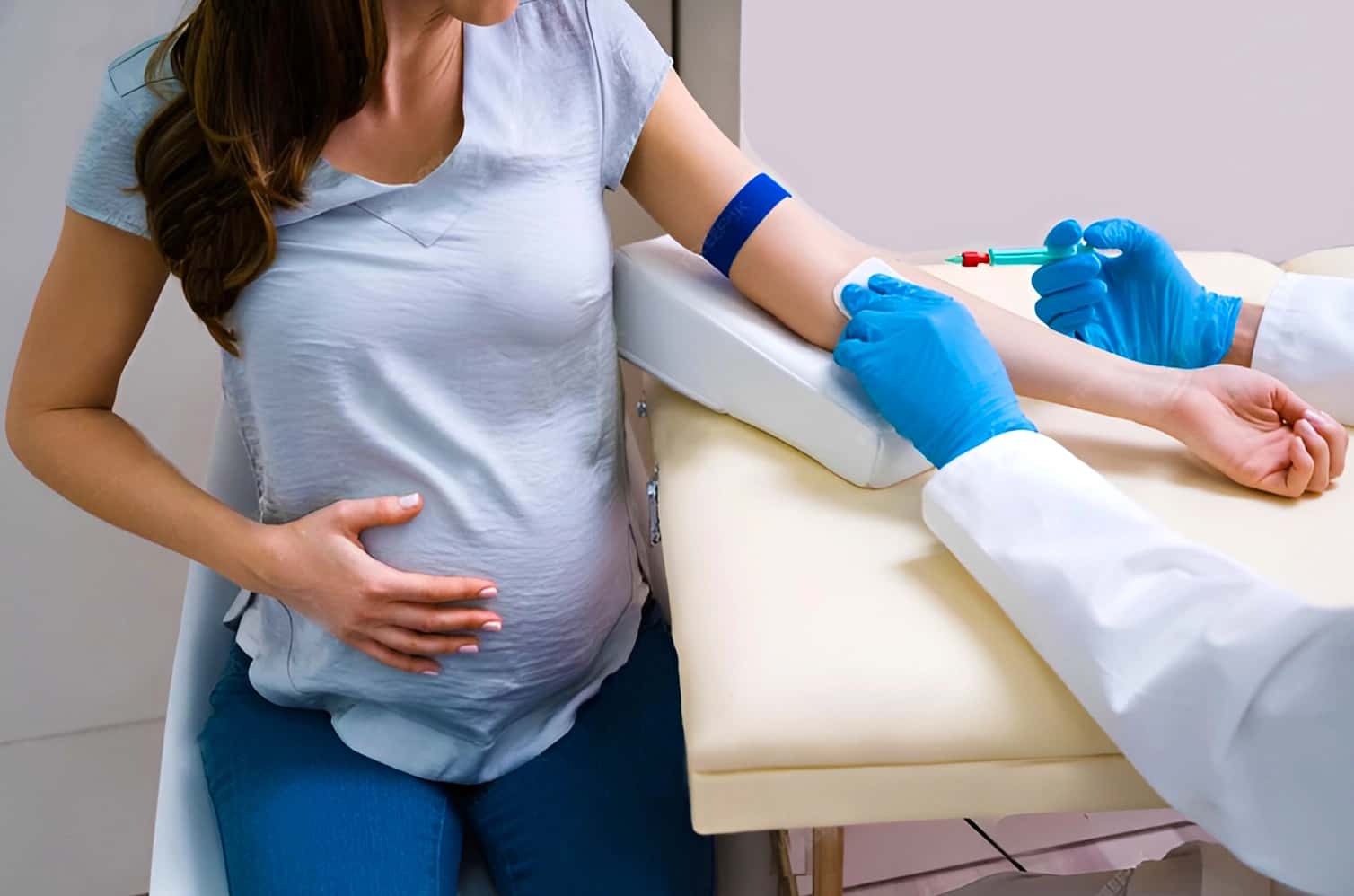
Liver function tests help assess enzyme levels and detect inflammation or damage.
Imaging Tests
Ultrasound
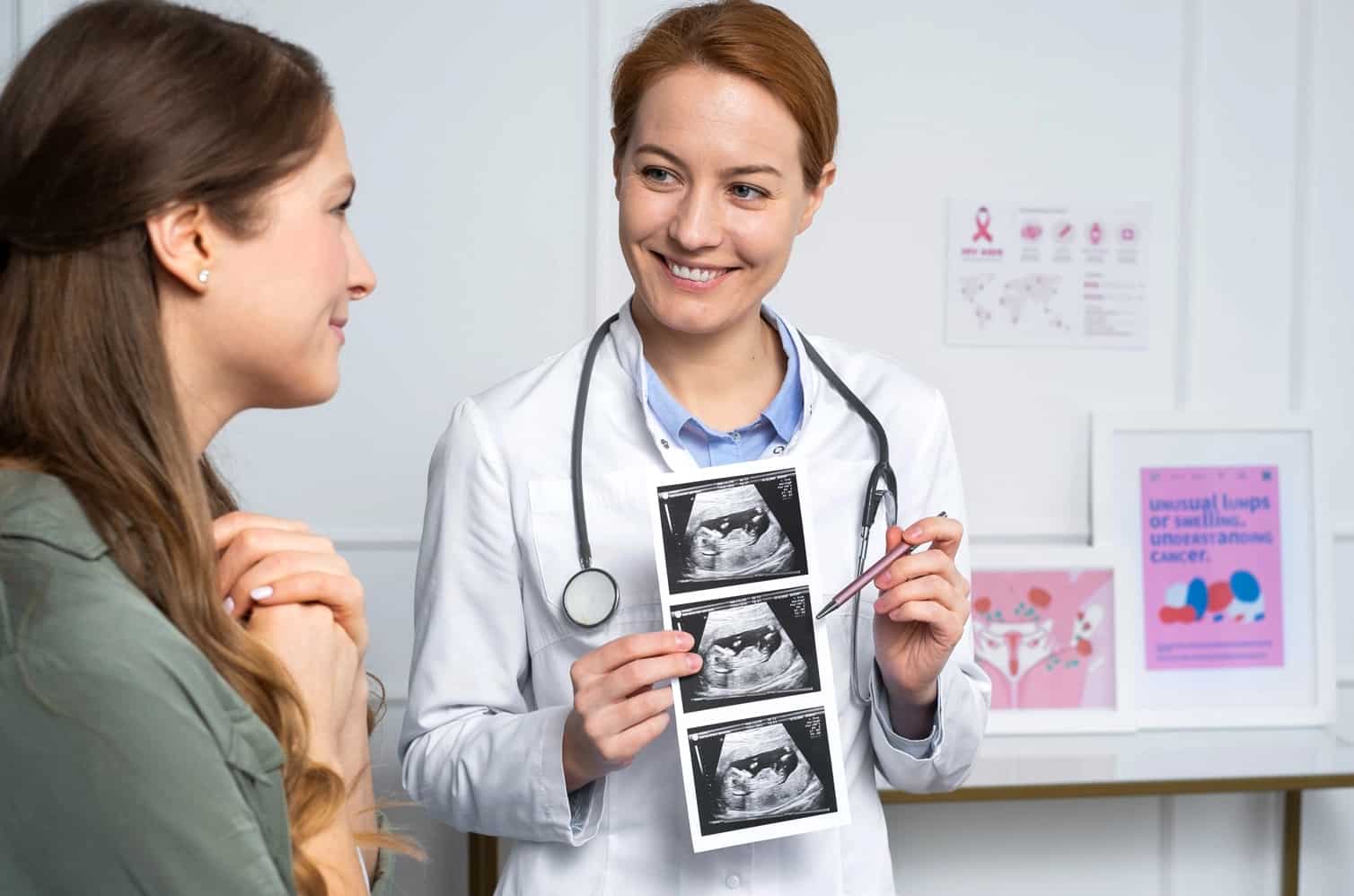
Ultrasound is often the first step. It can show changes in liver texture, size, and fat content.
CT Scan
CT scans provide detailed images and help detect tumors or structural changes.
MRI
MRI offers high-resolution images and is useful for evaluating complex liver conditions.
Liver Biopsy
In some cases, a small tissue sample is taken to confirm the diagnosis and assess disease severity.
Stages of Liver Parenchymal Disease
The disease often progresses through stages:
- Inflammation
- Fibrosis
- Cirrhosis
- Liver failure
Early stages are often reversible, while later stages require intensive management.
Complications of Untreated Liver Parenchymal Disease
Ignoring the condition can lead to serious complications like:
- Cirrhosis
- Portal hypertension
- Liver cancer
- Liver failure
This is why timely diagnosis and treatment matter so much.
Treatment Options
Lifestyle Changes
The foundation of treatment includes:
- Quitting alcohol
- Losing excess weight
- Regular exercise
Small changes can make a big difference.
Medications
Doctors may prescribe antiviral drugs, immune-suppressing medications, or drugs to control symptoms.
Advanced Medical Procedures
In severe cases, procedures like liver transplantation may be necessary.
Diet and Nutrition for Liver Health
A liver-friendly diet includes:
- Fresh fruits and vegetables
- Whole grains
- Lean protein
- Reduced sugar and fried foods
Think of food as fuel—clean fuel keeps the engine running smoothly.
Prevention Tips
- Limit alcohol intake
- Maintain a healthy weight
- Get vaccinated for hepatitis
- Avoid unnecessary medications
- Go for regular health checkups
Prevention is always easier than cure.
Living with Liver Parenchymal Disease
Living with this condition means staying informed, following medical advice, and making healthier lifestyle choices. With proper care, many people lead normal, fulfilling lives.
When to See a Doctor
If you notice persistent fatigue, jaundice (yellowing of the skin or eyes), abdominal swelling, dark urine, or abnormal liver blood test results, do not delay seeking medical care. Early diagnosis and timely treatment can prevent liver parenchymal disease from progressing into serious complications.
At Tulips Multispeciality Hospital, the General Medicine Department provides comprehensive evaluation and care for liver-related conditions. Experienced physicians assess symptoms thoroughly, perform essential diagnostic tests, and guide patients toward the right treatment plan.
Related blog : https://tulipshospitals.com/best-multispeciality-hospitals-chennai/
One of the senior specialists, Dr. Prabhu E, a highly experienced General Medicine and Internal Medicine physician, plays a key role in diagnosing and managing chronic liver conditions along with related metabolic disorders such as diabetes and hypertension. His holistic approach ensures that liver health is evaluated in connection with overall body health.
Consulting an experienced general physician at the right time helps in early detection, proper monitoring, and long-term management of liver parenchymal disease, improving both recovery and quality of life.
For appointment booking, please visit: https://tulipshospitals.com/appointment/
Conclusion
Liver parenchymal disease may sound complex, but understanding it is the first step toward managing it effectively. From lifestyle changes to medical treatments, early action can protect your liver and overall health. Treat your liver well—it works tirelessly for you every single day.
FAQs
1. Is liver parenchymal disease reversible?
Yes, early stages are often reversible with proper treatment and lifestyle changes.
2. Is fatty liver a type of parenchymal disease?
Yes, fatty liver disease directly affects the liver parenchyma.
3. Can liver parenchymal disease be detected on ultrasound?
Yes, ultrasound commonly detects changes in liver texture and structure.
4. Is liver parenchymal disease serious?
It can be serious if untreated, especially in advanced stages.
5. How long can someone live with liver parenchymal disease?
With early diagnosis and proper care, many people live long, healthy lives.