









Appendicitis is a painful and serious condition that can come without warning. Many people wonder whether the foods they eat can cause appendicitis. Food alone does not cause appendicitis. However, some foods and eating habits can raise the risk of appendix blockage, irritation, or inflammation in the appendix.
This article explains which food can cause appendicitis. It also offers tips for making healthier choices.
What Is Appendicitis and How Does Food Affect It?
The appendix is a small, tube-like organ located on the lower right side of your abdomen. Appendicitis occurs when something blocks or infects the appendix. This blockage may occur because of:
- Hard stool
- Undigested food particles
- Swelling due to infection
- Build-up of mucus
- Inflammation of nearby tissue
When the appendix gets blocked, bacteria multiply inside it, causing pain and swelling. If not treated, it can burst and become life-threatening.
No food directly causes appendicitis. However, some diets can slow digestion, cause constipation, or lead to stool build-up. These issues can increase the chance of blockage.
Diets that may raise the risk usually include:
- Low-fiber foods
- Highly processed foods
- Foods that slow digestion or cause constipation
- High-fat and oily foods
Understanding these foods can help reduce the chances of appendix-related problems.
Low-Fiber Foods That May Increase the Risk of Appendicitis
Fiber is important for smooth digestion. It helps stool move easily through the intestines. When your diet is low in fiber, your stool can become hard, dry, and difficult to pass. This can form a fecalith (a hard lump of stool), which is one of the most common reasons the appendix gets blocked.
Below are foods low in fiber that may raise the risk.
1. Processed and Refined Grains
Refined grains are foods where the fiber-rich outer layer is removed. These foods digest quickly but leave very little bulk, leading to constipation.
Examples include:
- White rice
- White bread
- Pastries made with refined flour
- Instant noodles
- Processed breakfast cereals

These foods provide very little nutrition and almost no fiber. Eating them regularly can slow down digestion, increase stool hardness, and possibly raise the chance of appendix blockage.
2. Fast Foods and Deep-Fried Items
Fast foods are high in fat, oil, and refined carbohydrates. These foods take longer to digest and reduce bowel movement speed.
Common examples:
- French fries
- Fried chicken
- Nuggets and cutlets
- Deep-fried snacks
- Chips
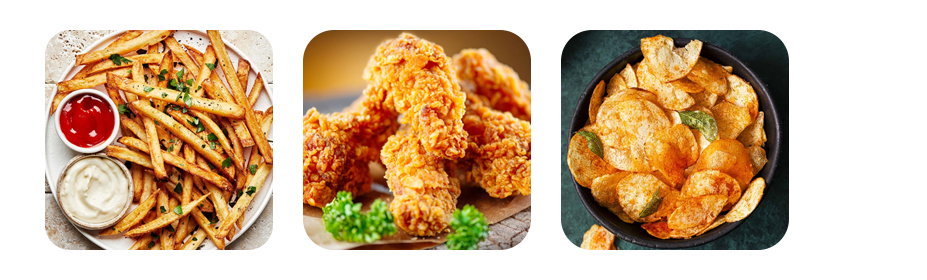
Such foods may not only slow digestion but also increase inflammation in the gut, leading to stomach discomfort and digestive issues that may put extra stress on the appendix.
3. Too Much Dairy
Dairy is not harmful for everyone. But people who are lactose intolerant may experience gas, bloating, and constipation after consuming dairy.
Examples:
- Cheese-heavy dishes
- Pizza
- Large amounts of full-fat milk
- Ice creams

Constipation caused by dairy may increase pressure in the digestive system and raise the risk of appendix blockage.
Foods That May Cause Blockage or Inflammation
Some foods can leave behind particles that are harder for the digestive system to handle. These foods may rarely lodge in the appendix and cause irritation.
1. Seeds and Hard-to-Digest Bits
Most seeds are safe, but very small, hard seeds can sometimes get stuck during digestion, especially when eaten in large amounts.
Examples include:
- Guava seeds
- Pomegranate seeds
- Popcorn kernels
- Sunflower seeds
- Pumpkin seeds

This is not common, but it is a known possibility. People who already have weak digestion should be extra careful.
2. Spicy and Greasy Foods
Spicy foods do not cause appendicitis directly, but they can irritate the stomach lining. Greasy foods can upset digestion and cause inflammation.
Examples:
- Oily or heavy curries
- Spicy street food
- Chili-heavy dishes
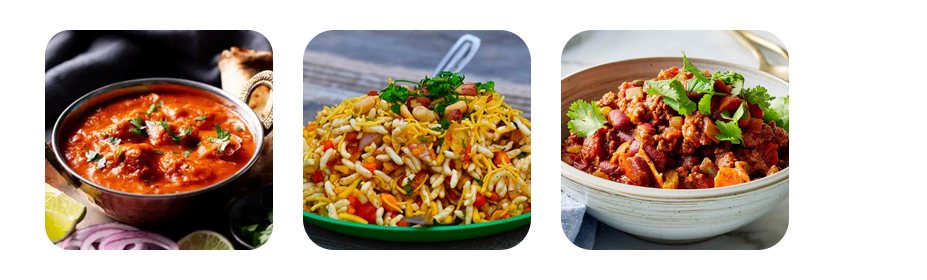
When the digestive system becomes inflamed or irritated, the risk of digestive problems increases, which may indirectly affect the appendix.
3. Red Meat and Fatty Animal Foods
Red meat takes longer to digest and can lead to constipation when eaten too often. It also increases inflammation.
Examples:
- Mutton
- Beef
- Pork
- Sausages
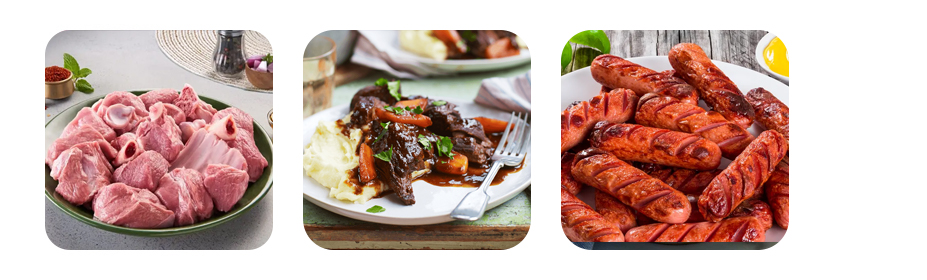
Diets high in red meat are often low in fiber, which further raises the risk of digestive blockages.
Foods That Can Upset Digestion and Increase Risk
Some foods disrupt gut bacteria, slow digestion, or produce heavy stool. All these conditions may increase appendicitis risk.
1. Foods With Artificial Additives and Preservatives
Packaged foods often contain chemicals that may disturb digestion.
Examples:
- Packaged snacks
- Canned foods
- Ready-to-eat meals
- Instant soups
- Processed meats
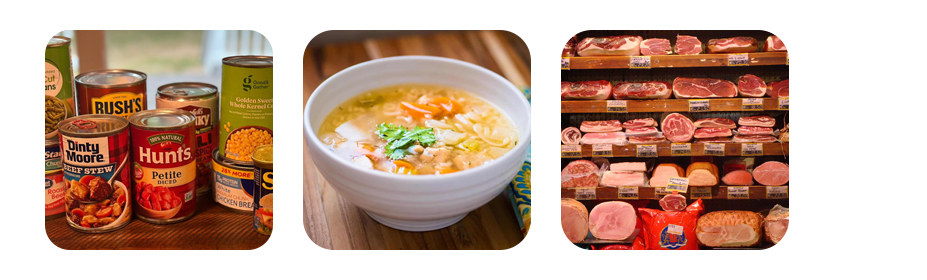
These foods can upset the balance of good bacteria in the gut, leading to constipation or inflammation.
2. Starchy Foods Without Enough Water
Starchy foods can become thick and dry in the stomach, especially when there isn’t enough water.
Examples:
- Too many potatoes
- Maida-based snacks
- Pasta without vegetables
- Dry bakery items
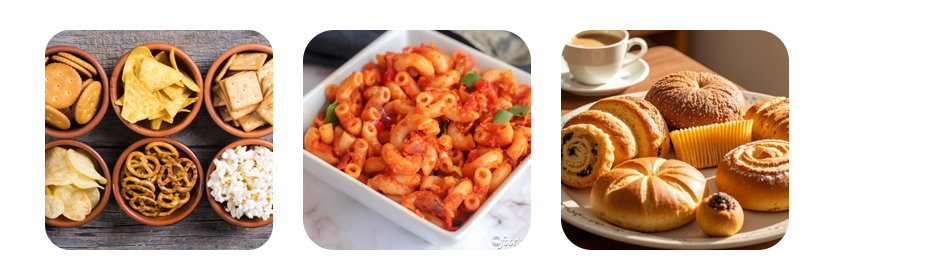
When these foods are not eaten with enough fiber or water, they can harden inside the digestive system, forming large stool lumps.
3. Sugary Foods
Excess sugar can harm gut health and increase inflammation.
Examples:
- Pastries
- Cakes
- Chocolates
- Sugary drinks
- Sweets
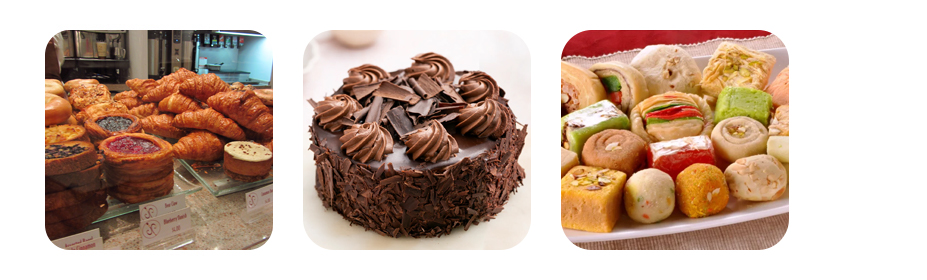
These foods may slow digestion and cause bloating or gas, which can worsen digestive problems.
Foods That Help Reduce the Risk of Appendicitis
A healthy, fiber-rich diet improves bowel movement and prevents stool from hardening. This lowers the chances of appendix blockage.
Good Foods to Include Daily
Here are healthy foods that support good digestion:
- Whole grains: brown rice, millet, quinoa, oats
- Leafy vegetables: spinach, fenugreek, kale
- Soft fruits: papaya, banana, peeled apple, pears
- Legumes: lentils, beans, chickpeas
- Sprouts: moong sprouts, alfalfa sprouts
- Vegetables rich in fiber: carrots, beans, broccoli
These foods keep the digestive system moving smoothly and prevent constipation.
Healthy Habits That Reduce Appendicitis Risk
Along with eating the right foods, the following habits also help reduce the chances of appendix problems:
- Drink 2–3 liters of water every day
- Do not skip meals or stay hungry for long hours
- Eat probiotics like curd and buttermilk
- Avoid eating too much junk food
- Stay active and walk regularly
- Add fiber slowly into your diet if you are not used to it

Good habits help your digestive system stay strong and reduce inflammation.
Symptoms of Appendicitis to Watch
If you notice any of these symptoms, seek medical help immediately:
- Pain that starts near the belly button and moves to the lower right side
- Fever
- Loss of appetite
- Vomiting
- Constipation or diarrhea
- Bloating
- Sudden, sharp abdominal pain
- Pain that increases with movement, coughing, or pressing the area

Appendicitis is a medical emergency, and quick treatment is very important.
Conclusion:
While food alone does not directly cause appendicitis, certain eating habits can increase the risk by slowing digestion, causing constipation, or irritating the gut. Eating a fiber-rich diet, drinking plenty of water, and reducing processed, oily, and hard-to-digest foods can help keep your appendix healthy. If you experience any strong or shifting pain in your abdomen, always get medical help immediately.
For safe, reliable, and expert appendicitis treatment, Tulips Hospital is a trusted place to receive timely care, accurate diagnosis, and advanced treatment options. Seeking help at the right time can prevent serious complications and ensure a faster recovery
FAQ
1. Can food directly cause appendicitis?
No. Food does not directly cause appendicitis. However, low-fiber and hard-to-digest foods can lead to constipation or blockage, which may increase the risk.
2. Are seeds like guava or popcorn harmful for the appendix?
Seeds rarely cause appendicitis, but sometimes hard particles can get stuck in the appendix. Eating seeds in moderation is generally safe.
3. Does spicy or oily food trigger appendicitis?
Spicy and oily foods do not cause appendicitis. However, they can irritate the digestive system. This irritation may worsen inflammation or stomach discomfort.