










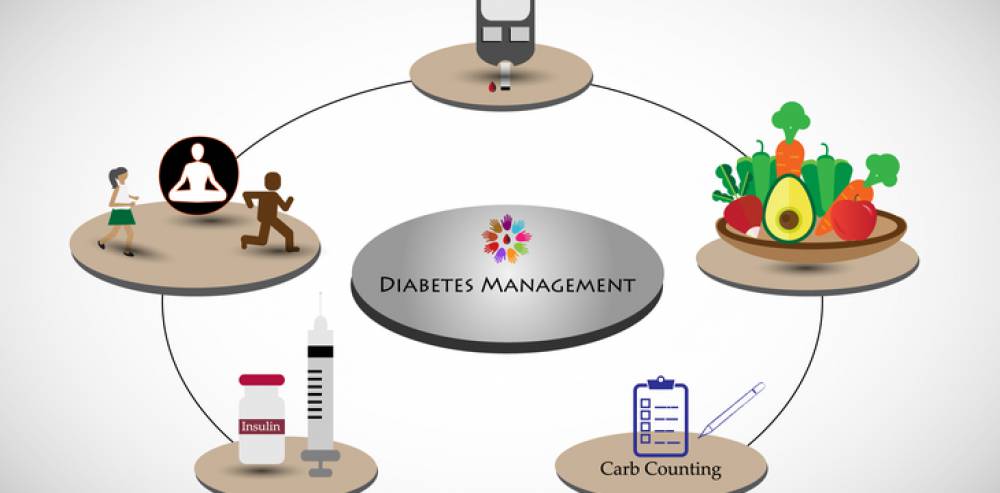
Managing diabetes effectively is crucial for leading a healthy and fulfilling life. With the right strategies and a proactive approach, individuals with diabetes can control their condition, prevent complications, and enjoy an active lifestyle. Here’s how you can manage diabetes for optimal health and well-being.
Maintaining good health is a priority for many, yet in the hustle and bustle of daily life, it’s easy to overlook one of the most effective ways to ensure long-term well-being: regular health checkups.
1. Monitoring Blood Sugar Levels:
Regular monitoring of blood sugar levels is fundamental in diabetes management. Keeping track of your glucose levels helps you understand the impact of different foods, activities, and medications. Most individuals use a blood glucose meter for daily checks, while others might use a continuous glucose monitor (CGM) for real-time insights. Consistent monitoring enables you to make informed decisions about your health.
2. Nutrition and Diet:
A balanced diet is essential for managing diabetes. Focus on nutrient-dense foods that help regulate blood sugar levels. Key dietary tips include:
- Choose Complex Carbohydrates:Opt for whole grains, legumes, and vegetables instead of refined carbohydrates.
- Increase Fiber Intake:Fiber-rich foods like fruits, vegetables, and whole grains can help control blood sugar levels.
- Select Lean Proteins:Incorporate lean proteins such as fish, chicken, tofu, and legumes.
- Healthy Fats:Include sources of healthy fats like avocados, nuts, seeds, and olive oil, while avoiding trans fats and limiting saturated fats.
Portion control and regular meal timing are also critical. Eating smaller, more frequent meals can help maintain stable blood sugar levels throughout the day.
3. Physical Activity:
Regular physical activity is a cornerstone of diabetes management. Exercise helps improve insulin sensitivity, lower blood sugar levels, and enhance overall health. Aim for at least 150 minutes of moderate-intensity aerobic activity per week, such as brisk walking, cycling, or swimming. Additionally, include strength training exercises to build muscle, which can improve blood sugar control.
Before starting any new exercise program, consult your healthcare provider to ensure it’s safe and appropriate for your condition.
4. Medication Adherence:
Many people with diabetes require medication to manage their condition effectively. Whether it’s insulin or oral medications, it’s essential to take your medications as prescribed by your healthcare provider. Skipping doses or not following your treatment plan can lead to uncontrolled blood levels and increase the risk of complications.
5. Routine Medical Checkups:
Regular checkups with your healthcare provider are vital for monitoring your diabetes and detecting any potential complications early. These visits allow for adjustments to your treatment plan and provide an opportunity to discuss any concerns. Essential exams include eye exams, foot checks, and screenings for kidney function and cardiovascular health.
Understanding your condition and how different factors affect it will empower you to make better decisions about your health.